
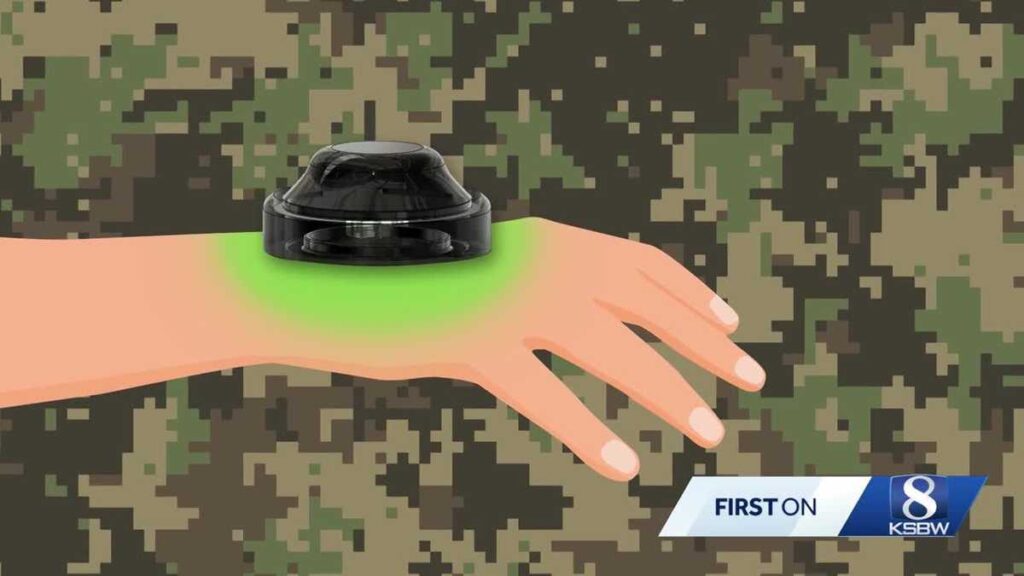
Researchers from UC Santa Cruz and UC Davis have developed A-Heal, a wearable device that accelerates wound healing by 25% using bioelectronics and artificial intelligence. The device functions by translating the actions of a human physician into an automated process, assessing and treating wounds similarly to how a doctor would.”The way to think about it is, if a physician were to treat the wound, they would look at the wound periodically when they change the bandage maybe every two to three days,” the researchers explained. “They visually assess the wound. Sometimes they do further analysis. Then with their knowledge, they decide which treatment needs to be done to the wound.”A-Heal automates this process by using imaging and machine learning to analyze the wound, delivering treatment through bioelectronics. The technology was initially funded by the Department of Defense to help soldiers and civilians injured on the battlefield heal faster, but researchers now see broader applications for the device.”Where I think this device can really make a difference is on those wounds that are hard to heal,” the researchers said. “For example, if a wound gets infected or on a patient with diabetes. Those are the wounds that require more adaptive treatment.”Increasing physician reach and efficiency means that perhaps a physician can treat a hundred patients instead of one, and extend their treatment radius significantly. While A-Heal does not replace doctors, it serves as a tool to enhance their efficiency, ultimately benefiting patients.
Researchers from UC Santa Cruz and UC Davis have developed A-Heal, a wearable device that accelerates wound healing by 25% using bioelectronics and artificial intelligence. The device functions by translating the actions of a human physician into an automated process, assessing and treating wounds similarly to how a doctor would.
“The way to think about it is, if a physician were to treat the wound, they would look at the wound periodically when they change the bandage maybe every two to three days,” the researchers explained. “They visually assess the wound. Sometimes they do further analysis. Then with their knowledge, they decide which treatment needs to be done to the wound.”
A-Heal automates this process by using imaging and machine learning to analyze the wound, delivering treatment through bioelectronics. The technology was initially funded by the Department of Defense to help soldiers and civilians injured on the battlefield heal faster, but researchers now see broader applications for the device.
“Where I think this device can really make a difference is on those wounds that are hard to heal,” the researchers said. “For example, if a wound gets infected or on a patient with diabetes. Those are the wounds that require more adaptive treatment.”
Increasing physician reach and efficiency means that perhaps a physician can treat a hundred patients instead of one, and extend their treatment radius significantly. While A-Heal does not replace doctors, it serves as a tool to enhance their efficiency, ultimately benefiting patients.