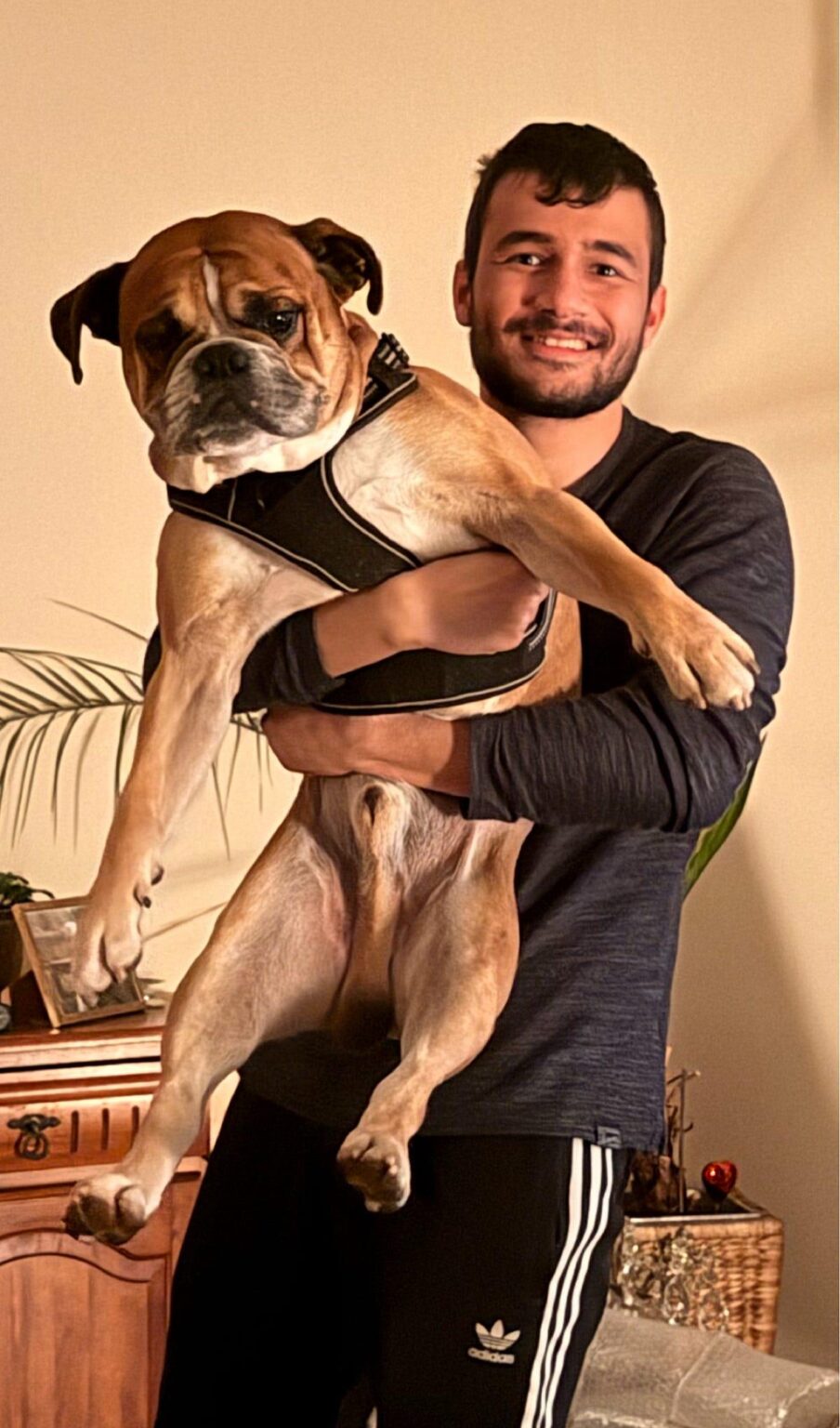
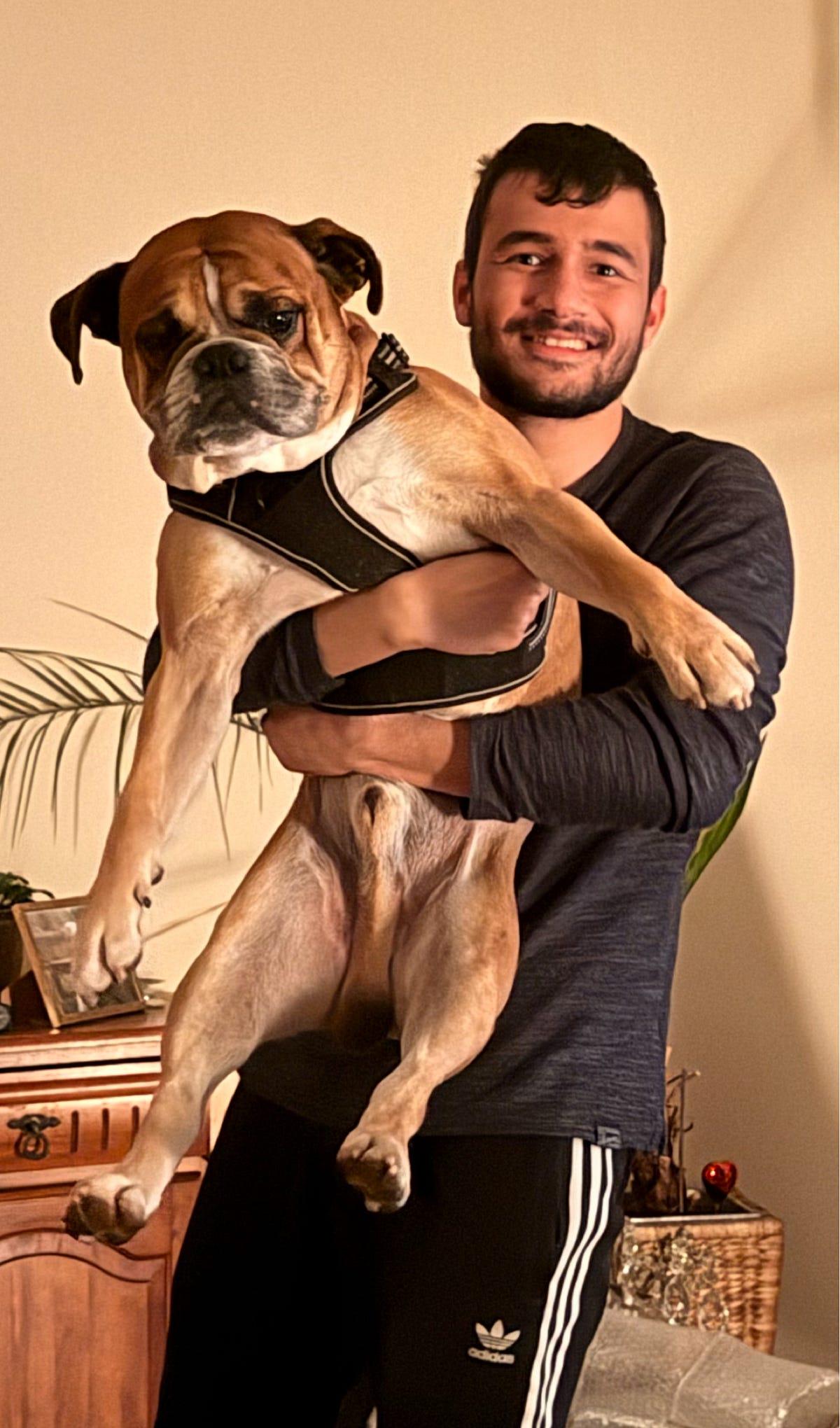
I wrote this piece after an accidental N=1 “experiment” on my dog: when I gave him human probiotics, his smell, energy level, food preferences and even how he interacted with us seemed to change for weeks, then gradually reverted when I stopped. I’m not claiming proof or giving medical advice here – just using this anecdote as a jumping-off point.
As microbiome research and engineered probiotics advance, we may gain the ability to deliberately shift mood, behavior and maybe even aspects of “personality” in humans and animals. That raises future-focused questions: How far could microbiome editing go? Could it become a tool for treating mental health issues, addiction or age-related decline? At what point would such interventions start to feel like identity modification rather than healthcare? And what kind of ethical and regulatory framework should we have in place before powerful microbiome tools become cheap and widely available?

1 Comment
I wrote this piece after an accidental N=1 “experiment” on my dog: when I gave him human probiotics, his smell, energy level, food preferences and even how he interacted with us seemed to change for weeks, then gradually reverted when I stopped. I’m not claiming proof or giving medical advice here – just using this anecdote as a jumping-off point.
As microbiome research and engineered probiotics advance, we may gain the ability to deliberately shift mood, behavior and maybe even aspects of “personality” in humans and animals. That raises future-focused questions: How far could microbiome editing go? Could it become a tool for treating mental health issues, addiction or age-related decline? At what point would such interventions start to feel like identity modification rather than healthcare? And what kind of ethical and regulatory framework should we have in place before powerful microbiome tools become cheap and widely available?