 Photo: Sea Punks/Facebook.
Home affairs minister Byron Camilleri has declared victory in the government’s handling of irregular migration, announcing that the country is no longer classified amongst Mediterranean states under pressure by the European Union.
The European Union’s decision not to classify Malta as a country under pressure may reflect decreased arrival numbers, but it says nothing about the methods used to achieve them.
Indeed, behind the triumphant statistics lies a damning record of illegal pushbacks, deadly non-assistance at sea, and what human rights organisations describe as systematic violations of international law.
Camilleri’s statement, released on Saturday, points to a 93% reduction in irregular arrivals over five years, comparing 2024 figures with those from 2019.
He attributes this dramatic decline to what he characterises as a “tough policy towards those who abuse the system and compassionate towards those who need help,” claiming Malta now boasts “amongst the highest return rates to third countries,” approaching 80%.
“This has led to us today being not only an example to other countries but also not being considered as a country that in this regard needs help,” Camilleri declared, describing the establishment of a returns unit within his ministry as pivotal in “changing the route, for the positive.”
Yet this narrative of successful migration management crumbles under scrutiny. According to the Malta Migration Archive, between 2020 and 2024, Malta rescued only 2 to 3 per cent of nearly 80,000 people in distress within its search and rescue zone. During this period, rescues by the Armed Forces of Malta decreased by 90%, whilst interceptions by Libyan forces, operating with Maltese coordination, increased by 230%.
The human cost of this “success” is staggering. Between 2020 and 2024, more than 5,000 people were repatriated to Libya from areas under Maltese responsibility, with international reports indicating many ended up in detention centres where murder, torture, rape and exploitation are documented.
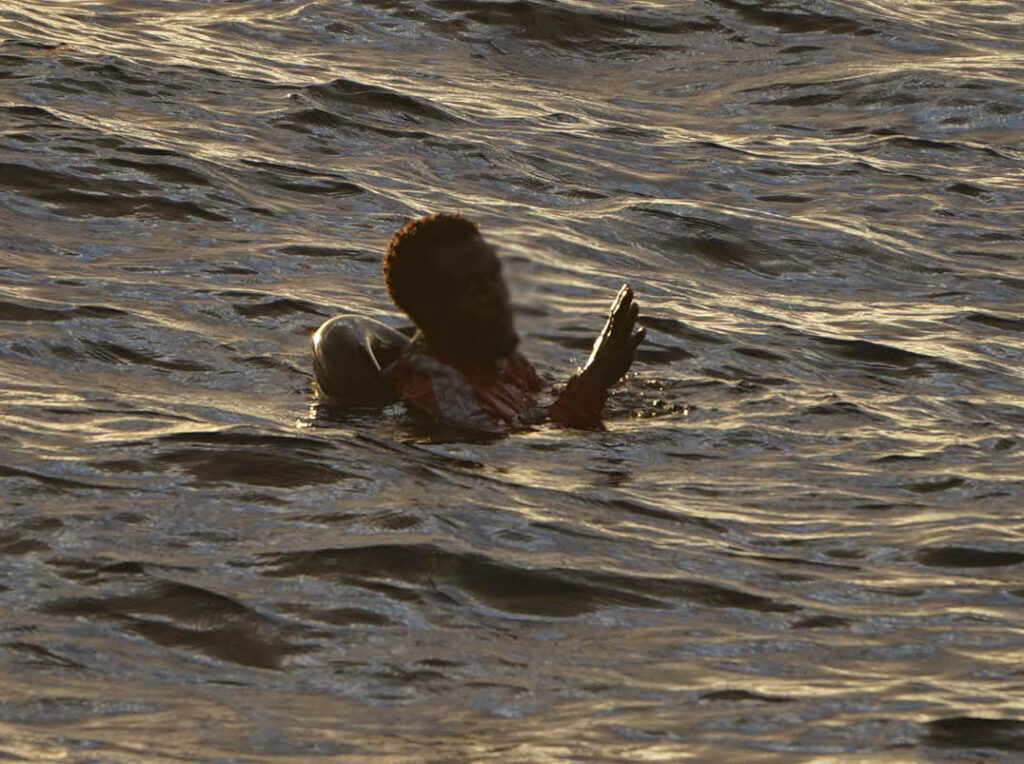
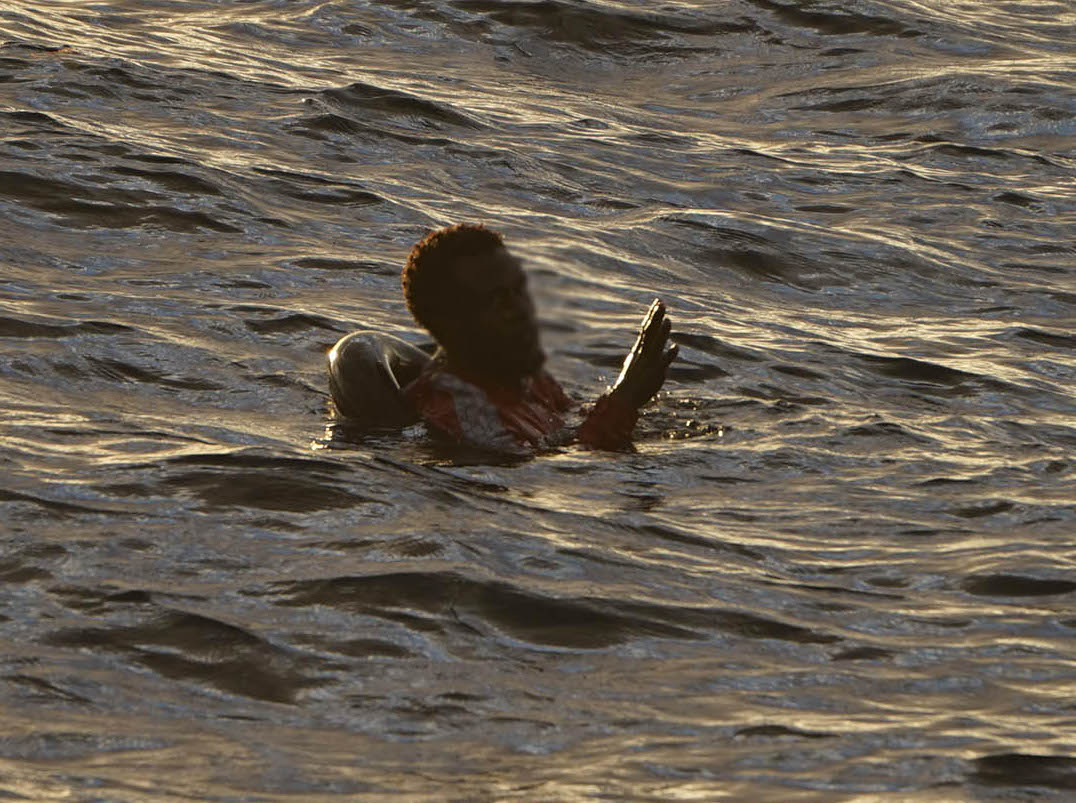
During the same period, 1,700 people died at sea whilst more than 21,000 were forced back to Libya, compared to around 12,000 rescued by NGO ships and civil initiatives.
The United Nations reports that 1,093 people have died or gone missing in the central Mediterranean so far this year whilst attempting to reach Malta or other European countries.

Malta’s maritime coordination agreement with Libya, announced in 2020 shortly after Camilleri assumed office, has been the subject of withering international criticism. Human rights organisations including Amnesty International, Sea-Watch, and Human Rights Watch accuse Malta of illegal pushbacks and refoulement, forcibly returning migrants to a country that has not signed the 1951 Refugee Convention and where no safe ports exist.
Critics describe Malta’s collaboration with the so-called Libyan coastguard as outsourcing border control to avoid international obligations to militias. By providing financial, logistical, and material support including speedboats to Libyan security actors, Malta stands accused of actively contributing to systematic human rights violations.
The Libyan militias operating as coastguard forces have faced sustained criticism from human rights organisations. In November 2022, the European Centre for Constitutional and Human Rights called on the International Criminal Court to investigate their activities, citing evidence that migrants forcibly returned to Libyan detention centres “are subjected to grave human rights abuses.”
An Italian court ruled in June 2024 that interceptions by the Libyan coastguard cannot legally qualify as rescue operations due to the groups being armed and having used gunshots to intimidate migrants and civil society actors. Dramatic footage from 2021 showed a Libyan coastguard vessel opening fire on a migrant boat and ramming it repeatedly.
Despite these concerns, prime minister Robert Abela announced in July 2024 the extension of Malta’s controversial immigration agreement with Libya for another three years, praising its effectiveness in reducing arrivals. The agreement’s details remain largely secret, though Abela claimed it has “meant saving the lives of thousands of people including women and children.”
In 2022, the European Centre for Constitutional and Human Rights and Sea-Watch filed a communication with the International Criminal Court prosecutor, accusing high-ranking Maltese officials including prime minister Robert Abela of potential crimes against humanity for their individual criminal responsibility in coordinating unlawful pushbacks to Libya.
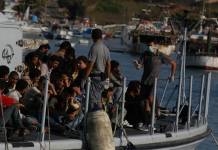
Domestically, Camilleri’s tenure has been marked by a similarly hawkish approach characterised by highly publicised police raids involving racial profiling and arbitrary arrests. The timing of these operations frequently coincides with political pressure, leading critics to describe them as calculated public relations exercises designed to appeal to anti-immigrant sentiment.
High-profile cases underscore these concerns. Last year, an Ivorian man, Kusi Dismark, was detained and deported after 13 years in Malta.
Moreover, three Ethiopian men who had lived in Malta for 18 years were deported in 2025, described by opposition MP Albert Buttigieg as “fully integrated, tax-paying, law-abiding citizens” used as scapegoats to appease public concerns about overpopulation.
More recently, LGBT activist Angoua Abdu released only after intervention by the Malta Gay Rights Movement during Pride Week.
Enforcement actions, often accompanied by police photographs of handcuffed individuals, represent theatrical displays that criminalise vulnerable people whilst leaving employers and landlords who profit from exploitation untouched.
Camilleri’s framing of decreased arrivals as policy success ignores a fundamental question: at what human cost has Malta achieved its statistics? When the minister speaks of “changing the route, for the positive,” he omits mention of the 1,700 corpses that litter that route, or the thousands returned to Libyan torture chambers.