
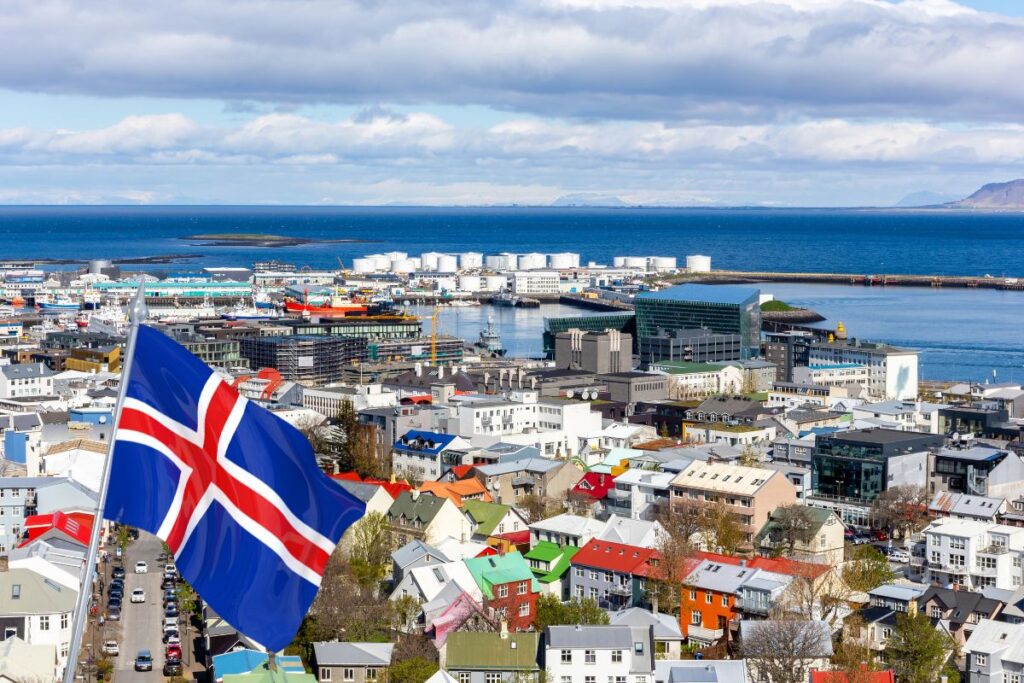
The quiet revolution that reshaped Icelandic work culture began with a simple wager: fewer hours, same pay. Five years on, the results look less like a daring gamble and more like a blueprint for the future. For nearly 90% of the workforce, weekly hours now hover around 35–36, achieved through collective agreements rather than a single sweeping law. What began as an experiment has matured into a durable norm, and the outcomes echo a belief many Gen Z workers have voiced for years: less time can mean better work.
What the Icelandic shift actually changed
The four-day week in Iceland was never a rigid template; it was a flexible framework. Many employees reduced total hours, while others condensed their schedules into fewer days. The reduction did not come with wage cuts, and that detail proved decisive. Unions negotiated sector by sector, building consent and confidence. That process turned a bold idea into a resilient practice, adaptable to different roles and industries.
Fears of collapsing productivity did not materialize. Independent analyses, including work reviewed by Autonomy, found stable or improved output. Teams reported fewer bottlenecks, faster decisions, and tighter focus. When the week compresses, unnecessary meetings shrink, task ownership clarifies, and time-wasting habits become harder to justify.
“Shorter hours sharpen focus, not the other way around.”
Why well-being drives performance
The biggest shift happened in the daily rhythm of life. With fewer hours, stress fell, burnout receded, and families gained back essential time. Workers reported easier school pickups, more exercise, and actual evenings that were genuinely theirs. Those outcomes map neatly to Gen Z priorities: a belief, shared by roughly 81% in some surveys, that shorter hours can improve efficiency while centering mental health.
That belief is not merely ideological. Recovery is a performance variable. When rest is protected, creative thinking improves, errors decline, and collaboration becomes less frictional. Iceland’s experience suggests that sustainable intensity beats perpetual grind, and that output follows energy, not just time-on-task.
The enabling conditions behind success
Iceland paired shorter hours with strong infrastructure. Digital public services and widespread high-speed internet eased remote work and streamlined routine processes. The transition wasn’t about doing the same work with fewer people; it was about eliminating low-value steps, automating where possible, and redesigning workflows with clarity and care.
Crucially, pay remained intact, unlike frameworks where four days stretch into extra-long shifts. Preserving income protected morale and avoided regressive trade-offs that push families into financial stress. The result was a coalition of worker and employer interests that saw productivity as a shared goal, not a wedge to block change.
- Collective bargaining created gradual, credible adoption
- No loss of pay preserved equity and motivation
- Digital capacity supported remote and hybrid work
- Flexibility let teams tailor schedules to real needs
- Measurable well-being gains sustained higher performance
Social dividends beyond the office
The benefits did not stop at the factory floor or municipal desk. With more time at home, men took on a greater share of domestic work, narrowing gaps in unpaid labor. That shift matters for gender equality, career continuity, and the long-term economics of family life. Healthy workweeks often produce healthier societies, and Iceland’s experience is a case in point.
Schools and training systems, already highly digitized, reinforced the model’s resilience. Young workers enter the labor market fluent in collaboration tools, which makes fewer hours feel like an efficiency upgrade, not a cultural clash. When infrastructure and expectations align, reform becomes sticky, not symbolic.
Lessons for the rest of the world
Every country carries its own legal, cultural, and industrial legacy. Yet the Icelandic experience isolates a few universals. First, time is not a crude proxy for value. Second, trust—codified through unions and agreements—accelerates responsible change. Third, technology is only transformative when paired with human-centered design. These are portable lessons, even where a wholesale shift seems distant.
Critics will note that Iceland’s scale is unique, and they are right. But smallness is not the essence of the outcomes; design is. The mechanism—shorter hours, preserved pay, digital capacity, negotiated flexibility—can be configured in larger and more complex economies. Start with pilots, measure rigorously, and price in well-being as a genuine input, not a soft perk.
A future Gen Z recognized early
The verdict, five years on, is clear. Shorter weeks did not erode standards; they sharpened them. The approach dignified time, empowered teams, and aligned productivity with human limits. In that sense, the youngest generation’s instincts look less like disruption and more like discipline. They asked for focus, balance, and purpose-built innovation—and Iceland showed those demands were neither naive nor new.
Cut the noise, protect the time, build the systems, and let people do their best work. The rest, as Iceland demonstrates, follows with remarkable consistency.