
Published on
November 16, 2025

In recent years, human-wildlife conflict (HWC) has surged globally, with growing incidents of wildlife attacks on humans, particularly in regions where wildlife is coming into closer contact with human settlements. The risks range from bears in Japan’s forests to lions in Africa’s savannas, and from wolves in North America to tigers in India. As eco-tourism and wildlife watching continue to rise, the threat of such attacks is becoming an urgent concern for travelers, locals, and conservationists alike.
Japan: Bears on the Move
Japan, known for its rich biodiversity, has recently seen a sharp rise in bear sightings and attacks. The U.S. Embassy in Tokyo has issued a wildlife alert, warning American travelers of increased bear activity, particularly in regions like Hokkaidō and the Tōhoku area. With 13 fatalities and over 100 injuries recorded in the past year, the problem is serious. Bears are leaving their forest habitats due to food shortages, moving closer to populated areas in search of food. The Japanese government is urging travelers to exercise caution and avoid forested regions, especially at dawn and dusk, when bears are most active. This issue highlights the delicate balance between tourism and wildlife conservation in Japan’s rapidly urbanizing areas.
Wildlife Impact:
While the rising number of bear attacks is alarming, it underscores a larger global trend where human encroachment on wildlife habitats forces animals into closer proximity with human populations. In Japan’s case, the shift from rural to urban living has reduced the natural barriers between bears and humans.
North America: Wolves and Grizzlies in Rural Zones
In the forests of Canada and northern U.S. states, wolves and grizzly bears are increasingly encroaching on farming communities. The gray wolf and grizzly bear are responsible for significant livestock loss, with many farmers reporting up to 12% of their annual income lost due to these predators. This has led to wildlife control measures being put in place across several regions. However, these measures have proven controversial, as they balance wildlife conservation with local economic interests.
The American Black Bear, meanwhile, remains a relatively smaller threat, but growing numbers in suburban areas are causing concerns. In Alaska, the grizzly bear population has increased, leading to more frequent sightings and attacks. Tourists exploring national parks in Alaska and northern states are advised to be particularly vigilant.
Travel Relevance:
For tourists visiting nature reserves or remote hiking locations in Canada and the U.S., being aware of bear and wolf territories is essential for safety. Operators are emphasizing the use of bear spray and traveling in groups to avoid confrontations.
Africa: Lions, Leopards, and Hyenas Threaten Rural Livelihoods
Africa has long been a premier wildlife tourism destination, but the rising frequency of lion and leopard attacks is causing concern for local communities and travelers. In countries like South Africa, Kenya, and Tanzania, large cats are becoming more bold, moving into human settlements due to increasing human population density and decreasing natural prey.
In South Africa’s Kruger National Park, lion attacks on livestock are up by 59%, and a similar pattern is emerging in Kenya’s Maasai Mara. The leopard, another apex predator, has also been making its presence felt across parts of Southern Africa. Farmers report significant losses from these animals preying on their cattle, and tourists visiting safari lodges are urged to be aware of the risks.
Wildlife Impact:
Lions and leopards, traditionally shy creatures, are adapting to human presence due to diminishing habitats and a lack of large prey. While many safari-goers enjoy close encounters with these majestic creatures, the growing frequency of wildlife attacks on livestock presents a challenge for conservationists.
India and Nepal: Tigers and Snow Leopards in Remote Zones
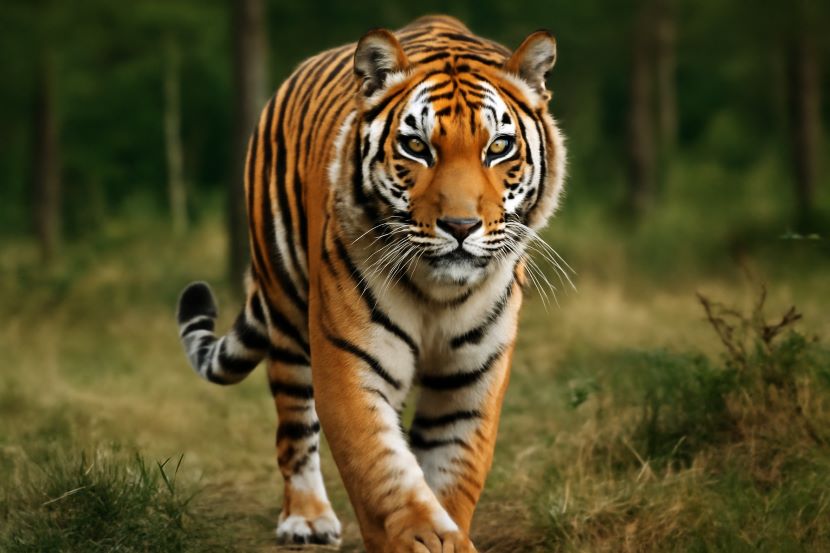
In the rugged landscapes of India and Nepal, tigers and snow leopards continue to pose significant threats to both local communities and wildlife enthusiasts. In Nepal’s Terai region, tigers have moved closer to agricultural areas, where they are preying on livestock. These attacks have resulted in growing tensions between local farmers and conservation groups. Similarly, in India’s Sundarbans, tigers have been known to stalk human settlements, resulting in fatalities.
In the higher altitudes of Nepal and Mongolia, snow leopards are becoming increasingly bold, approaching villages in search of food, leading to frequent livestock predation.
Wildlife Impact:
The loss of large predators’ natural prey and shrinking habitats are major drivers of these attacks. Efforts are underway to provide better monitoring of these big cat populations and implement strategies to reduce human-wildlife conflict.
1. North America
- Ursus americanus (American Black Bear)
- Region: Canada, United States (primarily in the northern areas and parts of the Northeast)
- Risk: Low (2% of income lost due to bear attacks)
- Cause: Bears increasingly moving into populated areas as their habitat is encroached upon, looking for food in garbage dumps or residential zones.
- Wildlife Impact: Threats from black bears as they wander into human territory.
- Canis lupus (Gray Wolf)
- Region: Canada, Northern United States
- Risk: Moderate (10% of income lost in areas with wolf activity)
- Cause: Wolves moving through both rural and suburban areas, often in search of food, which can cause livestock loss and conflicts with humans.
- Wildlife Impact: Farmers and ranchers report financial losses due to wolf attacks on livestock.
- Ursus arctos (Grizzly Bear)
- Region: Northern United States, Alaska, Canada
- Risk: Moderate to High (12% of income loss in affected areas)
- Cause: Habitat reduction and competition with humans for resources. Grizzly bear populations are expanding due to conservation efforts, but this leads to more bear encounters in rural areas.
- Wildlife Impact: Increased attacks and livestock loss in affected regions.
2. South America
- Panthera onca (Jaguar)
- Region: Amazon Basin, Central America, and parts of South America
- Risk: Moderate (14% of income loss in rural areas due to jaguar attacks on livestock)
- Cause: Expansion of agriculture and deforestation have pushed jaguars into more human-populated areas, leading to attacks on cattle and livestock.
- Wildlife Impact: Conflict with farmers, especially where livestock is easier prey than wild animals.
3. Africa
- Lycaon pictus (African Wild Dog)
- Region: Sub-Saharan Africa, especially in the savannas and grasslands of Southern and Eastern Africa
- Risk: High (45% of income lost in affected areas)
- Cause: Wild dogs often attack livestock due to competition for food, especially in areas where their natural prey is scarce.
- Wildlife Impact: The wild dog’s encroachment into farming areas increases human-wildlife conflict.
- Panthera leo (Lion)
- Region: Sub-Saharan Africa, particularly around Tanzania, Kenya, and South Africa
- Risk: Very High (59% of income lost in some regions due to lion attacks)
- Cause: Lions are increasingly moving out of protected areas and into nearby villages in search of food, primarily preying on livestock.
- Wildlife Impact: Lions often attack cattle, resulting in significant economic losses.
- Panthera pardus (Leopard)
- Region: Various parts of Africa, especially in the forests and savannas of Eastern and Southern Africa
- Risk: High (47% of income lost)
- Cause: Leopards are increasingly found in agricultural areas, where they attack domestic animals and sometimes even pose a threat to humans.
- Wildlife Impact: Leopard attacks cause major damage to livestock and create fear in nearby communities.
- Crocuta crocuta (Hyena)
- Region: Sub-Saharan Africa, found commonly in the savannas
- Risk: High (48% of income lost in some rural areas)
- Cause: Hyenas are opportunistic feeders and are known to scavenge from human settlements. They can cause major disruptions in rural areas by attacking livestock.
- Wildlife Impact: Direct impact on farming and livestock industry due to hyena predation.
4. Asia
- Ursus thibetanus (Himalayan Black Bear)
- Region: Nepal, Bhutan, northern India
- Risk: Moderate (31% of income lost in affected areas)
- Cause: Bears are forced to move into human settlements due to reduced food supplies and shrinking habitats.
- Wildlife Impact: Frequent bear attacks on human settlements and livestock.
- Panthera tigris (Tiger)
- Region: India, Bangladesh, Nepal, Bhutan
- Risk: High (34% of income lost due to tiger attacks)
- Cause: Tigers are moving into villages from shrinking forests and attacking livestock.
- Wildlife Impact: Increased number of tiger attacks on livestock, leading to significant economic damage.
- Hyaena hyaena (Striped Hyena)
- Region: Middle East, Central Asia
- Risk: High (37% of income lost in affected areas)
- Cause: Hyenas are scavengers and enter villages to steal food or attack livestock.
- Wildlife Impact: Direct impact on the livestock sector, particularly in rural zones.
- Panthera uncia (Snow Leopard)
- Region: Mountainous areas of Central Asia, Nepal, Bhutan
- Risk: High (42% of income lost in rural areas)
- Cause: Snow leopards attack livestock as they venture closer to villages in search of food.
- Wildlife Impact: Preying on livestock like sheep and goats, which are economically vital for these rural communities.
- Cuon alpinus (Dhole)
- Region: Southeast Asia, parts of India
- Risk: Moderate (33% of income lost in affected areas)
- Cause: Dholes, or wild dogs, can attack livestock and compete for resources with humans.
- Wildlife Impact: Attacks on livestock are frequent, causing economic stress in rural areas.
5. Australia
- Canis lupus dingo (Dingo)
- Region: Australia (particularly in rural and remote coastal areas)
- Risk: Moderate to High (15% of income lost in affected agricultural zones)
- Cause: Dingoes attack livestock, especially sheep, cattle, and poultry.
- Wildlife Impact: Livestock loss and economic stress for farmers, especially in rural areas where the dingo population is larger.
- Crocodylus porosus (Saltwater Crocodile)
- Region: Northern Australia (coastal areas and river estuaries)
- Risk: High (leading to occasional fatalities, both human and livestock)
- Cause: Crocodiles move into human-occupied zones, especially near rivers and beaches.
- Wildlife Impact: Crocodile attacks on humans and livestock in coastal towns and rural areas.
6. Mexico
- Panthera onca (Jaguar)
- Region: Yucatán Peninsula, Chiapas, and parts of Central America
- Risk: Moderate (20% of income lost in agricultural areas due to jaguar attacks on livestock)
- Cause: Habitat loss and deforestation have pushed jaguars into more populated areas, where they prey on livestock.
- Wildlife Impact: Jaguars increasingly attack cattle, leading to economic losses in rural communities.
7. Mongolia
- Panthera uncia (Snow Leopard)
- Region: Mongolian Steppes and remote areas in the Altai Mountains
- Risk: High (33% of income lost due to livestock predation by snow leopards)
- Cause: Snow leopards are forced into closer contact with rural populations due to shrinking habitat.
- Wildlife Impact: Preying on sheep, goats, and other livestock, leading to considerable financial losses for rural herders.
8. Indonesia and Malaysia
- Panthera tigris (Sumatran Tiger)
- Region: Sumatra (Indonesia)
- Risk: High (30% of income lost in areas where tigers attack livestock)
- Cause: Deforestation and agricultural expansion have forced tigers to venture into human settlements.
- Wildlife Impact: Attacks on domestic animals like cattle and goats.
- Elephas maximus (Asian Elephant)
- Region: Borneo, Sumatra, and other parts of Southeast Asia
- Risk: High (35% of income lost in areas affected by elephant raids on crops and plantations)
- Cause: Habitat encroachment and shrinking forest areas push elephants into agricultural lands in search of food.
- Wildlife Impact: Crop destruction and occasional human casualties due to elephant conflict.
Other Global Hotspots: From Mexico to Australia
Regions such as Mexico and Australia also face challenges with wildlife. In Mexico, jaguars are becoming more active around the Yucatán Peninsula, targeting livestock. Meanwhile, in Australia, dingoes and crocodiles are responsible for human and livestock fatalities, especially in northern and remote coastal areas.
In Australia, urban sprawl near wildlife-rich areas has caused increasing wildlife-vehicle collisions, as well as attacks from kangaroos and wild dogs on farms. This trend reflects a global issue of human encroachment on wildlife territories.
Conclusion: A Growing Concern for Travelers and Locals
As human-wildlife conflict escalates, both tourists and local communities need to adapt to the changing environment. Awareness, proper preparation, and wildlife safety protocols are essential for reducing the risk of attacks. For tourists, this means respecting local advice and safety guidelines when visiting wildlife habitats or hiking in remote regions. For local communities, it involves finding a balance between conservation efforts and protecting livelihoods.
Governments and conservationists are working together to mitigate these risks, but the reality remains that as human and animal populations intersect more frequently, conflicts are inevitable. The global rise in wildlife encounters will continue to shape the future of eco-tourism and the relationship between humans and the natural world.
