
Families of victims of the Pulse club nightclub fire in North Macedonia have marched in Skopje demanding justice ahead of the upcoming criminal trial.
The protest in the capital on Saturday gathered thousands of people dressed in black, according to Al Jazeera and The Independent.
Demonstrators carried a large banner with photos of the 63 victims and the slogan “63 shadows will be following you”.
Protesters also chanted “justice for Kocani” as they moved towards parliament and the Criminal Court.
Both outlets reported that the March blaze at the Pulse club in the eastern town of Kocani was the deadliest fire in North Macedonia’s history.
How the Pulse club fire unfolded
The fire broke out during a hip-hop concert at the crowded Pulse club in Kocani on 16 March.
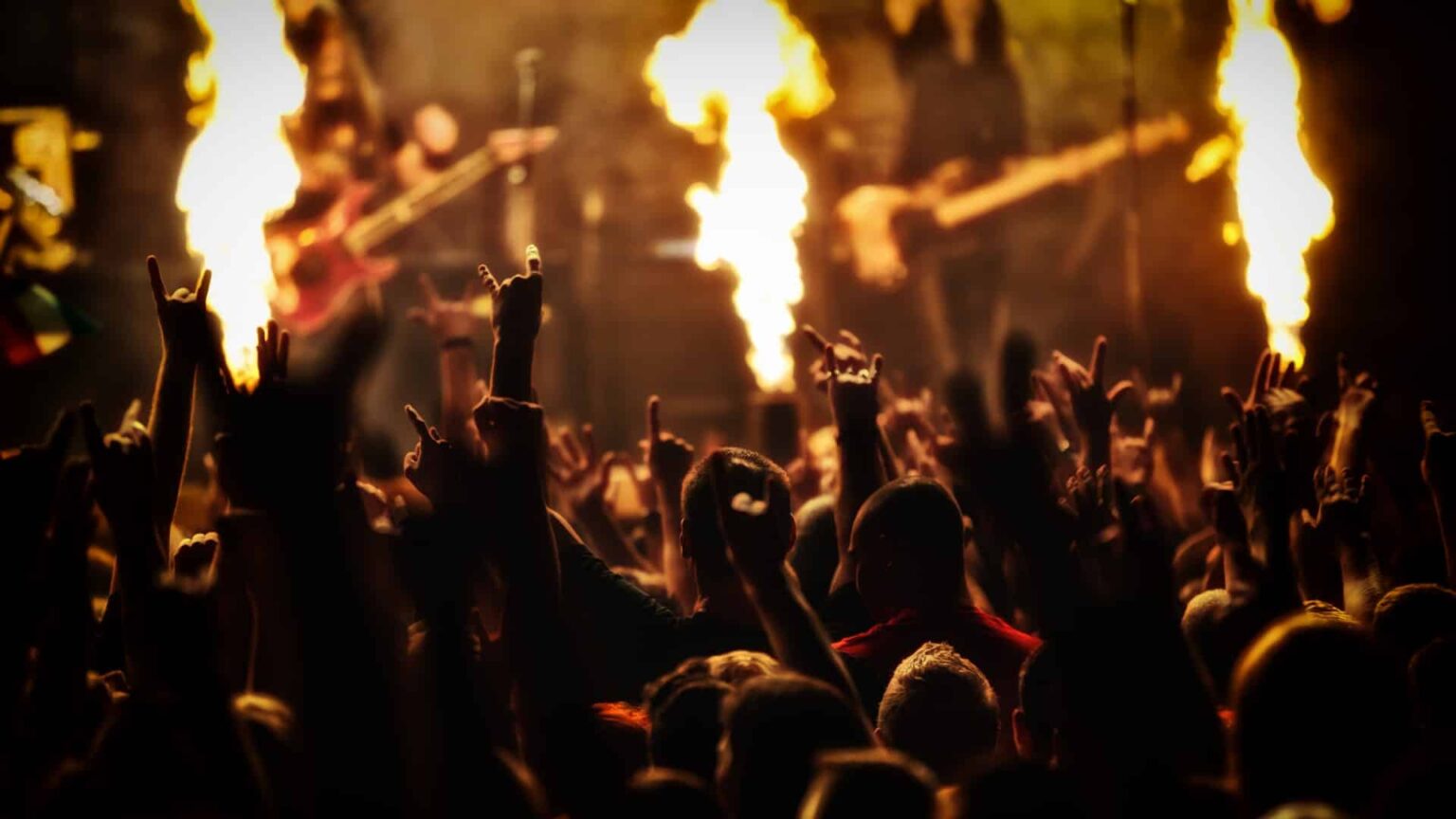
Reports said a pyrotechnic flame ignited the club’s roof, sparking a stampede among those inside.
The blaze killed 63 people and injured more than 200 others.
Most of those who died were aged between 16 and 26, according to the news reports.
Authorities have said the venue was operating with the wrong licence and had numerous serious safety violations.
Families link deaths to corruption and weak oversight
Relatives of those killed have blamed corruption and greed for the deaths of their children.
Parents have argued that bribes to bypass licensing rules and safety checks are common in North Macedonia.
Parents of victims said: “We are aware that the road to justice will be long and difficult, filled with resistance and twisted intentions.
“We are ready, together, to stand up against the greatest evil, the corruption that took the lives of our children.”
Natalija Gjorgjieska, whose husband musician Andrej Gjorgjieski was killed in the fire, said: “We demand the truth.
“Where did the mistakes occur, who didn’t respond, which institutions were late, who had the responsibility to prevent [them] and did not?”
Families said they wanted clarity on which institutions failed and why the venue was allowed to operate despite reported violations.
Indictments over serious crimes against public security
According to both media reports, prosecutors have filed indictments against 34 people and three legal entities.
Those charged include the club owner, security guards and former mayors of Kocani.
The indictments also cover representatives of the security firm and the club owner’s companies.
Other defendants include inspectors, civil servants and former economy ministers named in the investigation.
All are accused of “serious crimes against public security” and face potential prison sentences of up to 10 years if convicted.
Corruption concerns and EU accession context
Al Jazeera and The Independent noted that corruption has been a long-standing problem in North Macedonia.
Transparency International ranked North Macedonia 88th globally on its latest Corruption Perceptions Index, one of the lowest positions in Europe.
The reports said bribes to authorities to avoid licensing requirements and safety regulations are commonplace.
The European Union has repeatedly raised concerns about corruption as a barrier to North Macedonia’s accession process.
The nightclub fire and subsequent prosecutions have renewed attention on how such governance issues affect public safety.
Licensing, inspection and political accountability for crowded venues
For fire safety officers, risk assessors and inspection teams, the reports highlight how a crowded entertainment venue with known safety issues can still operate when licensing and enforcement systems fail.
Authorities cited serious violations at the Pulse club, including the wrong licence, unaddressed hazards and the use of indoor pyrotechnics that ignited the roof during a live event.
Government departments responsible for venue licensing and oversight may examine how inspectors, civil servants and former ministers have been brought into the case on charges linked to public security.
Architects, building services engineers and fire engineering consultants involved in designing or reviewing night-time economy venues can reference this case when assessing egress capacity, fire loads and the interaction between special effects and building materials.
Facility managers and fire-protection contractors working with clubs and music venues can also use the reported failures as a factual example when reviewing compliance documentation, third-party security contracts and real-world evacuation planning.