
Published on
November 18, 2025

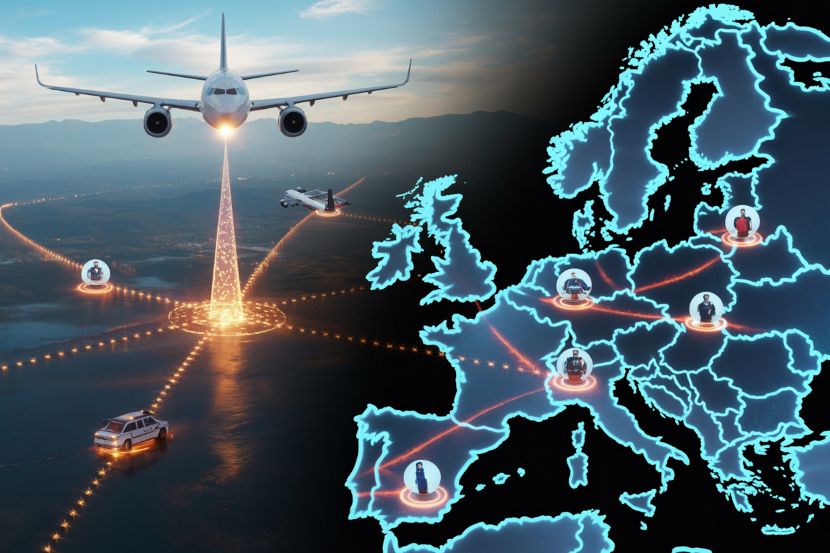
A major step forward in global aviation safety has been achieved, as a groundbreaking connection now links autonomous distress tracking (ADT) data from aircraft worldwide directly to rescue services. This development promises to significantly improve the speed and efficiency of search and rescue operations across Europe and beyond. By seamlessly integrating data from aircraft in distress into the Location of Aircraft in Distress Repository (LADR), this initiative marks a significant milestone in the Global Aeronautical Distress and Safety System (GADSS). As this system comes online, it has the potential to save countless lives by enabling faster, more coordinated responses during aviation emergencies.
How the System Works: A Seamless Integration for Rapid Response
The new technical link integrates aircraft distress signals directly into the LADR platform, which was developed by EUROCONTROL and is managed by ICAO. This system provides a unified access point for global stakeholders, including aircraft operators, air traffic controllers, and emergency response teams, to track and respond to distressed aircraft.
The core of the system’s functionality lies in the secure web-based platform that holds vital information regarding the last known position of aircraft. When an emergency occurs, the system automatically notifies the relevant authorities, facilitating a faster response to aviation incidents. This new technology ensures that distress signals are not just received but also acted upon immediately, creating a global safety network that spans from Europe to Asia and beyond.
Strengthening Global Cooperation: A Major Step in Aviation Safety
This global initiative marks an exceptional example of international cooperation. With the French Mission Control Centre (FMCC) playing a crucial role, the platform allows for integration with Cospas-Sarsat, an international program dedicated to monitoring distress signals. This partnership enables the real-time coordination of aircraft distress situations, ensuring that each case is handled swiftly and effectively.
The FMCC, a vital component of France’s civil aviation network, has played a pioneering role in implementing this technology. The integration of distress tracking data into LADR ensures that operational stakeholders are better equipped to coordinate rescue missions, not just within Europe, but also across international airspace.
The Role of France and EUROCONTROL in the New Era of Aviation Safety
France has long been at the forefront of aviation safety and distress signal systems, and this latest development showcases the country’s ongoing leadership. With a strong track record in Cospas-Sarsat operations, France continues to work alongside other global partners to enhance aviation safety protocols.
The EUROCONTROL team, in partnership with ICAO, has been instrumental in developing the LADR platform. The integration of data from this repository will ensure that air traffic management is more streamlined and responsive. The ability to instantly access real-time distress information will allow for more timely interventions and better coordination between aviation authorities worldwide.
How This New System Benefits Travelers and Aviation Enthusiasts
For travelers and aviation enthusiasts alike, this new system represents a significant leap forward in ensuring air safety. It guarantees that no matter where you are flying, help is just a signal away if an emergency arises. This technology doesn’t just improve aviation safety; it also increases peace of mind for passengers who can trust that help will arrive quickly in the event of an emergency.
As the system develops, with six additional Mission Control Centres (MCCs) planned for integration, the network’s resilience and global coverage will grow. This expanding network means that passengers, wherever they are, can rely on the latest technology to protect them and expedite rescue efforts when needed.
What Travelers Should Know: Understanding the Global Impact of the LADR System
Travelers who are concerned about aviation safety will be reassured to know that this technology is actively working to protect them. The LADR system allows authorities to track aircraft in real-time, ensuring that any distress signal, no matter how remote, is quickly located and acted upon. Additionally, as more countries integrate their distress systems into this global framework, travelers will benefit from an even more secure and efficient system designed to save lives.
Travel tips for aviation safety enthusiasts:
- Stay informed about aviation safety technology and how it impacts the industry.
- If you’re flying long distances or to regions with complex air traffic patterns, be aware that global distress tracking will help keep you safe.
- Pay attention to news regarding aviation safety advancements to better understand the technology used to ensure your safety.
A Bright Future for Global Aviation Safety
The recent milestone of integrating distress data into LADR signals the beginning of a new era in aviation rescue operations. As the system expands and more countries join the initiative, we can expect to see faster response times, more coordinated rescue efforts, and ultimately, a greater chance of saving lives during aviation emergencies. This technological leap forward is the result of decades of hard work and collaboration, and it represents a significant improvement in global aviation safety standards.
For those interested in the future of aviation, it is clear that international cooperation and technological innovation will continue to drive the industry toward safer skies.
