
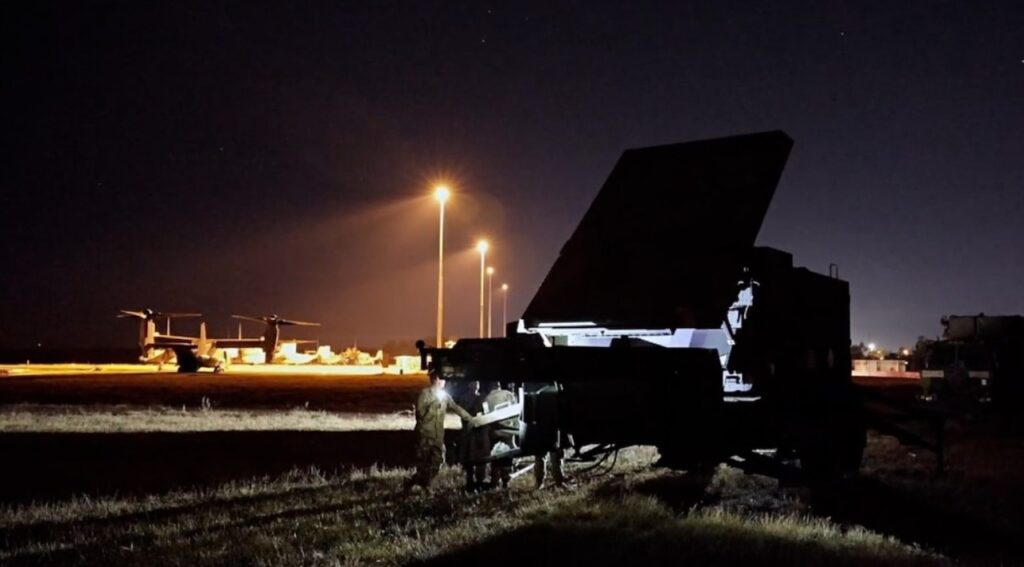
Huntsville’s Redstone Arsenal is one of nine installations on a list of possible sites for a new nuclear program by the U.S. Army.
Redstone, Fort Benning, Ga.; Fort Bragg, NC; Fort Campbell, Ky.; Fort Drum, NY; Fort Hood, Texas; Fort Wainwright, Alaska; Holston Army Ammunition Plant in Kingsport, Tennessee; and Joint Base Lewis-McChord in Washington could receive nuclear microreactor power generators by 2030, the service announced today.
The small reactors are part of the Army’s Janus Program designed to deliver “secure, resilient, and reliable energy to support national defense installations and critical missions,” the Army said in a statement.
“These early site selections align with the Department of War’s goal of accelerating the pace of deploying on-site nuclear generation at our installations,” said Jordan Gillis, Assistant Secretary of the Army for Installations, Energy and Environment. “Through the use of the Army’s unique nuclear regulatory authorities, we are deploying a resilient, secure, and reliable energy supply for critical defense operations and in support of the most lethal land-based fighting force in the world.”
According to Stripes.com, microreactors are generally 100 to 1,000 times smaller than a conventional nuclear reactor and can be small enough to be transported via tractor trailer. The reactors can produce up to 50 megawatts of power and can function independently of the traditional electric grid, the site said.
The nine sites were identified through an analysis and on-site assessments that included mission-critical installations, energy requirements, power infrastructure, and technical considerations.
The final number and location of the microreactors will be determined during the acquisition process, the Army said, meaning it’s not a guarantee Redstone will be on the final list. However, “the Army is committed to maximizing the number of sites based on technical feasibility, site suitability and available resources,” the Army said.
A timeline for the decision has not been announced other than what the Army described as a staged rollout.
“These projects will be self-contained and protected appropriately. All projects will comply with the applicable federal, state, and local regulations, and leverage the safety features inherent in next-generation reactor designs. The Army does not anticipate any significant impact to installation land use,” the service said.
If you purchase a product or register for an account through a link on our site, we may receive compensation. By using this site, you consent to our User Agreement and agree that your clicks, interactions, and personal information may be collected, recorded, and/or stored by us and social media and other third-party partners in accordance with our Privacy Policy.