
Published on
November 19, 2025

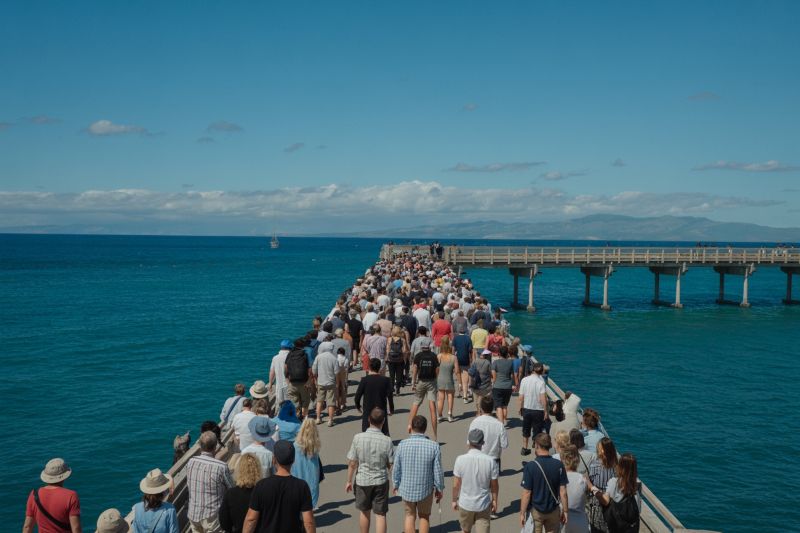
As tourism continues to expand globally, some specific spots, particularly microstates, islands and, popular locations within the United States, are severely impacted by overtourism. Extreme tourism, the once-off phenomenon, has expanded within the historical centers of Europe and, the Caribbean; to the point of threatening the structural and social fabric of the tourists’ destinations. Africa with its safari specialization as assessed by Go2Africa, presents the most visible ‘advantage’ tourist centers which are severely overcrowded by tourists to the point of losing all control. Such destinations need to practice tourism that retains some of the structural and social compositions.
Overtourism in Microstates and Islands: A Growing Global Issue
Some of the world’s most notable overtourism hotspots are small, densely populated regions that attract a disproportionate number of visitors compared to their local populations. The impact of this overcrowding is especially evident in European microstates and Caribbean islands, where tourism is vital to the economy but has begun to outpace infrastructure capacity.
Vatican City stands at the top of the list for overtourism, with a visitor-to-resident ratio of 7,710:1. Despite having only 882 residents, the Vatican attracts over 6.8 million visitors annually, with daily visitation numbers reaching as high as 25,000. The high volume of tourists, particularly around the Vatican Museums and St. Peter’s Basilica, leads to long queues, crowded streets, and immense pressure on local services. Visitors flock to the Vatican not just for its religious significance, but also for its artistic and historical offerings, all of which contribute to its status as the world’s smallest but most heavily visited state.
Andorra and San Marino: Struggling with the Burden of Tourism
Andorra, a tiny principality nestled between France and Spain in the Pyrenees, also faces the consequences of overtourism. The country’s appeal lies in its tax-free shopping and upscale ski resorts, attracting over 9.6 million tourists annually. With a population of just 85,000, this results in a tourism-to-resident ratio of 118:1, placing significant strain on the country’s infrastructure, especially during peak winter months when ski resorts see heavy foot traffic.
Similarly, San Marino, one of the world’s smallest countries, welcomes around 2 million visitors each year, despite having a population of only 33,600. This results in a 60:1 visitor-to-resident ratio. The country’s medieval charm and its mountaintop capital attract visitors seeking a mix of historical exploration and stunning views. However, the constant influx of tourists has led to overcrowding in San Marino’s historic sites, with infrastructure and local businesses struggling to accommodate the crowds.
Caribbean Islands: Overwhelmed by Cruise Ships and Tourists
In the Caribbean, several microstates and islands are dealing with the overwhelming impact of mass tourism, particularly from cruise ships. The Bahamas, Antigua and Barbuda, and Saint Kitts and Nevis are among the Caribbean nations feeling the strain. Cruise ships frequently unload thousands of passengers at once, flooding local ports, stretching resources, and overwhelming small communities.
In these islands, tourism is a vital economic driver, but the sheer volume of visitors during peak seasons creates issues for local infrastructure, including transportation, waste management, and public services. The benefits of tourism are sometimes overshadowed by the challenges posed by large, short-term influxes of visitors. While tourism remains essential for local economies, it also demands sustainable management to mitigate its negative impacts.
Monaco and Malta: High Visitor Density in Popular Tourist Destinations
Monaco, the glamorous principality on the French Riviera, also ranks among the most crowded tourist destinations relative to its population. With a population of just 39,000 residents and an annual influx of around 340,000 visitors, Monaco has a significantly high tourist-to-resident ratio. The bustling casinos, luxury hotels, and waterfront attractions bring in tourists, but the influx around its main attractions, including the famous Monte Carlo casino and the Monaco Grand Prix, puts pressure on the local community.
Similarly, Malta, an island nation in the Mediterranean, faces mounting concerns over overtourism, especially during the summer months. With a population of roughly 563,000 and more than 3.5 million visitors annually, Malta’s tourism numbers are reaching unsustainable levels. The overcrowding is particularly noticeable on Comino Island, where popular sites like the Blue Lagoon attract up to 10,000 visitors daily in peak season. The overflow of tourists has led to environmental degradation, including littering, noise pollution, and damage to natural habitats, prompting calls for better management and more responsible tourism practices.
U.S. Destinations: Overtourism Pressures in Popular States
The issue of overtourism is not confined to small states or islands—it is also affecting larger destinations in the United States. According to Go2Africa’s research, every U.S. state now receives more annual visitors than residents, with tourism contributing to crowded attractions and strain on local resources.
West Virginia tops the U.S. list for the highest tourist-to-resident ratio, with 75 million visitors and only 1.77 million residents. This significant disparity is driven by the state’s booming outdoor recreation industry, which draws millions of tourists to its national parks and hiking trails. Despite the influx of visitors, the state’s tourism infrastructure is often overwhelmed, especially during peak travel seasons.
Other states, like New York and California, also experience heavy tourism traffic, particularly in major urban hubs like New York City and Los Angeles. New York sees a staggering 306 million visitors annually, while California receives 264 million, most of which are concentrated in iconic tourist destinations. The overburdened infrastructure in these states makes it difficult to accommodate large numbers of visitors, resulting in overcrowded landmarks, high prices, and diminished quality of life for residents.
Responsibility and Sustainable Solutions in Overtourism Destinations
The growing trend of overtourism presents a critical challenge for both tourism operators and local governments. It is essential to find ways to balance the economic benefits of tourism with the need to preserve the integrity of destinations and protect the quality of life for residents. One solution is implementing sustainable tourism practices that focus on responsible travel, community involvement, and environmental protection.
Tourism boards and industry stakeholders must develop strategies to mitigate the negative impacts of overtourism, including managing tourist numbers, promoting off-season travel, and focusing on destinations that are under-visited. By spreading out tourist traffic and emphasizing the preservation of local cultures and ecosystems, destinations can create more sustainable and enjoyable experiences for both tourists and locals.
The Future of Tourism: A Shift Toward Sustainable Practices
The issue of overtourism requires a shift in the way the tourism industry operates. In many regions, the focus is starting to shift from merely attracting visitors to ensuring that the tourism experience is sustainable and beneficial for both travelers and locals. Implementing responsible tourism initiatives, prioritizing eco-friendly travel options, and promoting less-visited destinations are all part of a broader movement toward more sustainable practices in the global tourism industry.
Ultimately, the future of tourism lies in finding the right balance—ensuring that destinations remain vibrant and welcoming while preserving the cultural, natural, and social aspects that make them unique. This will require a concerted effort from governments, businesses, and travelers alike to promote sustainability and responsible travel for future generations.
Finding Solutions for Overtourism
Given the extent to which the travel and tourism industry has negatively impacted the environment and sustainability of travel spots and ecosystems, it is evident that the major stakeholders e.g. travel and tourism operators, newcomers to the industry, local governments, and travelers collaboratively and cooperatively implement adaptable solutions to problems concerning sustainable travel and tourism destinations. If sustainable travel and tourism ecosystems, environments, and destinations are correctly and carefully managed, defenders of the trade’s overt negativism will be able to enjoy the travel and tourism industry and overt sustainable ecosystems for years to come.
