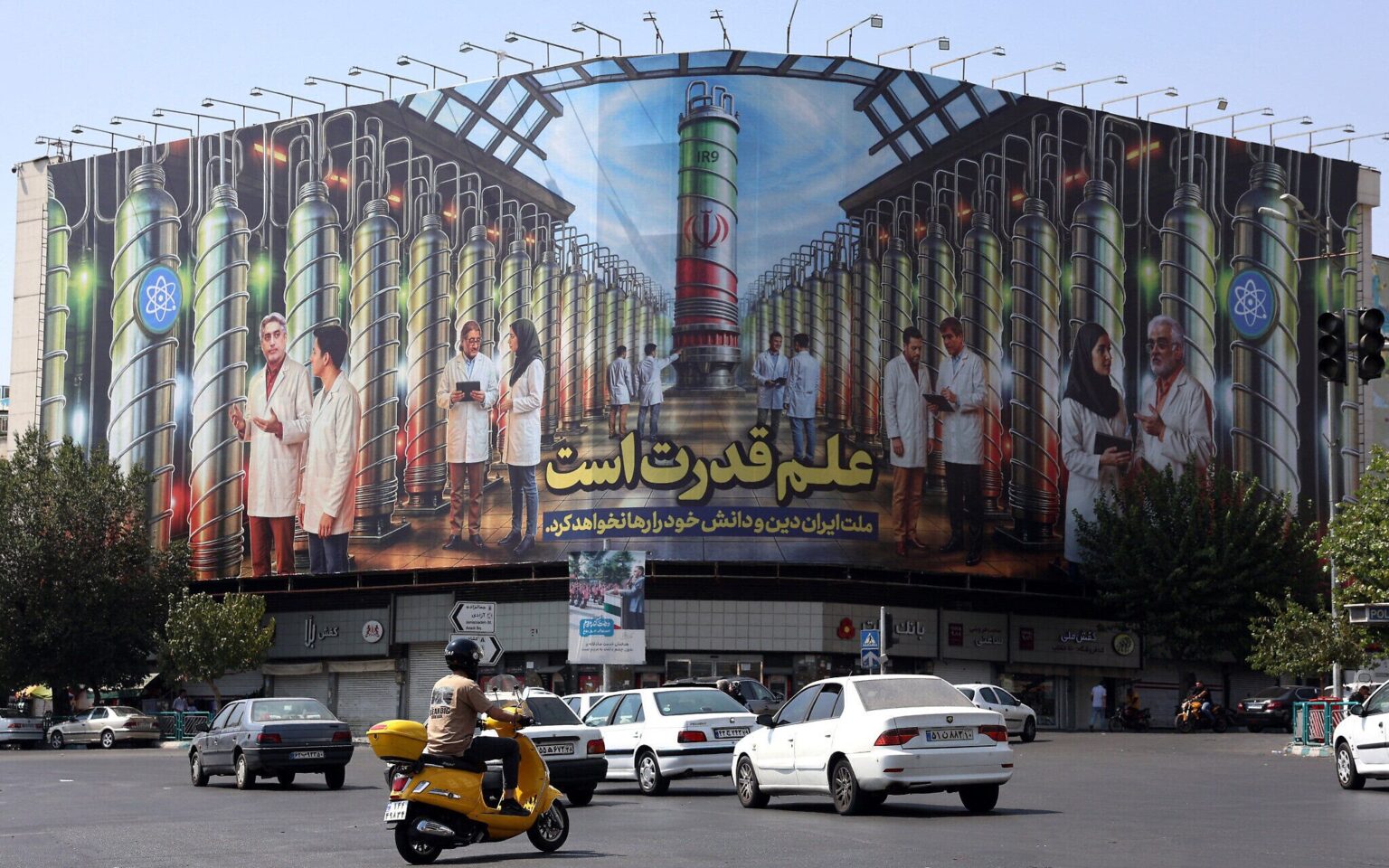
Iranian scientists with ties to the regime made a secret trip late last year to Russia, where they met with military experts and may have sought to advance nuclear weapons work, the Financial Times reported on Wednesday.
Citing various documents it had obtained, the newspaper said the visiting scientists were connected to institutions previously implicated in nuclear work, and that the visit — on November 7-11, 2024 — was arranged by an organization serving as a front for Iran’s Organization of Defensive Innovation and Research (SPND), the military body Western officials believe is behind Iran’s nuclear weapons research efforts.
The Financial Times said the visit was the second last year, and included meetings with the sanctioned Russian company Laser Systems, which develops lasers for civilian and military use.
In addition, Andrei Savin, a former technical director at Laser Systems and now a professor at Baltic State Technical University — a Russian military tech school — traveled in February this year to Tehran, where he met officials believed to be linked to SPND, and also representatives from DamavandTec, considered a front company for SPND, the report said. In October, the US sanctioned DamavandTec and its CEO, Ali Kalvand, accusing them of trying to obtain items “applicable to the development of nuclear explosive devices.”
Nicole Grajewski of the Carnegie Endowment’s nuclear policy program told The Financial Times that the meetings are “strong evidence that Russia was assisting Iran in its nuclear weapons-related research,” and noted that the activities appeared to have been approved “at a high level on the Russian and Iranian sides.”
Former CIA analyst Jim Lamson, now a senior research associate at the James Martin Center for Nonproliferation Studies, told The Financial Times it appears that the Iranian group was “seeking laser technology and expertise that could help them validate a nuclear weapon design without conducting a nuclear explosive test.”
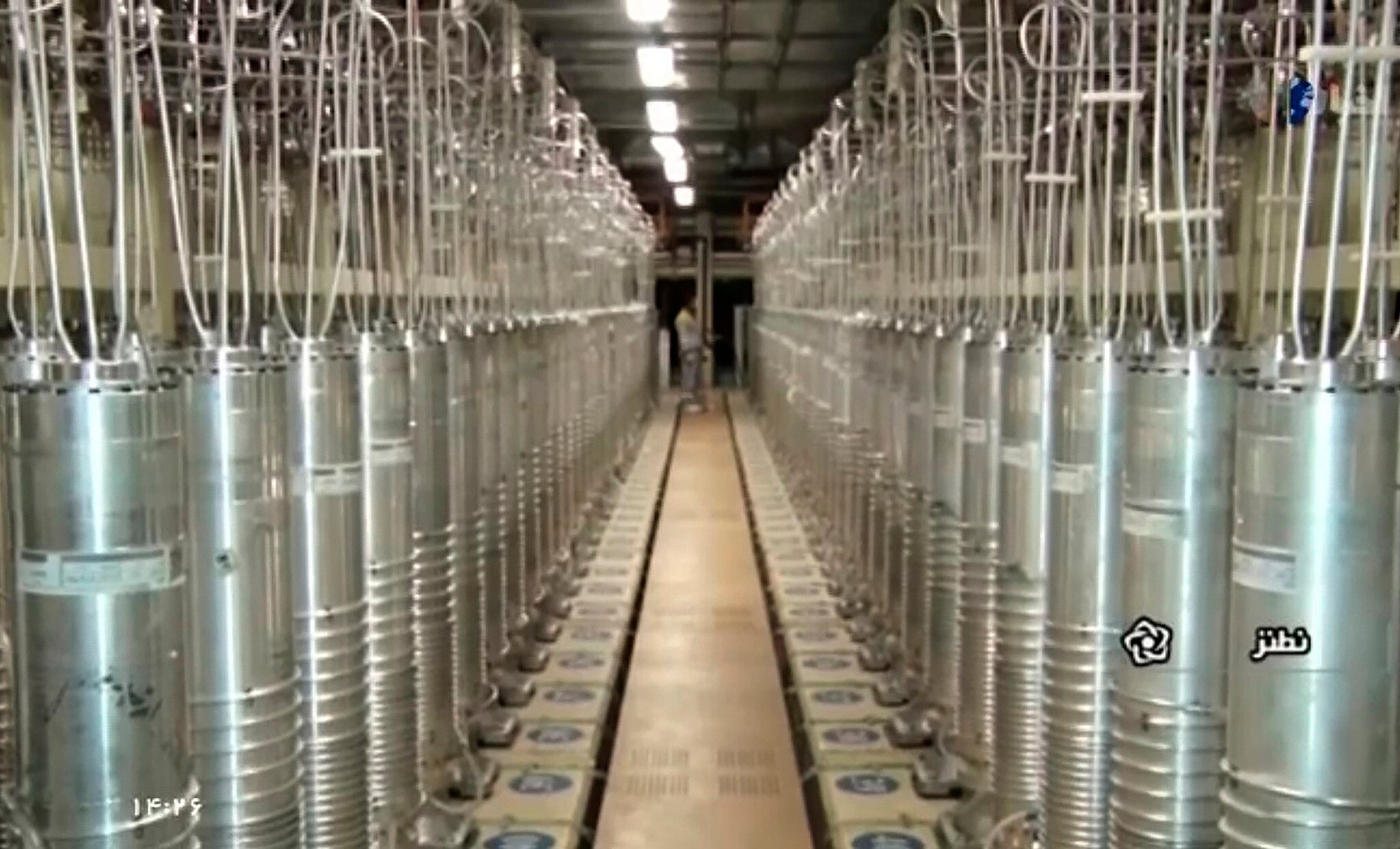
Centrifuges line a hall at the Uranium Enrichment Facility in Natanz, Iran, in a still image from a video aired by the Islamic Republic Iran Broadcasting company on April 17, 2021, six days after the hall had been damaged in a mysterious attack. (IRIB via AP)
In August, The Financial Times reported on a previous trip by Iranian nuclear scientists to view Russian facilities working on technologies relevant to nuclear weapons production.
According to that report, which was based on various official letters, travel documents, and corporate records, Kalvand and four of his employees traveled to Moscow on August 4, 2024, claiming to be employees of a Tehran-based consulting firm. However, the report said, they all entered Russia on diplomatic passports, issued just weeks before the trip.
During their time in Moscow, The Financial Times said the nuclear scientists visited a Russian scientific institution that produces dual-use technologies, which have both civilian applications and are related to nuclear weapons research.
The newspaper noted that it was unable to identify the specific technologies that Iran was seeking from the Russian facilities, but said that one of the Iranian scientists, Soroush Mohtashami, is an expert on neutron generators — a component that can trigger detonation in some nuclear weapons.
In a letter Kalvand sent to Russian scientist Oleg Maslennikov ahead of the visit, he said that the purpose of the trip would be “to discuss and agree on technical and production aspects of electronic device development,” the FT reported, and “to consider general potential paths for expanding scientific co-operation.”
According to documents reviewed by the newspaper, the visit by the Iranian scientists also had a secondary purpose — acquiring radioactive materials.
In May 2024, the report said, Kalvand sent a letter to a Russian supplier of nuclear isotopes, in which he requested three radioactive isotopes, for research purposes, in unspecified quantities: tritium, stronium-90, and nickel-63.
The three isotopes all play different roles in the production and testing of nuclear weapons. However, the FT said it found no evidence that Kalvand ever received the isotopes he was seeking.
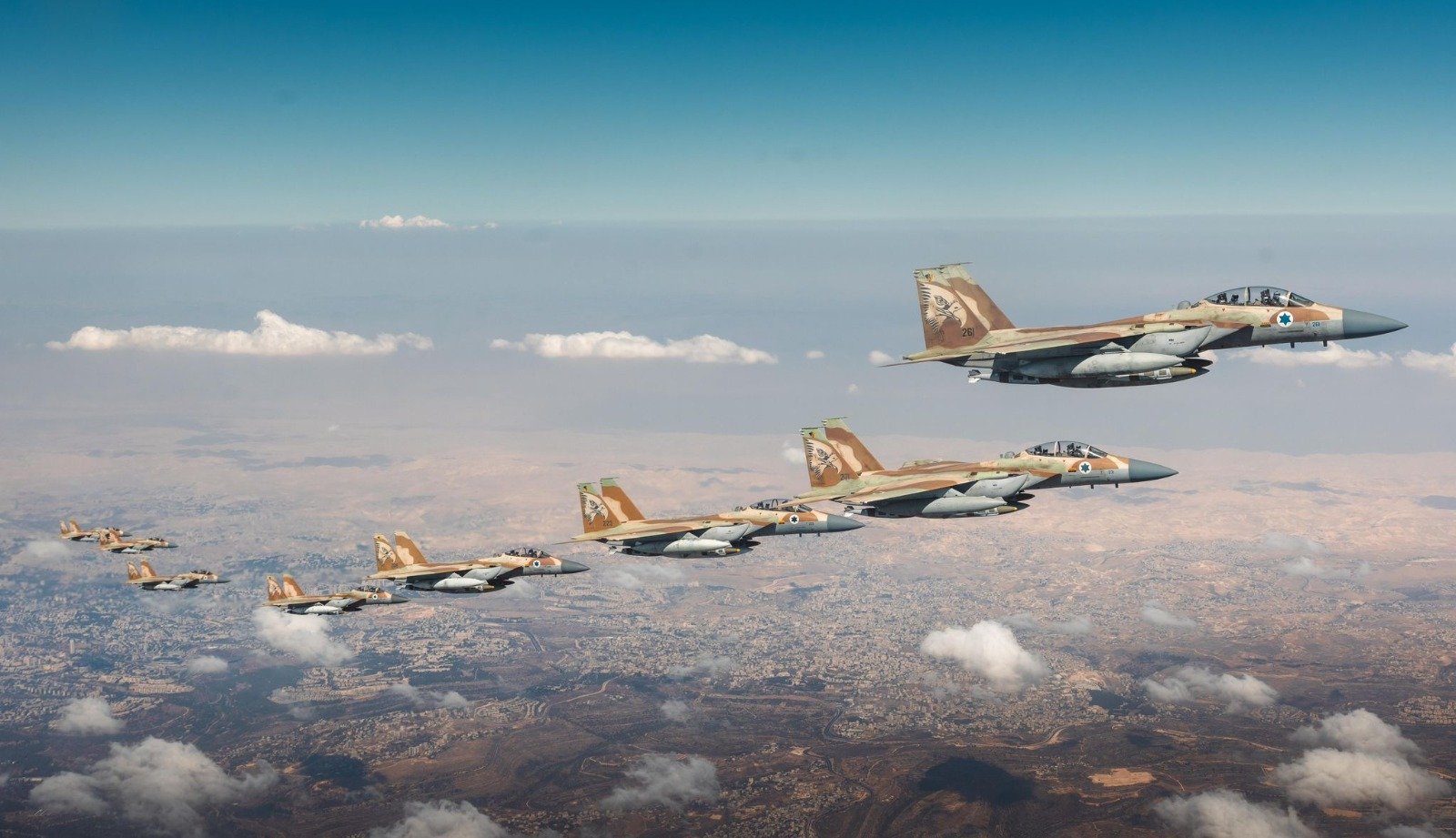
Israeli Air Force F-15 fighter jets fly over Israel en route to carry out strikes in Iran, in a handout photo published on June 25, 2025. (Israel Defense Forces)
In mid-June, Israel launched an unprecedented bombing campaign against Iran, triggering a 12-day war that the US briefly joined with strikes on Iranian nuclear sites. Analysts and experts have provided conflicting reports on the extent of the damage caused to Iran’s nuclear program.
Iran, which avowedly seeks Israel’s destruction, denies seeking to attain nuclear weapons, but it has enriched uranium to levels that have no peaceful application, obstructed international inspectors from checking its nuclear facilities, and expanded its ballistic missile capabilities. The Islamic Republic took steps toward weaponization shortly before Israel launched its military operation against the program in June, according to Israel.