
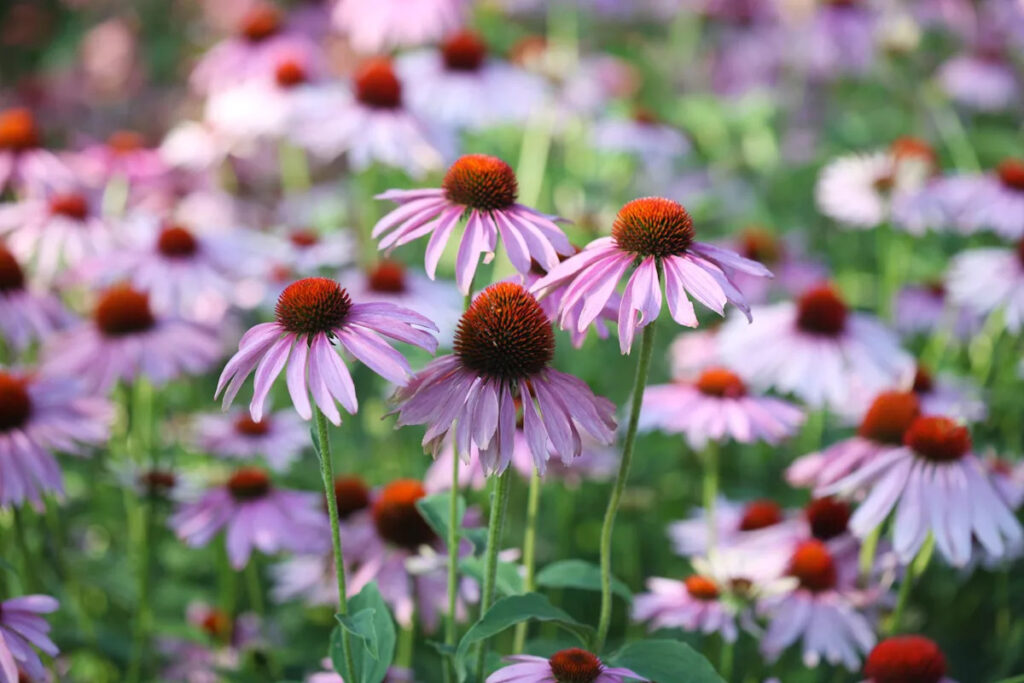
We’re nearing the height of cold and flu season, and if you’re starting to feel a little under the weather, you’ve probably heard of a supplement that might help ease your symptoms: echinacea.
Echinacea, better known as coneflowers, is a perennial plant native to North America. The medicinal uses of the echinacea date back centuries. Many indigenous groups harnessed the plant as a painkiller, where it was used to treat everything from toothaches and sore throats to common colds and the flu.
Today, there’s no shortage of supplements formulated with echinacea extract. But is there science to back up echinacea’s immune-boosting potential?
What is echinacea?
Echinacea supplements come in a few different forms, from capsules to liquid extracts.
The echinacea plant is packed with potent antioxidants, and contains a wide net of compounds that are thought to help reduce free radicals and combat inflammation in the body, says Megan Ramaika, a bariatric dietitian at Medstar Washington Hospital Center.
Echinacea ranks high on the Oxygen Radical Absorbency Capacity (ORAC) scale, says Ramaika. This metric is based on a grading system that measures how powerful a food or nutrient is when it comes to fighting free radicals, preventing oxidative stress and lowering inflammation.
As for why that’s important: When your body is experiencing a lot of inflammation, it affects how well your immune system functions, leaving you vulnerable to the common cold, flu and other viruses, says Ramaika.
Good question: When should I get a flu shot?
Can echinacea help with colds?
Possibly. It’s common for patients to ask: “What supplements can I take to boost my longevity (and) improve my immune function?” says Dr. Kiran Mullur, associate professor of family medicine at Wake Forest University School of Medicine.
When it comes to echinacea, most of the studies conducted on the supplement’s potential benefits for treating upper respiratory tract infections and common colds are generally on the smaller side, usually with under 400 to 1,000 participants, says Ramaika.
While these studies have seen some positive outcomes for immune support, there haven’t been as many large-scale randomized control trials, which are the gold standard of scientific studies, says Mullur.
The bottom line: While echinacea supplements could play a role in boosting your immune system, it’s hard to definitively say that they can help you get over a cold. “That’s why we always have associations and correlations, but not necessarily causations, when we’re looking at food and nutrition,” says Ramaika.
What are antioxidants? What foods have them and how they affect aging
Who should avoid echinacea?
Anyone who is immunocompromised, pregnant or breastfeeding should avoid echinacea supplementations, says Ramaika. Children with allergies should also avoid taking echinacea unless they’re under the care of an allergist. Before starting echinacea supplements, it’s a good idea to have a conversation with your health care provider first.
If you’re going to purchase an echinacea supplement, make sure to invest in one that has the NSF stamp of approval. It’s considered to be the one of the best third-party testing services to verify the safety of a supplement, Ramaika says.
Again, echinacea may offer benefits to boost your immune system, but it’s important to remember that one of the most important things you can do to protect yourself during cold and flu season is to get the flu vaccine, health experts recommend. Also, you should prioritize getting “good sleep, (maintaining) adequate hydration and reducing (your) amount of stress,” says Mullur.
This article originally appeared on USA TODAY: What is echinacea good for? Experts discuss cold, flu supplement