The company highlighted that the F.02 units helped produce more than 30,000 BMW X3 vehicles and load over 90,000 sheet-metal parts during their deployment.
Also from the article
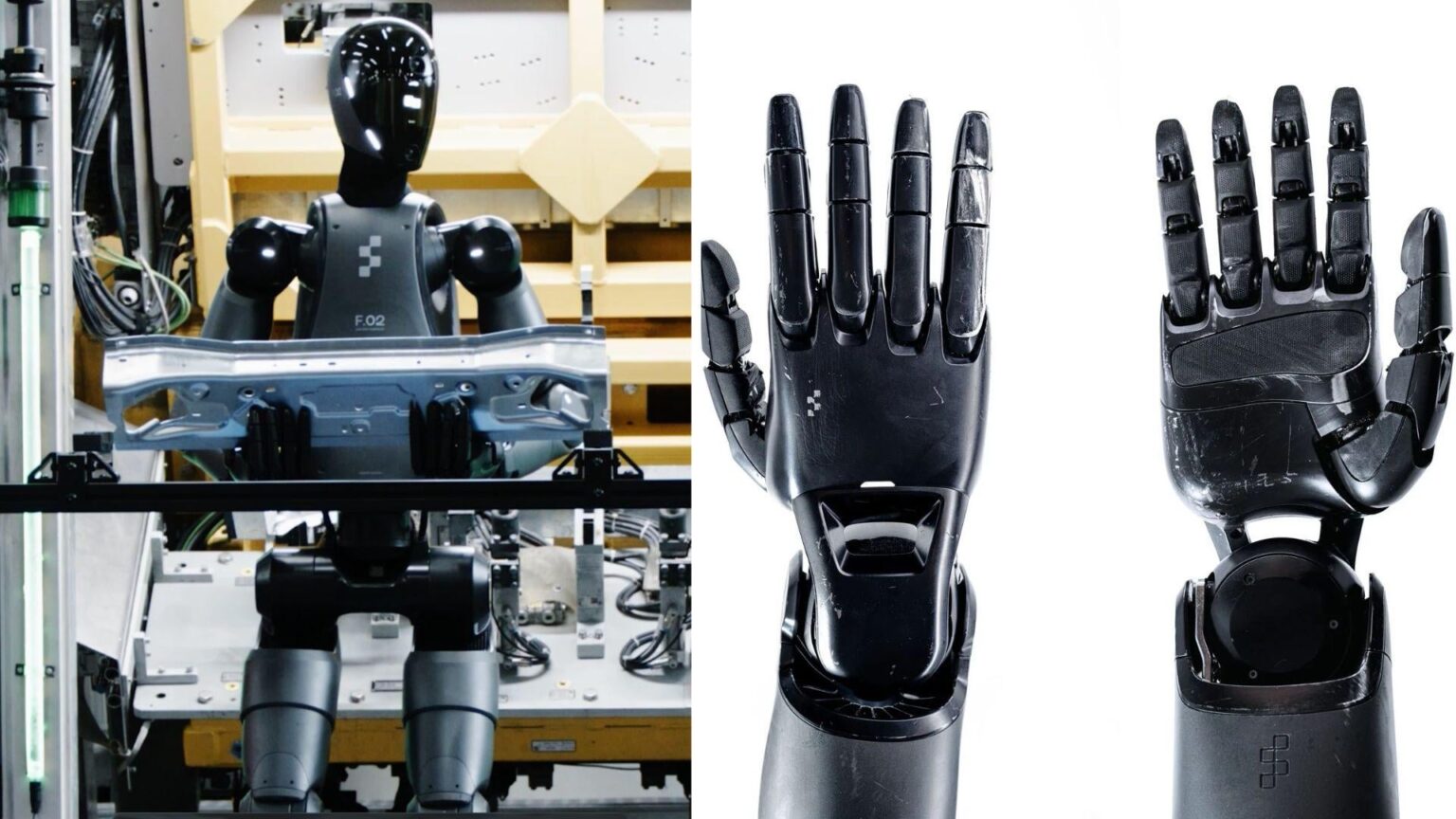
The U.S firm released a detailed account of what the robots achieved at the facility. It said the deployment expanded quickly after the initial setup period. Within the first six months, the robots had been moved to Spartanburg and were operating on the floor. By the tenth month, they were running full shifts on the assembly line.
Their primary task involved lifting sheet-metal parts from bins and placing them on welding fixtures with a 5-millimeter tolerance. After placement, traditional [robotic arms](https://interestingengineering.com/innovation/figure-02-robot-exceptional-package-handling) performed the welding. The humanoids handled metal loading with a cycle time of 84 seconds, including 37 seconds for the load. Accuracy stayed above 99 percent, the firm stated in the press release.
The robots completed more than 1,250 hours of runtime. The company estimated that the machines walked about 200 miles inside the facility. The [deployment](https://interestingengineering.com/innovation/figure-launches-helix-ai-robots) followed a 10-hour shift schedule, Monday to Friday. These metrics were presented as confirmation that humanoid robots can sustain industrial workloads for long periods inside active plants.
>
NinjaLanternShark on
Headline makes it sound as if they’re worn out, or BMW decided they weren’t worth it or something.
They’re replacing their F.02’s with F.03’s.
So… an equipment upgrade…
Bobo_the_Fish on
So they lasted 25 weeks? Is there really a cost savings to be realized?
anquelstal on
Now it can enjoy its retirement and travel around the world.
funky_grandma on
is it weird that I kind of want to adopt one of the old beat-up robots?

5 Comments
From the article
The company highlighted that the F.02 units helped produce more than 30,000 BMW X3 vehicles and load over 90,000 sheet-metal parts during their deployment.
Also from the article
The U.S firm released a detailed account of what the robots achieved at the facility. It said the deployment expanded quickly after the initial setup period. Within the first six months, the robots had been moved to Spartanburg and were operating on the floor. By the tenth month, they were running full shifts on the assembly line.
Their primary task involved lifting sheet-metal parts from bins and placing them on welding fixtures with a 5-millimeter tolerance. After placement, traditional [robotic arms](https://interestingengineering.com/innovation/figure-02-robot-exceptional-package-handling) performed the welding. The humanoids handled metal loading with a cycle time of 84 seconds, including 37 seconds for the load. Accuracy stayed above 99 percent, the firm stated in the press release.
The robots completed more than 1,250 hours of runtime. The company estimated that the machines walked about 200 miles inside the facility. The [deployment](https://interestingengineering.com/innovation/figure-launches-helix-ai-robots) followed a 10-hour shift schedule, Monday to Friday. These metrics were presented as confirmation that humanoid robots can sustain industrial workloads for long periods inside active plants.
>
Headline makes it sound as if they’re worn out, or BMW decided they weren’t worth it or something.
They’re replacing their F.02’s with F.03’s.
So… an equipment upgrade…
So they lasted 25 weeks? Is there really a cost savings to be realized?
Now it can enjoy its retirement and travel around the world.
is it weird that I kind of want to adopt one of the old beat-up robots?