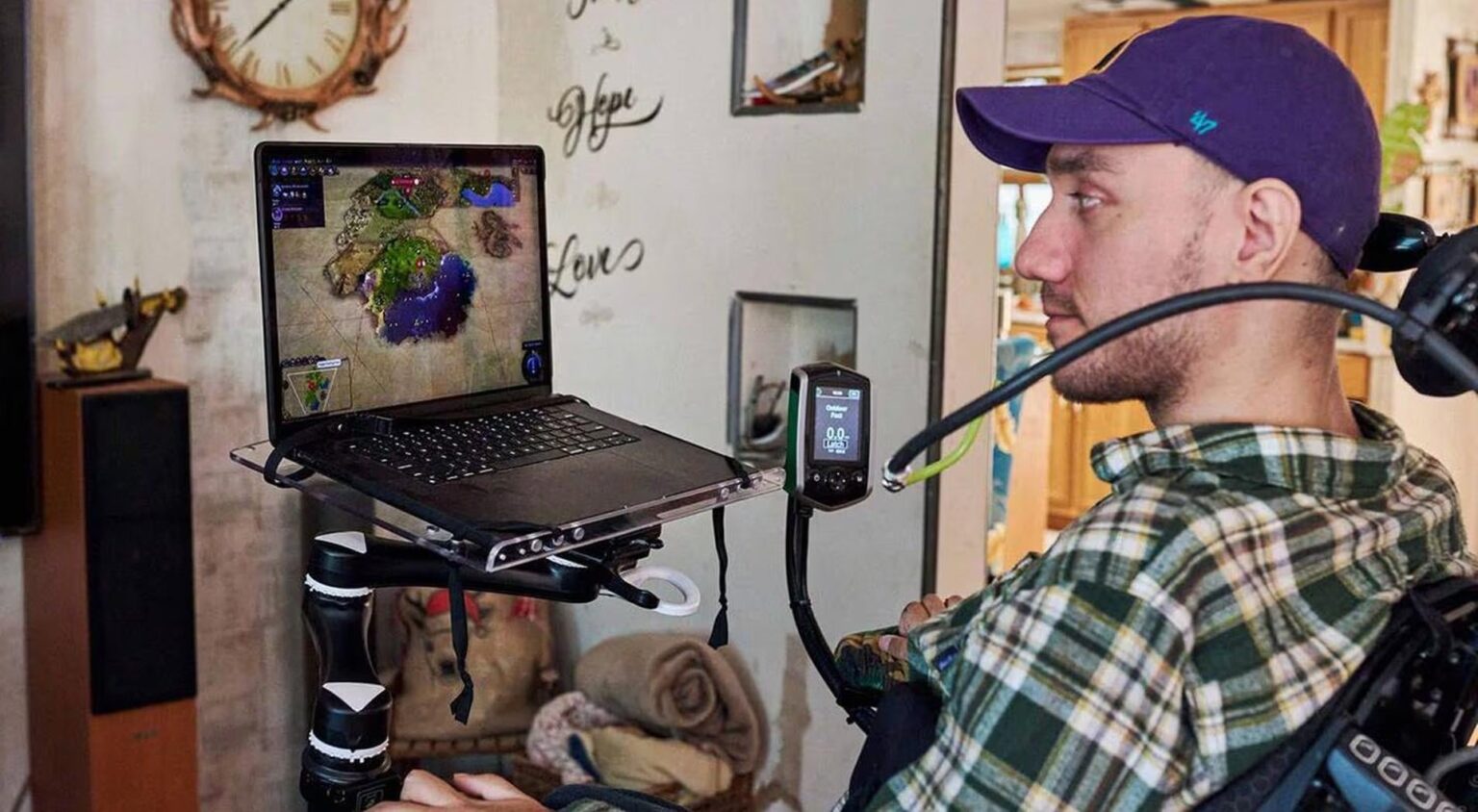
Noland Arbaugh, the first person to receive a Neuralink brain implant, is planning a second, allowing a dual system with one chip in the brain and another below his spinal injury to bypass damaged vertebrae and send signals to his leg muscles.
His first implant let him control computers and games with his thoughts and has helped him return to studies, start a business, and regain purpose.
Arbaugh, who became quadriplegic after a 2016 diving accident, called the idea of a dual implant “unreal” and said he’s “fired up” about the potential.
If it works, this approach could mark a major step toward restoring movement for people with spinal injuries and reshape what BCIs can do for rehabilitation.
worksafe_Joe on
Instead they lose their consciousness to the deep web like a character out of Cyberpunk.
edit: I hope it works as planned, but I have little faith.
8888-_-888 on
Immune rejection of the electrode implants will limit the functional life of these prosthetics. Until that is overcome we won’t be able to fully restore function in these patients long term.

3 Comments
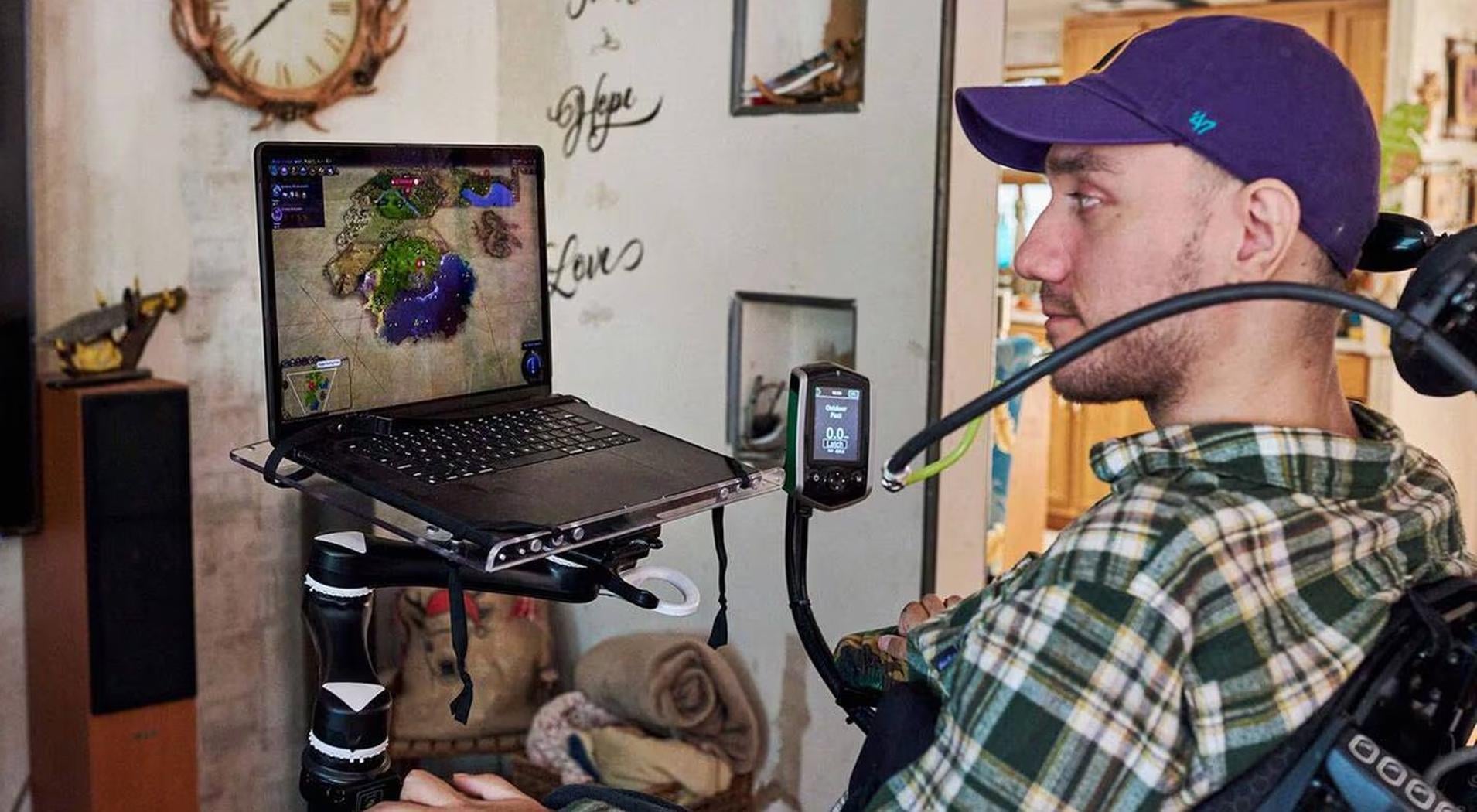
Noland Arbaugh, the first person to receive a Neuralink brain implant, is planning a second, allowing a dual system with one chip in the brain and another below his spinal injury to bypass damaged vertebrae and send signals to his leg muscles.
His first implant let him control computers and games with his thoughts and has helped him return to studies, start a business, and regain purpose.
Arbaugh, who became quadriplegic after a 2016 diving accident, called the idea of a dual implant “unreal” and said he’s “fired up” about the potential.
If it works, this approach could mark a major step toward restoring movement for people with spinal injuries and reshape what BCIs can do for rehabilitation.
Instead they lose their consciousness to the deep web like a character out of Cyberpunk.
edit: I hope it works as planned, but I have little faith.
Immune rejection of the electrode implants will limit the functional life of these prosthetics. Until that is overcome we won’t be able to fully restore function in these patients long term.