

November the 22nd, 2025 – Unfortunate news as Croatia falls five places on the Climate Change Performance Index (CCPI), now standing at 45th place.
As Poslovni Dnevnik/Edita Vlahovic Zuvela writes, Croatia has unfortunately fallen by five places and now ranks 45th in this year’s ranking of the Climate Change Performance Index (CCPI), which monitors the effectiveness of 63 countries in reducing climate change. Croatia received a low rating for greenhouse gas emissions, energy consumption and its climate policy, with a medium rating in the area of renewable energy sources. This all still remains despite it having partially harmonised the climate policy framework with the goals of the European Union (EU).
more climate experts need to be consulted when defining national policies
The most recent report states that back in March of this year, Croatia developed and published a revised National Energy and Climate Plan (NECP) that defines national guidelines until 2030. However, CCPI experts point out that the National Long-Term Strategy (NLTS) needs an urgent revision to reflect the updated EU objectives. It added that the revised NECP does not have a clearly established date for the phase-out of gas use.
In this year’s report, CCPI has called on the Croatian Government to speed up national climate actions and to involve climate experts more in adopting all future climate policies.
“Croatia will reduce its carbon emissions by 55% by 2030, and phase out coal entirely by 2033. It will however also strive to achieve this earlier if possible,” said Croatian Prime Minister Andrej Plenković at the United Nations Climate Change Conference (COP26) held earlier this month.
“croatia’s carbon absorption rate per capita is twice the eu average”

Prime Minister Plenković also stressed at the time that Croatia takes nature conservation extremely seriously, that it has the fourth-lowest carbon footprint per capita in the entire European Union, and that a total of 38% of the country is under stringent protection. “Croatian forestry has a centuries-old tradition of sustainable management. With 93% of the country’s forests certified, Croatia’s carbon absorption rate per capita is twice the EU average,” Plenković revealed at the conference.
The top three spots on the 2025 CCPI ranking are currently vacant because no country has achieved a score high enough to occupy those positions. The highest-ranking country at the moment is Denmark, which ranks fourth with very high scores in renewable energy, high scores in greenhouse gas emissions and climate policy, and medium scores in energy consumption.
the eu is among the world’s largest greenhouse gas emitters
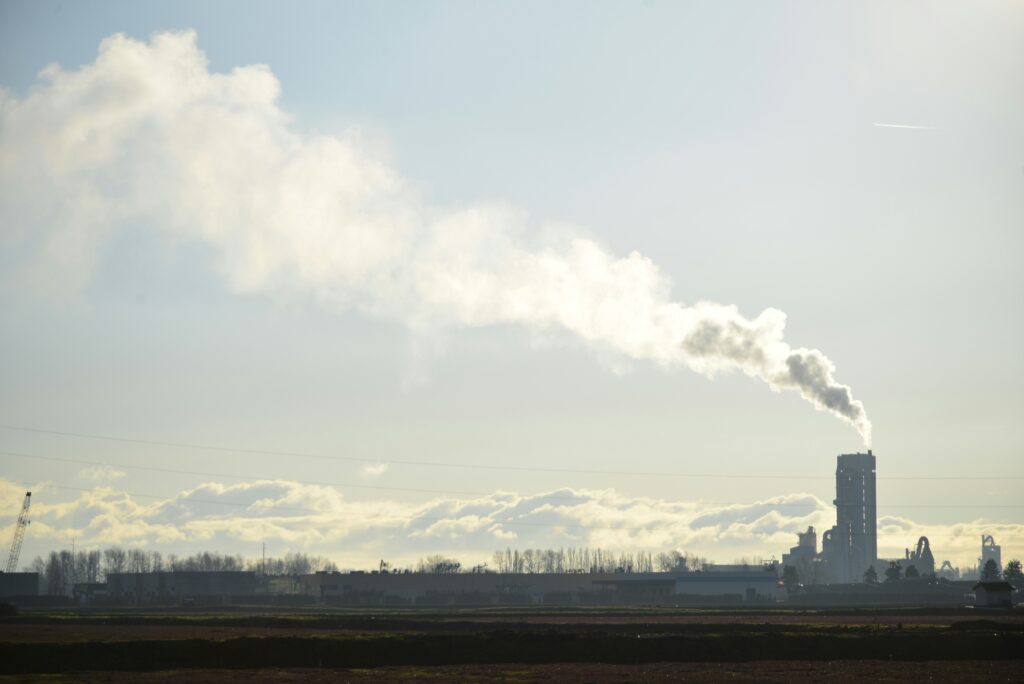
The European Union is one of the world’s six largest emitters of greenhouse gases. The other largest emitters are China, the United States, India, Indonesia and Russia. China remains the largest single emitter, the United States contributes significantly to the increase in emissions through fossil fuels, while the European Union records the smallest increase in emissions among large emitters, but remains one of the leading regions in terms of total emissions.
The EU adopted its new climate target at the last minute, just before the start of the UN climate conference COP30 in Belém, Brazil. EU environment ministers reached a framework agreement back in early November after more than 18 hours of negotiations. It regarded a legally binding target of reducing greenhouse gas emissions by 90% by 2040 compared to 1990.
Before Denmark, the most ambitious country in not only Europe but the world in terms of emissions reductions was the United Kingdom. Last year, at COP29, Prime Minister Keir Starmer announced a target of reducing emissions by 81% by 2035 compared to 1950 levels. The UK is the first G7 country to phase out coal entirely and is currently at an enviable fifth place in this year’s CCPI. However, the country is still lagging behind in the expansion of renewable energy, Euronews reports.
Subscribe to our newsletter
the fields marked with * are required