
The Mediterranean Games have a long and rich history connected to promoting friendship and cooperation among the countries that share the Mediterranean Sea.
They are the most important sporting event for the region—similar to the Olympic Games, but limited to the states bordering the Mediterranean.
The idea for their creation was put forward in 1948 by Taher Pacha, an Egyptian official and member of the International Olympic Committee. His goal was to strengthen relations among Mediterranean countries through sports and peace.
Thus, in 1951 the first Mediterranean Games were held in Alexandria, Egypt, with the participation of 10 countries and 734 male athletes, including classic sports such as athletics, swimming, football, and boxing.
Since then, the Games have been held every four years under the supervision of the International Committee of the Mediterranean Games (ICMG), which oversees the bidding process, preparation, and the Olympic standards of the competitions.
The Games expanded significantly over the decades, increasingly including states from Southern Europe, North Africa, and the Near East.
Many major figures in world sport have participated in the Mediterranean Games—athletes who later went on to become Olympic champions. Meanwhile, Italy, France, and Spain are among the most historically successful nations.
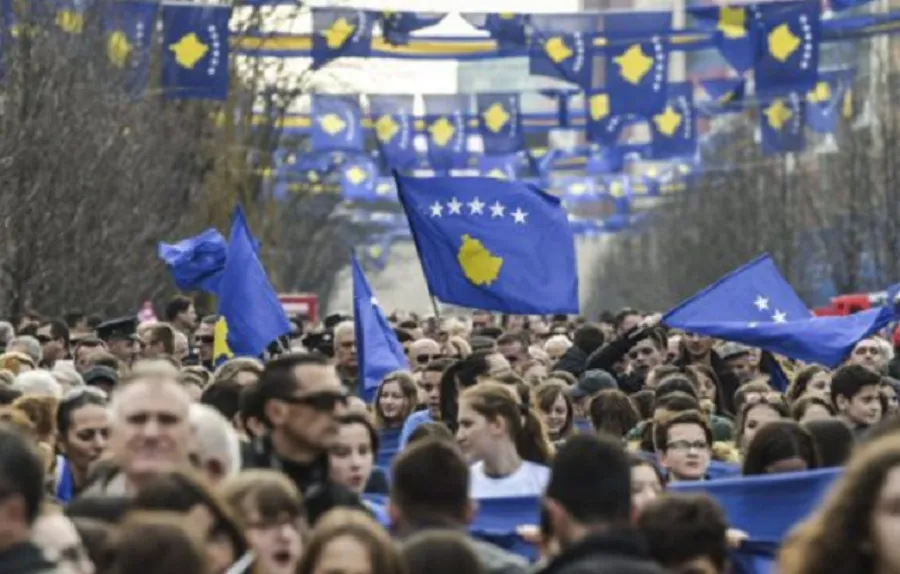
A new chapter in the history of these Games will be written in 2030, when Kosovo will host the Mediterranean Games. It will be the first time that a country from the Western Balkans welcomes an event of this magnitude.
The decision was made by the ICMG in 2023, following a bid prepared with the support of the Kosovo Olympic Committee and state institutions.
The organization of the 2030 Mediterranean Games in Kosovo is expected to include hundreds of athletes from more than 25 countries, competing in over 25 sports.
The Chair of the ICMG Coordination Commission for this event, Stavri Bello, has repeatedly emphasized that preparations are progressing according to plan and that “Kosovo has the opportunity to show itself as a modern country, capable of organizing an international event with Olympic standards.”
The event is expected to take place in Pristina and other cities such as Peja, Gjakova, and Prizren, with the construction and renovation of several sports complexes, including facilities for swimming, athletics, and team sports.
For Kosovo, this will not only be a sporting achievement but also a major international promotion, potentially bringing significant economic and tourism benefits.