
Published on
November 22, 2025

Through a cross-border cooperation program, a ground-breaking tourism initiative that connects Serbia and Montenegro’s pristine natural landscapes and rich cultural heritage has been launched. The partnership was created to promote tourism and regional cooperation as part of the Thematic Journey along the Corridor of Cultural and Natural Heritage of Serbia and Montenegro project. This project creates a cohesive, multifaceted tourism destination by connecting important protected areas, such as Serbia’s Golija Nature Park and Montenegro’s national parks Durmitor, Biogradska Gora, and Prokletije.
A New Vision for Sustainable Tourism Development
At the heart of this initiative is the goal of creating a sustainable tourism product that highlights the region’s natural beauty, cultural heritage, and local communities. The European Union’s support for the project underscores its commitment to promoting sustainable tourism and cross-border collaboration. Through funding under the IPA Cross-Border Cooperation Programme, significant steps have been taken to develop new tourist routes and infrastructure that cater to eco-tourism enthusiasts, history buffs, and adventure seekers alike.
By connecting these remarkable areas, the project seeks to create a unique joint tourism offering, placing a special focus on the rural cross-border areas that remain rich in untapped potential. The project’s core aim was to enrich the region’s tourism offerings with new thematic tourist routes and trails, all of which are strategically designed to enhance the visibility of these historically and ecologically important areas.
Eight Thematic Routes to Explore
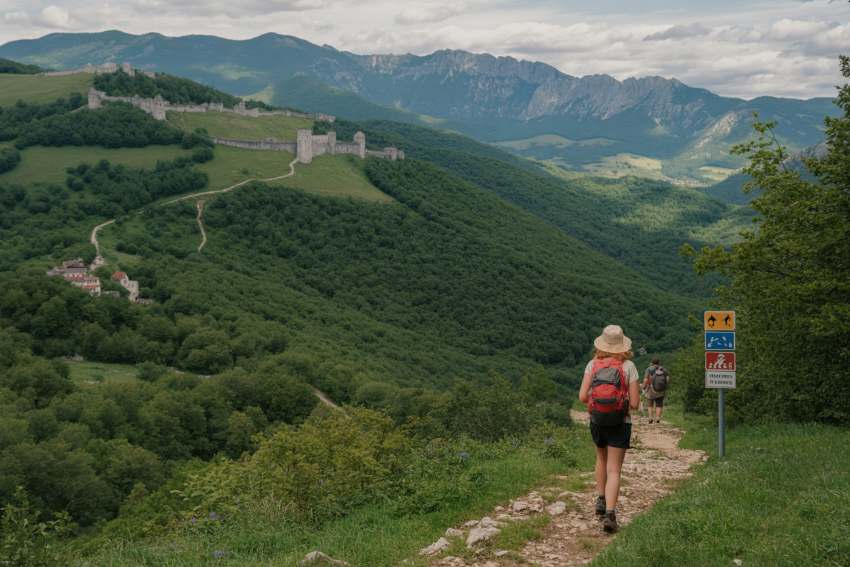
The result of this extensive cooperation is the creation of eight new thematic tourist routes, four in Serbia and four in Montenegro. These trails not only showcase the stunning beauty of each country’s landscapes but also celebrate their shared cultural and historical heritage.
Serbian Trails: The Richness of History and Nature
In Serbia, the routes are located in the picturesque Golija Nature Park, which spans across three municipalities: Kraljevo, Raška, and Ivanjica. Among the most notable trails is the Nemanjić Trail, which traces the path of the powerful Nemanjić dynasty, guiding visitors through significant cultural landmarks such as the medieval Maglič Fortress and the UNESCO-listed Studenica Monastery. The Valley of Centuries trail is another highlight, offering an immersive experience in a valley that holds centuries of Serbian history and culture.
Each of these routes presents not only natural beauty but also a profound sense of history and heritage, linking visitors with the region’s most significant landmarks. The historical connection between the two countries becomes even more tangible through the establishment of trails that cross national borders.
Montenegrin Trails: Nature and Adventure at Its Best
In Montenegro, the focus is on the rugged and dramatic landscapes of the country’s national parks. The new routes include the Žabljak Trail, located in the heart of the Durmitor National Park, and the Tara River Canyon Trail, which offers an awe-inspiring view of one of Europe’s deepest canyons. The Brskovo Trail and the Grebaje Valley Trail are also part of the network, providing adventurers with the opportunity to explore the untouched wilderness of Montenegro, famous for its biodiversity and natural beauty.
The development of these routes is complemented by significant improvements in tourist infrastructure, including signage and the installation of visitor facilities along the trails. This ensures that tourists can enjoy these stunning locations with ease and comfort while also learning about their historical significance through well-curated information points.
EU’s Role in Strengthening Regional Cooperation
The EU’s role in this cross-border project has been pivotal in facilitating cooperation between the two countries. Through its financial backing, the EU has enabled the development of a comprehensive digital platform designed to promote the new tourism offers to a wider audience. This platform not only enhances the visibility of these destinations but also allows tourists to plan their trips with ease, ensuring a seamless travel experience.
The project is also an example of the European Union’s commitment to sustainable tourism, with an emphasis on resource management, the protection of cultural heritage, and the empowerment of local communities. Through workshops and meetings held during the project, local guides have been trained to lead tourists along the newly established trails, sharing the stories of the area’s cultural and natural heritage.
A Joint Effort for Economic Development
While tourism is a key focus of this collaboration, the project has also highlighted the importance of sustainable economic development in the border regions. The creation of these trails is expected to bring economic benefits to local communities through increased tourist visitation, the creation of jobs, and the promotion of local businesses. Additionally, the cross-border cooperation encourages the exchange of knowledge and best practices between the two countries, further enhancing the overall tourism experience for visitors.
The project’s success hinges on the active involvement of local stakeholders, from tourism operators to municipalities, in ensuring the development and maintenance of the trails. With careful management, these tourism routes can become a sustainable driver of economic growth in the region, contributing to long-term prosperity for the communities involved.
A Digital Platform to Showcase the Region’s Treasures
One of the most significant outcomes of the project is the creation of a digital platform that serves as a comprehensive guide to the region’s cultural and natural attractions. The platform allows tourists to explore the various trails, learn about the region’s history, and even book guided tours, making it easier for them to plan their visits.
This digital tool is particularly important for reaching international audiences, as it helps raise awareness about the unique tourism offerings in this part of Europe. As part of the promotion efforts, a promotional video was also launched, showcasing the beauty of the trails and the region’s rich heritage, further strengthening the cross-border tourism network.
The Future of Cross-Border Tourism
The project’s success paves the way for future tourism-related collaboration between Serbia and Montenegro. Further efforts will be undertaken to broaden the tourism offer, improve infrastructure, and encourage sustainable practices that benefit local communities and the environment as both nations continue to fortify their partnership.
With Serbia and Montenegro’s shared natural and cultural heritage serving as a solid basis for future cooperation, this project demonstrates the potential of cross-border cooperation in tourism development. The region’s tourism sector is well-positioned to prosper as more tourists uncover these undiscovered treasures, taking advantage of the flood of tourists eager to discover the unspoiled nature and rich history of this exceptional cross-border destination.
