
PHOENIX (AZFamily) — A south Phoenix family is calling for changes to the way police respond to mental-health emergencies after their father was shot and killed by police last month.
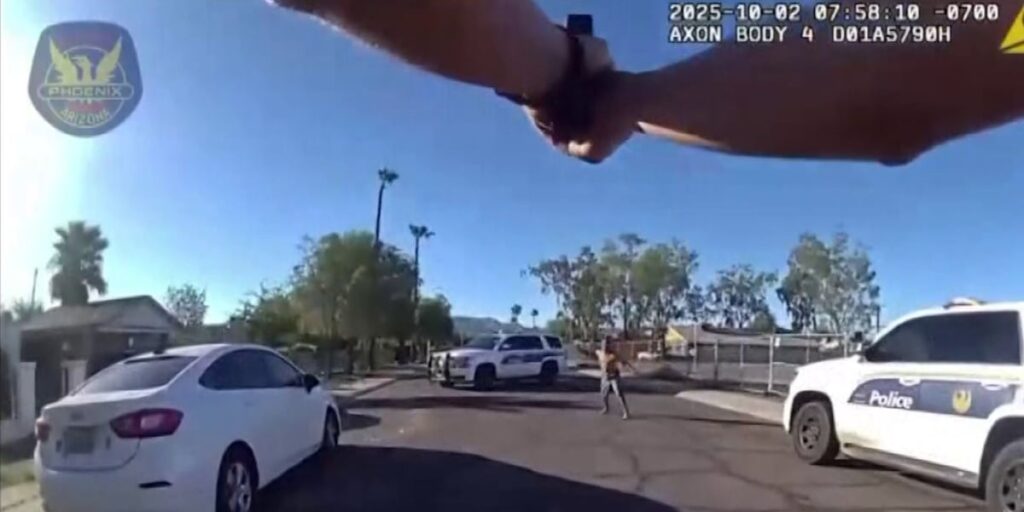
Officers say 49-year-old Victor Altamirano charged at them with a knife, but body-worn camera footage is now raising new questions about what happened in the final moments before shots were fired.
Incidents like this are becoming more common across the Valley, where law enforcement officers are often thrust into the dual role of enforcers and crisis responders — a combination that can end in tragedy.
To his daughters, Altamirano was the center of their home — a jokester, a boxer, and a grandfather devoted to his 12 grandchildren.
“He loved being a Tata,” one daughter said. “He was always joking around… He loved being around us.”
But in the months before his death, Altamirano had been struggling. He had recently lost both of his parents, a grief his daughters say weighed heavily on him and changed his behavior.
“Losing his mom hurt him the most,” his daughter Melissa said.
On the morning of the shooting, Melissa says she called 911 because she feared her father might harm himself. She told dispatchers he was holding a knife and having suicidal thoughts.
Seconds after officers arrived at the family home, Altamirano ran outside. The family, standing nearby, heard officers shouting commands, then rapid gunfire.
“I just heard bullets… and him telling them, ‘kill me,’” Melissa said. “Everything happened so fast.”
Body-worn camera video released by Phoenix police shows officers deploying both non-lethal and lethal weapons almost simultaneously. The footage also shows Altamirano running, and his family believes he was shot in the back.
“They used non-lethal weapons, but once that didn’t take him down… they just finished him off,” one family member said.
The Phoenix Police Department maintains that Altamirano posed a threat, saying he charged at officers with a knife.
Maricopa County has recorded at least six police shootings this year that began as mental-health calls, underscoring a growing challenge for officers and communities alike.
A representative with the Glendale Fraternal Order of Police said situations like this put officers in an impossible position.
“We’re the ones dispatched to those calls… our job is just to make society work,” he said. “In cases where someone is armed and threatening harm, you have to have law enforcement there.”
Victor’s daughters say they didn’t hear any attempt to de-escalate before shots were fired.
“I didn’t hear them try to calm him down,” Melissa said.
The family is now left with grief — and guilt.
“Calling the cops is what I live with every day,” Melissa said. “If I didn’t call… would he still be here?”
The Altamirano family is calling for reforms to how police handle mental-health emergencies. Phoenix officers say more preventive resources — including behavioral health support and crisis response options — are needed long before a situation escalates to the point of calling 911.
Despite their different perspectives, both the family and law enforcement agree on one thing: something needs to change so that no other family loses a loved one the way the Altamiranos lost their father.
If you or someone you know is struggling, call or text 988, the National Suicide & Crisis Lifeline, for free, confidential help 24/7.
See a spelling or grammatical error in our story? Please click here to report it.
Do you have a photo or video of a breaking news story? Send it to us here with a brief description.
Copyright 2025 KTVK/KPHO. All rights reserved.