
By Chris Walker
This article was originally published by Truthout
A growing body of research indicates that polar vortexes are likely becoming more frequent due to the climate crisis.
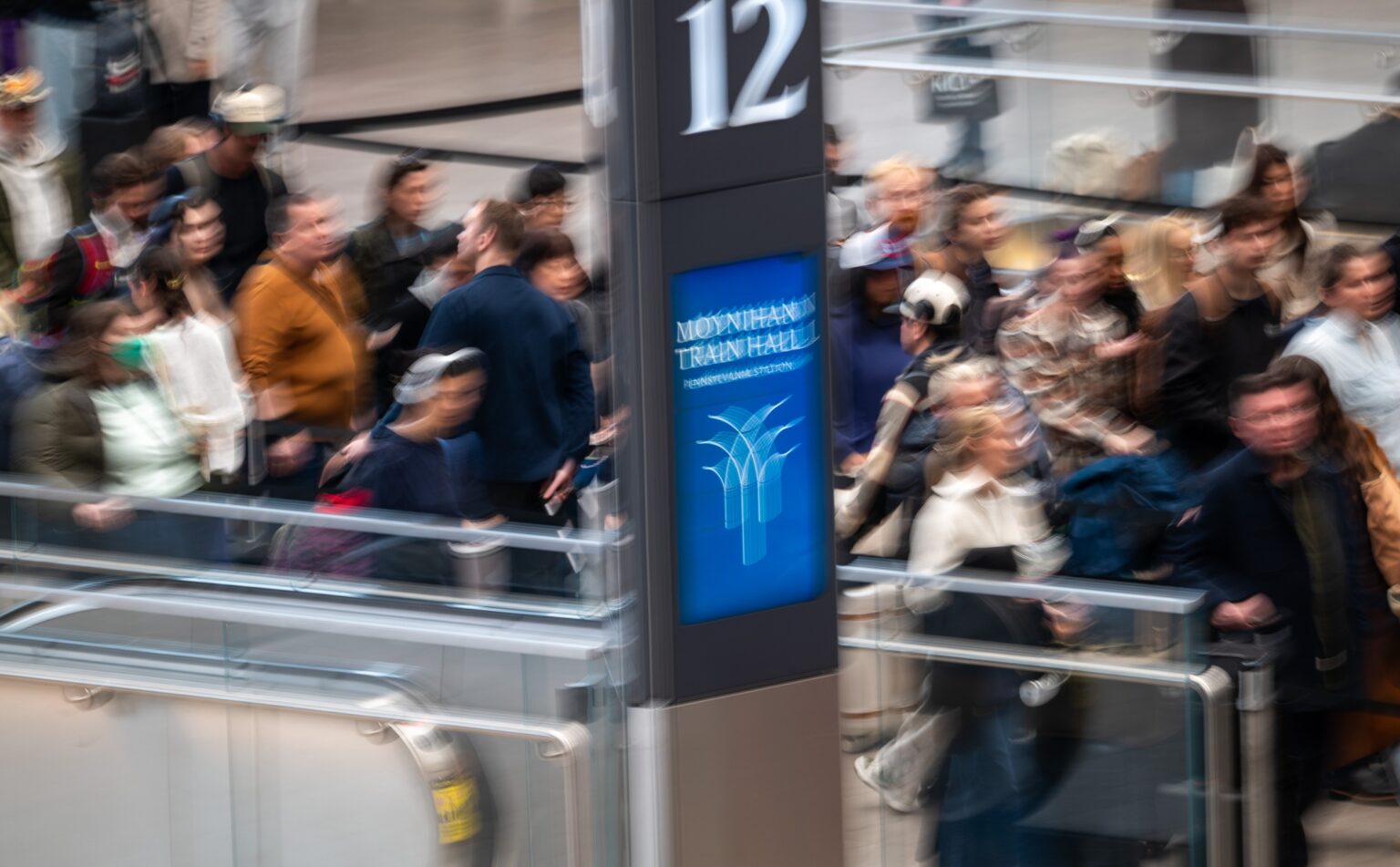
A weather phenomenon known as a polar vortex is likely to hit a large swath of North America this week and into next, potentially disrupting travel for millions of people during the Thanksgiving holiday.
A polar vortex happens when air in the Arctic is destabilized, often by intruding warming air currents, and moves extreme cold air southward. The type of polar vortex this current system could become is known as a “sudden stratospheric warming” event — if it indeed comes to pass, this would be the earliest instance of it happening during a winter season on record.
The polar vortex will likely hit parts of western and central Canada, and could later move on to eastern parts of the country as well. It’s also expected to stretch over much of the U.S., “including northern parts of the Pacific Northwest, the Great Plains, parts of Texas, and the interior Mid-Atlantic,” a social media post from the National Weather Service warned.
In New England states, the cold snap could hit after the holiday and into early December, leading to unusual snowfalls in that region during a time when many are traveling back home from Thanksgiving dinners in other parts of the country.
“Below normal temperatures may start as early as November 25, with spatial coverage and confidence increasing during the Nov 26-30 period,” the agency added.
The cold could drop temperatures to levels well below their averages. For example, in Chicago, the city experienced a “high” temperature of 54 degrees on Tuesday. On Thursday, however, it’s expected that number will fall by more than 20 degrees, to a 33-degree high, a level that is 10 degrees cooler than the city’s average high on that date.
The cold weather may not be as frigid as during some past polar vortexes. But the polar vortex could lead to heavy snowfall in some parts of the country, including in the Rockies and the Great Lakes states, which could delay travel plans for people in those areas or elsewhere.
It’s unclear whether this specific weather event is due to climate change or not — polar vortexes happen regularly every two years or so, and this current one appears to be aided by the La Niña phenomenon as well. But a growing body of research suggests that, as the planet warms due to the effects of the climate crisis, the disruption of Arctic air that is the basis of a polar vortex may become more common and/or more severe.
A study published in 2021, which observed data from 1980 through the next four decades, found that “climate change is favorable for increasing Arctic polar vortex stretching events,” the National Oceanic and Atmospheric Administration’s (NOAA) Climate Program Office noted in a blog post that year.
This article was originally published by Truthout and is licensed under Creative Commons (CC BY-NC-ND 4.0). Please maintain all links and credits in accordance with our republishing guidelines.