
Published on
November 27, 2025

Located in the beautiful North-West part of Bulgaria, Vratsa is showing that culture is not only an artistic endeavor but also an economic strategy. Vratsa, with its rich past and beautiful nature, is using its cultural assets to position itself among the top tourist attractions in Bulgaria. The cultural program of Vratsa, a medium-sized city with a population of just over 66,000, is gradually making a loud noise and drawing in both international travelers and visitors from all over the country. The municipality’s cultural investments are aimed at increasing the flow of tourists and the local economy at the same time.
A Cultural Turnaround in Vratsa
In an effort to revitalise the city, the local government has made a bold move by significantly increasing its cultural budget. Alexander Vladimirov, the Deputy Mayor for Culture, revealed that this year’s cultural budget had been quadrupled, a decision that was not without controversy but has proven to be a catalyst for change. This investment has seen an impressive surge in the number of cultural events and an increase in the number of tourists arriving in Vratsa.
From January to September 2025, Vratsa organised over 80 cultural events, ranging from traditional festivals to international collaborations. According to official data, the city has seen a rise in the number of foreign visitors and an influx of tourists from major Bulgarian cities like Sofia, Plovdiv, and Varna. These tourists are no longer simply passing through, many are visiting Vratsa specifically to experience its cultural offerings.
The impact is clear: not only has the city gained recognition for its cultural endeavours, but Vratsa’s positive media image is also growing. This is a significant shift for a region previously not known as a top tourist destination.
Vratsa’s Symphony Orchestra: A Cultural Jewel
One of the cornerstones of Vratsa’s cultural revival is the Vratsa Symphony Orchestra, or Simphonieta-Vratsa. Under the direction of Maestro Christo Pavlov, the orchestra has flourished. Once on the verge of disbandment, the orchestra has now become one of the best in Bulgaria. The municipality’s investment in the orchestra has been pivotal, providing a space for music lessons and performances that attract visitors from all over.
The orchestra’s success story exemplifies the power of perseverance and local investment. Vladimirov highlighted the importance of supporting local initiatives and fostering creativity, noting that the orchestra’s musicians come from diverse backgrounds, reflecting Vratsa’s commitment to promoting cultural tolerance and unity through music.
The orchestra is not only about music, it’s also about building bridges. Musicians from countries such as Russia, Ukraine, and the United States work together in harmony, a testament to the power of art in overcoming divisions. This inclusive approach is central to Vratsa’s broader cultural mission.
Celebrating Cultural Diversity
Vratsa’s investment in culture is not limited to local initiatives. The city has also embraced international diversity by hosting National Days weekends, celebrating various countries’ cultures. These events, organised in collaboration with local businesses and foreign diplomatic missions, have become a highlight in the city’s cultural calendar. So far, Vratsa has hosted Italian Days, Greek Days, Spanish Days, and more, with each weekend offering a deep dive into the culture, cuisine and traditions of the featured country.
Local businesses actively participate in these celebrations, with restaurants adjusting their menus to reflect the guest country’s cuisine and venues decorated to immerse visitors in the experience. Children’s performances, farmers’ markets, and live music from international artists round off these culturally enriching weekends.
Yet, while Vratsa embraces the world, it remains steadfast in its commitment to preserving Bulgarian traditions. One of the city’s largest events, the National Folklore Festival Ledenika, showcases the vibrant folk culture of northern Bulgaria. The festival’s highlight is a traditional Bulgarian wedding, staged on the second day of the event, where the city’s mayor officiates a ceremony in full traditional costume. This is a unique way to celebrate Bulgarian heritage while also attracting visitors to Vratsa to witness the traditions firsthand.
Tourist Destinations in Vratsa
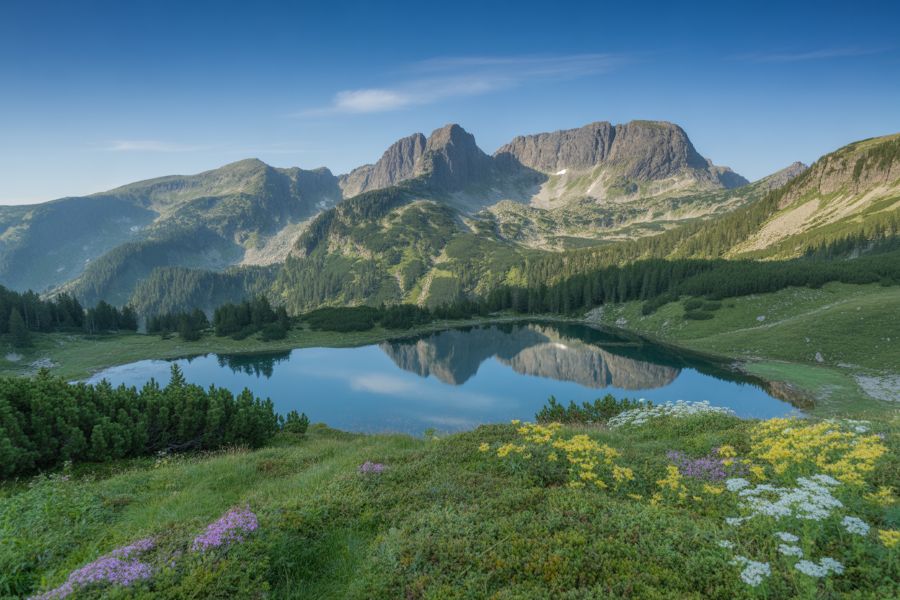
Vratsa is not only about its cultural festivals and events. The region’s natural beauty and historical sites provide an exceptional backdrop for tourists seeking both adventure and history.
Some of the must-visit destinations in Vratsa include:
- Ledenika Cave: Known for its stunning stalactites and stalagmites, this cave is one of the most visited natural landmarks in Bulgaria.
- Botev Peak: Part of the Balkan Mountains, it offers breathtaking views and is popular with hikers.
- Vratsa Historical Museum: A great place to explore the region’s rich history, from ancient times to the modern era.
- The Backo Vrah Reserve: A nature reserve that features untouched landscapes and diverse wildlife, ideal for outdoor enthusiasts.
- The Vratsata Gorge: A scenic landmark with dramatic cliffs that attracts climbers and nature lovers.
By investing in cultural events and enhancing its tourist infrastructure, Vratsa is positioning itself as a top-tier cultural destination, combining nature, history, and the arts. The city’s efforts to integrate local and international cultural elements are clearly resonating with visitors, bringing new economic opportunities to the region.
The Path Forward for Vratsa
Looking ahead, the municipality plans to expand its cultural offerings even further. The aim is to attract more international visitors while maintaining the city’s cultural roots. With initiatives like the National Days weekends and a growing repertoire of cultural events, Vratsa is on track to become a key player in Bulgaria’s tourism sector.
The city of Vratsa is determined to draw in tourists at the cost of its cultural identity and ecological areas. The long road ahead has been paved with today’s cultural investments. The future of Vratsa is bright, and it is evident that culture plays the main role in revealing the city’s whole potential.
