
 knisja.mt
Archbishop Charles Scicluna warned that ignorance and greed constitute the greatest enemies of Malta’s natural and historical heritage, describing avarice as a form of spiritual blindness that blinds individuals to their own mortality and the sacred duty to preserve God’s creation for future generations.
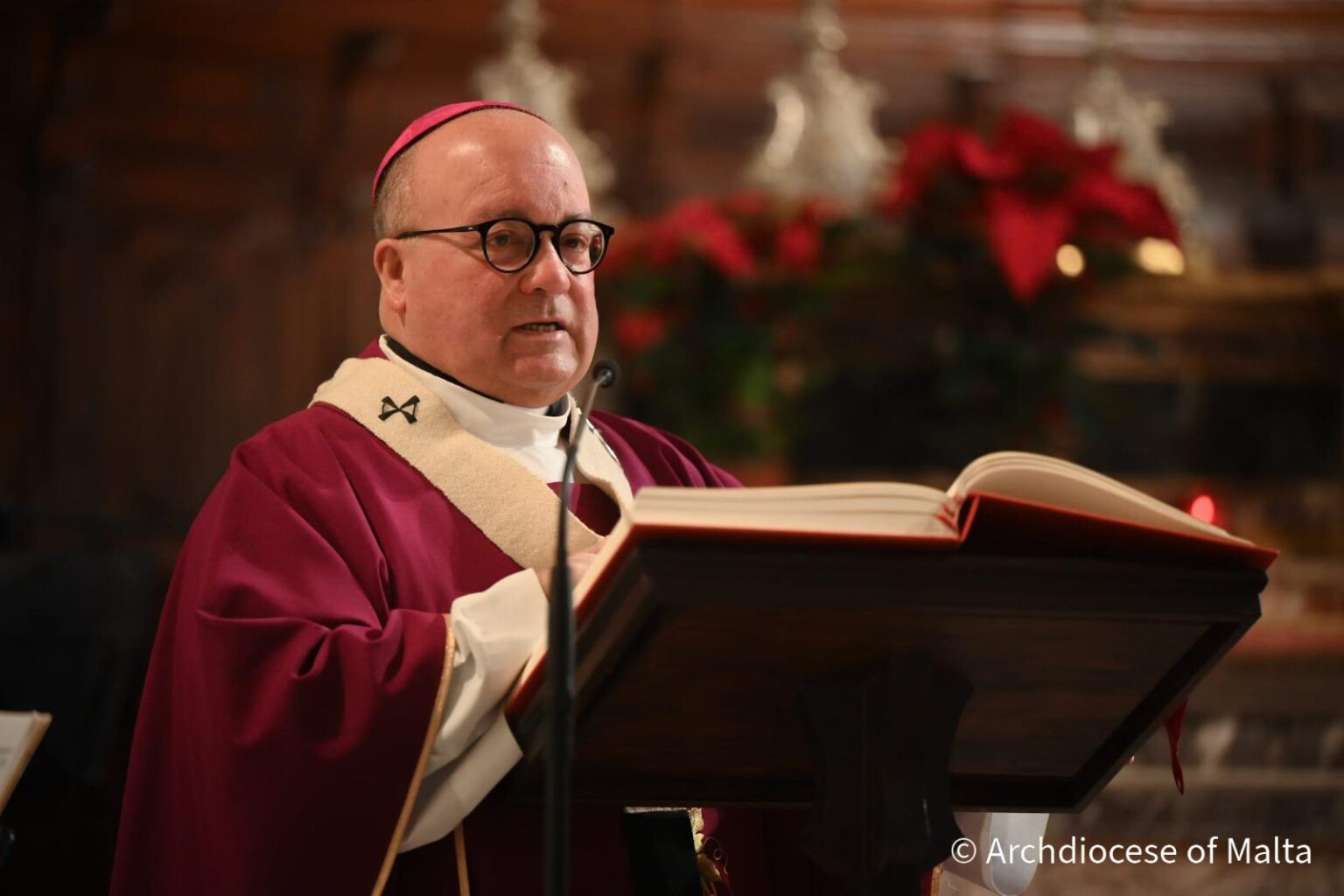
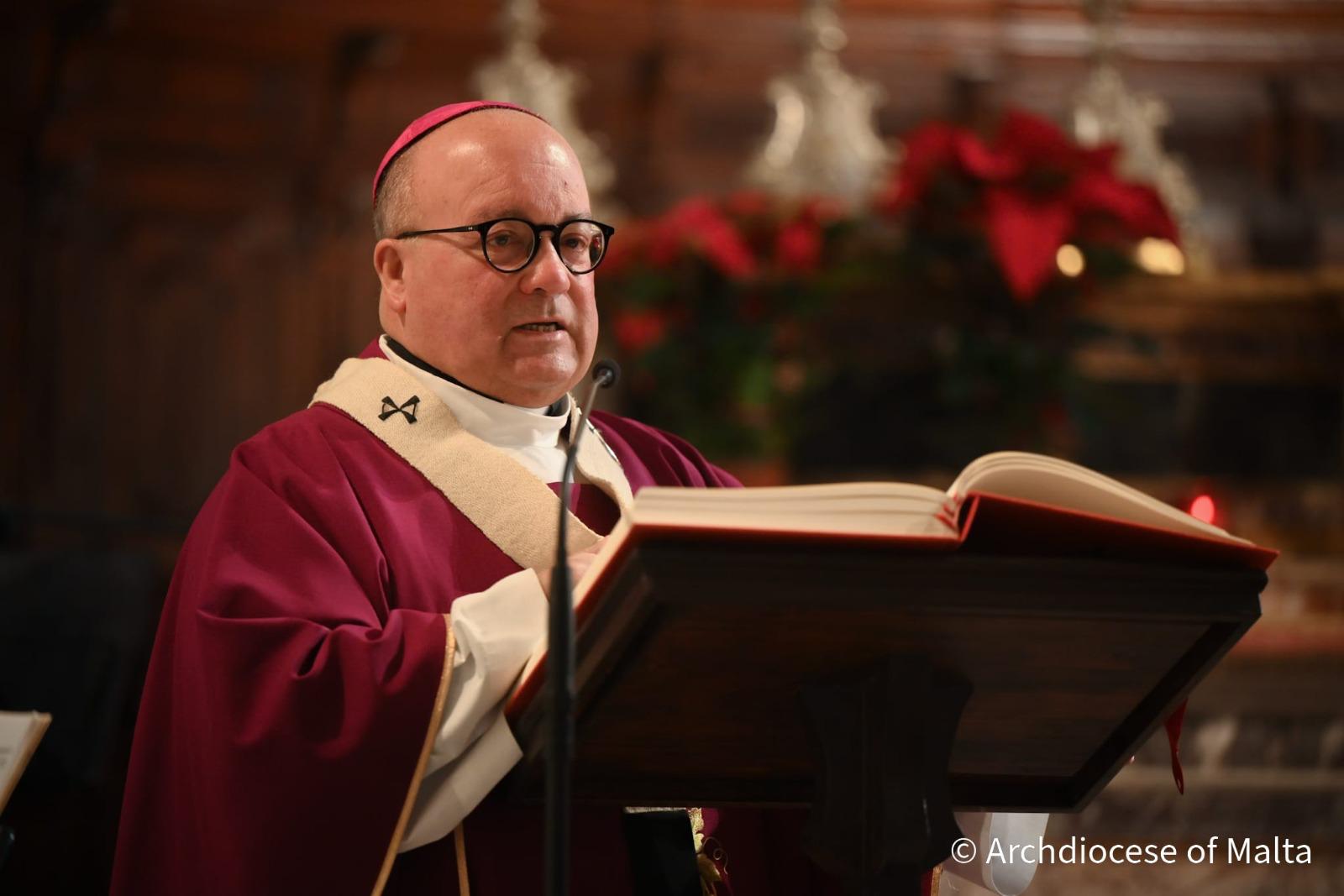
In a homily during First Sunday of Advent Mass at the Chapel of Victory in Valletta, marking the 60th anniversary of heritage organisation Din l-Art Ħelwa’s foundation, the Archbishop praised the organisation as “a page of glory” in Malta’s history, commending members as “children of light” who have dedicated themselves to defending, preserving and restoring the nation’s patrimony with courage and generosity.
Archbishop Scicluna recounted a sobering incident from shortly after Independence when a contractor near Xagħra, Gozo, discovered the Neolithic Ġgantija temples and began dismantling the prehistoric stones for construction materials, viewing the site as convenient ready-cut building blocks.
Only intervention by the British Governor, who wrote to Prime Minister Ġorġ Borg Olivier urging protection of the archaeological treasure, prevented wholesale destruction of one of the world’s oldest free-standing structures.
“This incident confronted me with the tragedy of ignorance, and the humiliating fact that foreigners appreciated what we possessed more than we ourselves were capable of appreciating,” Archbishop Scicluna reflected, emphasising how this historical episode illuminates perils that persisted six decades ago and dangers Malta narrowly escaped through initiatives like Din l-Art Ħelwa.
The Archbishop warned that while ignorance posed grave threats historically, contemporary Malta faces an equally insidious enemy: “If not ignorance, it is greed, or the mixture of both, which are the greatest enemies of our heritage and our country, ignorance and greed.”
Drawing upon scriptural wisdom and Pope Francis’s teaching that “the shroud has no pockets,” the Archbishop characterised the avaricious as profoundly ignorant, blinded by dual delusions: firstly, that they shall not face mortality, and secondly, that earthly possessions accompany souls beyond death’s threshold.
“The greedy person is the greatest ignorant, because firstly he thinks he will not die, and also thinks he will take everything with him,” the Archbishop proclaimed.
This spiritual diagnosis resonates powerfully amidst Malta’s overdevelopment crisis, where rapid construction, driven substantially by property speculation rather than genuine housing needs, devours agricultural land, destroys green spaces, and threatens archaeological sites. Heritage advocates warn that economic interests systematically trump environmental and cultural preservation, with planning authorities operating under a “business first” mindset that sacrifices built and natural heritage for profit.
Archbishop Scicluna situated his exhortation within Advent’s eschatological framework, reminding faithful that Christ “will come in glory” as professed in the Nicene Creed, proclaimed anew in Greek by Pope Leo XIV and Ecumenical Patriarch Bartholomew I at Nicaea on 28 November. The prelate emphasised Christian life’s dimension of vigilant expectation, quoting Christ’s parable likening His return to a thief arriving unexpectedly.
He concluded by urging Din l-Art Ħelwa to secure its future through engaging younger generations of passionate volunteers, praying for wisdom and enlightenment as invoked in Malta’s national anthem.

