
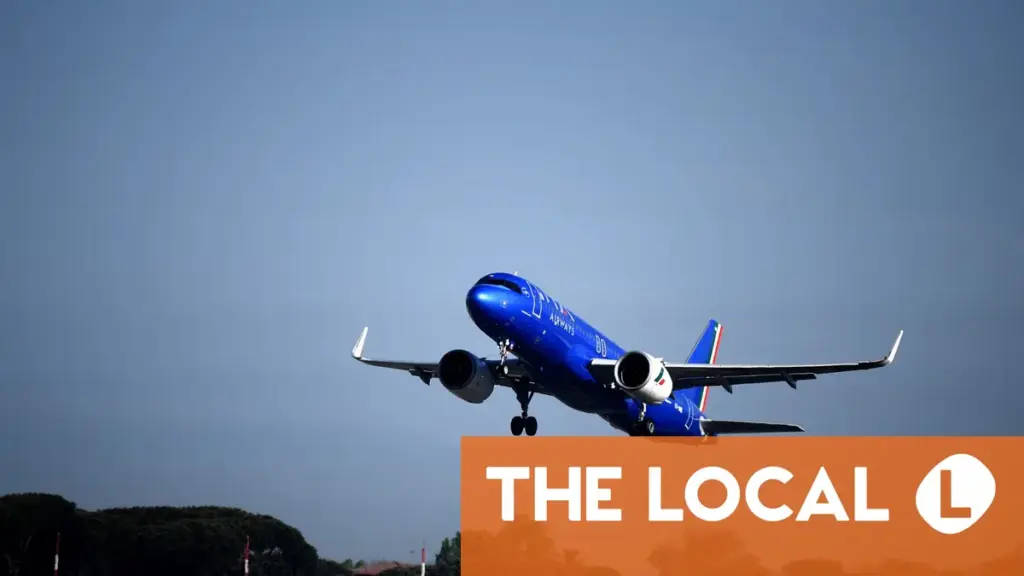
From updated visa and passport requirements to new flight and train routes, here are the major changes you should know about if you are travelling to or from Italy in 2026.
EU visa and passport changes
The EU’s long-delayed border control scheme known as Entry/Exit System (EES) is due to complete its rollout out by April 2026.
Meanwhile the EU visa waiver programme known as the European Travel Information and Authorisation System (ETIAS) is set to launch by the end of 2026.
You can find a detailed guide to EES and ETIAS HERE, but here’s a quick breakdown:
EES – EES is an enhanced biometric passport check designed to replace manual passport stamping.
It launched on October 12th with a six-month phased rollout, and should be operational at all external EU checkpoints by April 10th, 2026.
READ ALSO: Q&A: How do new EES border checks affect travel to Italy?
When non-EU travellers first enter the Schengen area, they need to register with the EES by sharing their name, biometric data (fingerprints and face scan) and the date and place of entry and exit.
This data is temporarily retained, so passengers will only need to re-register once every three years. EU citizens and residents are exempt.
ETIAS – ETIAS is an online visa waiver required for tourists and other visitors to the EU/Schengen zone, similar to the US’s ESTA.
The system is currently due to launch in the last quarter of 2026.
Advertisement
The latest proposed fee is €20, up from an original €7, though the authorisation is free of charge for people aged over 70 and under 18s.
Once granted, it will be valid for three years.
UK travel
Like the the EU’s ETIAS scheme, the UK’s Electronic Travel Authorisation (ETA) is a visa waiver required for anyone entering the country on a non-UK or non-Irish passport.
The authorisation costs £16 (around €18), and lasts for two years.
It’s advised to apply for it at least three days in advance of travel, although the UK government says that “most applications are processed in minutes”.
The scheme has been in place since April 2025, but UK government officials recently said they will start barring people who don’t have one from entering the country starting in February 2026.
READ ALSO: Do I need an ETA visa for my Italian spouse or children?
Advertisement
New flight routes
People travelling to or from Italy will have more flight options in 2026, as a number of international airlines have announced new direct routes to some of the country’s most popular destinations.
These include the first-ever direct connection between the US and the Italian island of Sardinia, which Delta Airlines is set to launch in May.
READ ALSO: LISTED: The new flights to and from Italy in 2026
Meanwhile Irish budget airline Ryanair will open a new base at Trapani’s Birgi airport, western Sicily, in January, with plans to operate 11 new routes to a range of European destinations.
Venice entry fee 2026 calendar
Venice is set to expand its contested entry fee scheme to 60 days in 2026, up from 54 in 2025 and 29 in 2024.
The scheme is set to start on April 3rd and end on July 26th, with day trippers required to pay for access to Venice’s centro storico (historical centre) between 8.30am and 4pm on peak days.
You can find the dates when the entry ticket will be required on the city council’s website here.
Advertisement
High-speed rail links to Germany and Austria
Trenitalia’s famed Frecciarossa (‘red arrow’) high-speed trains are set to operate new international routes to Austria and Germany starting in 2026, following an announcement from national rail operator Ferrovie dello Stato Italiane (FS Group) in May.
A new route connecting the northern metropolis of Milan with Munich is expected to take 6.5 hours, with stops in Brescia, Verona, Rovereto, Trento, Bolzano and Innsbruck.
And a Rome-Munich line taking in Florence, Bologna, Verona, Rovereto, Trento, Bolzano and Innsbruck is expected to take 8.5 hours.