
A not-so-glowing attribute of American democracy is the ability of voters to act shocked and blame whoever is in charge when things don’t go well. So, it makes twisted sense that, as 2026 approaches, the Trump administration should pay the political price for bad energy policies inherited from the Biden administration and Democratic governors.
Years of flat energy demand and relatively stable electricity prices dulled Americans’ understanding of energy economics. Now, new data center demand, the end of cheap natural gas, and President Joe Biden’s policy of replacing baseload nuclear and coal power with wind and solar have screwed up electricity price signals enough to shred household budgets and stun homeowners — just in time for winter.
The numbers are as stark as a slate-gray November sky. Household spending on electricity for heating is expected to rise 10% this winter to more than $1,200. Utilities requested a $29 billion rate increase in the first half of 2025, double last year’s rate rise. Residential electricity rates rose 6.6% year-on-year as of June 2025, according to Utility Dive, after already rising nearly 30% between 2021 and 2024.
The causes of these electricity increases are multifaceted, yet, as a policy brief from the National Center for Energy Analytics reveals, subsidies to wind and solar are major culprits. Subsidies like the federal Production Tax Credit (PTC) distort electricity markets by artificially lowering prices, sometimes into negative territory, forcing otherwise competitive but unsubsidized generation out of the market.
Interestingly, the study found that the argument that increasing demand from the data center buildout is causing increases in average rates is not supported by the facts. The state of Virginia has built the large majority of data centers in the past two years, yet Virginia’s ratepayers have experienced below-average price gains and still pay below-average electricity rates.
The Big Beautiful Bill, passed by Congress in July, partially solved some of these market-signal problems by accelerating the phase-out of wind and solar projects to the end of 2027, but that fact can’t heat the homes of families making hard choices every day during the winter of 2025-26.
Leaving bad energy policy for the Trump administration to fight may be good politics for Democratic governors like those in California and Massachusetts. Still, if the United States is going to win the future, we have to put in place permanent policies that a subsequent White House occupant won’t overturn.
And some states do their energy policies better, and not just carbon rich states like Texas or Kentucky that have some geologic largesse. States like Indiana, which imports energy from other states, have slowed coal retirements through legislative action, passing laws requiring utilities to demonstrate grid reliability before replacing coal with renewables.
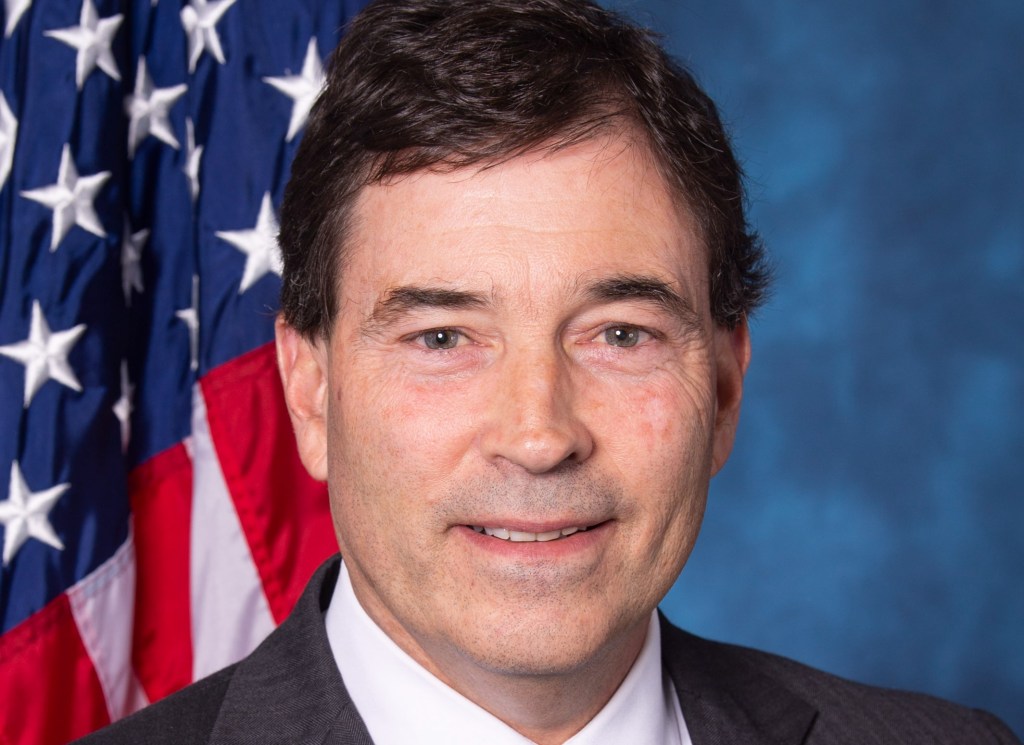
And some states are doing even more. Republican governor Jeff Landry of Louisiana has signed sweeping legislation aimed at reducing energy costs and unleashing energy affordability to its rate payers across the states and countries that it feeds. And on the federal level, Congressman Troy Balderson is trying to make affordable, reliable, clean-energy security the federal standard.
Energy production should be a kitchen-table issue, but with a longer lead time than the current election cycle. We should be able to pay less to get more. The Trump administration is doing more in that regard than any administration in history. Opening Alaska, easing leasing restrictions on federal land, and cutting subsidies for EVs and renewables are nice. In the meantime, states and the federal government must step up.
In the end, we’re all worm food, but until then, people — especially Americans facing the winter season — have things to do, dreams to achieve, and go places where futures can thrive.
Here’s to a more affordable 2026.
William Murray is a former chief speechwriter for the Environmental Protection Agency. This article was originally published by RealClearEnergy and made available via RealClearWire.