
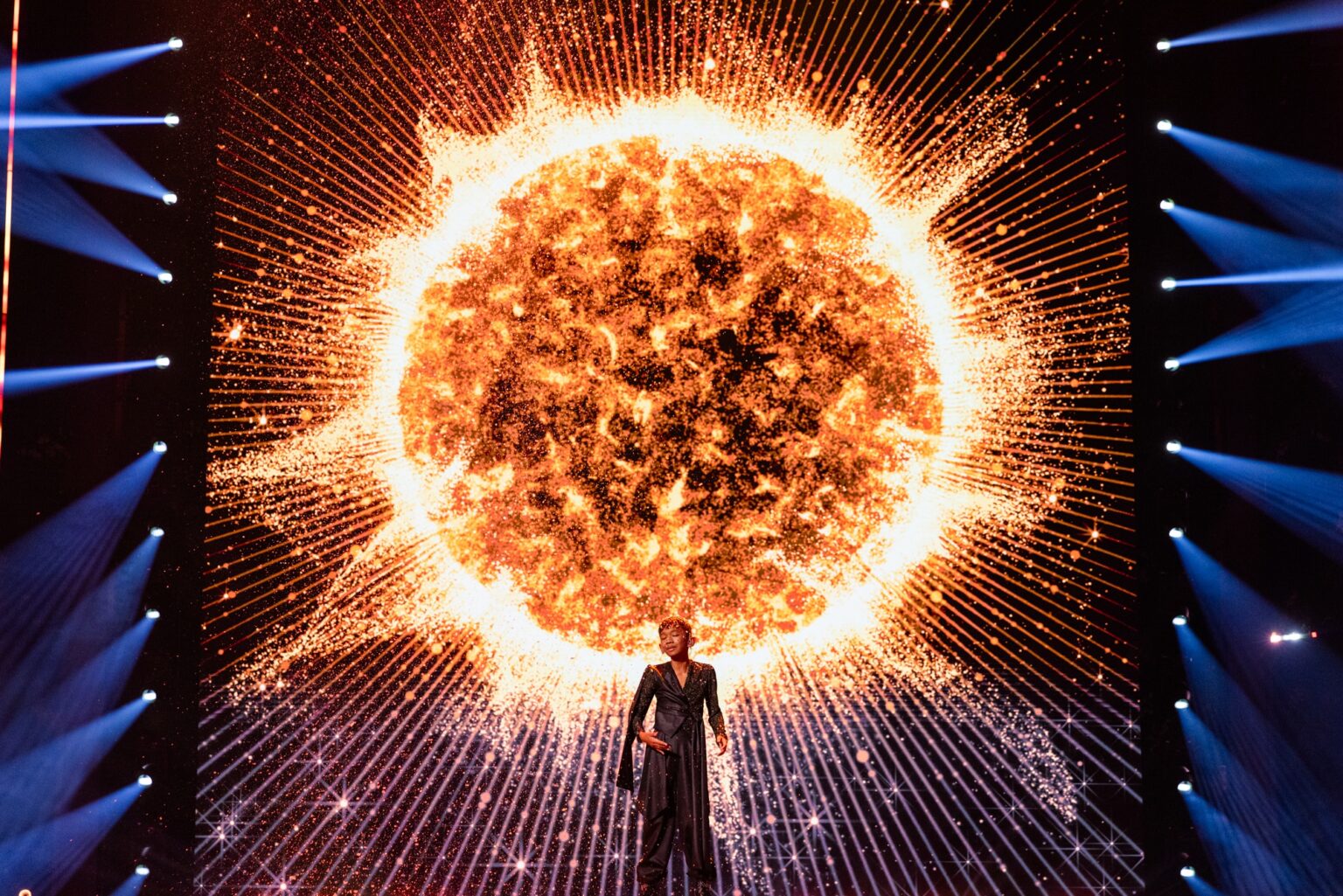
Malta is one of the 18 competing countries at the Junior Eurovision Song Contest 2025 in Tbilisi this coming Saturday. Their artist, Eliza Borg, will perform “I Believe” in slot number 1 during the show.
Copenhagen 2003
Malta’s history at Junior Eurovision started at the very beginning as they were successful in being chosen to participate in the opening contest in Copenhagen. As the rules included restrictions on performing in other languages besides a country’s native language, Malta had one of only two entries in English alongside the United Kingdom, a far cry from the dominance of the English language in the adult contest.
Malta were represented by Sarah Harrison with the song “Like a Star”, who won the first Junior version of Song for Europe. They did very well in their first attempt, earning 7th place out of 16 and securing 10 points from Denmark and the United Kingdom.
Lillehammer 2004
Motivated by a strong start, Malta remained loyal to the contest and sent a second entry in 2004. This time, Young Talent Team were the chosen artist with the entry “Power of a Song”. They were selected from a field of 16 in Junior Song For Europe 2004. Several of the names within the selection became staple names in attempting for the adult contest, including Christabelle, who we saw for the first time, who eventually represented Malta in Eurovision 2018.
Once more, Malta and the United Kingdom were the only two entries to sing in English. From the second performance slot, Malta couldn’t quite match last year’s efforts, finishing in 12th place overall.
Hasselt 2005
Undeterred, the island nation persisted and a third entry was chosen for the contest in Belgium. For a second time, a group was chosen to represent Malta, this time Thea and Friends with the song “Make It Right!”.
This sadly wasn’t to be Malta’s night as they finished in last place, only managing to secure 6 points along with the complimentary 12 points that were awarded to every country at the time as a head start.
Bucharest 2006
Though disappointed with the previous attempt, Malta persisted as other original countries were starting to withdraw. 114 entries were submitted to be Malta’s entry this year before another instalment of Junior Song for Europe took place with 13 finalists. Sophie Debattista was the winner of the selection on her second attempt with the song “Extra Cute”. This year, Malta had the only entry entirely in English.
Malta received at least 1 point from every country apart from Russia and Romania and eventually finished in 11th place.
Rotterdam 2007
A fifth entry came from Malta in 2007 alongside a fifth instalment of Malta Junior Song for Europe. Girl group Cute opened the competition and managed to win the prize and represent the island in the Netherlands, the third group to do so. Their entry was called “Music”.
Once more, Malta had the only entry fully in English and they eventually took 12th place.
Limassol 2008
A sixth showing from Malta came in 2008. This year, they decided to expand the selection to include two semi-finals with 34 entries across them both. Eventually, in the PBS Studios in Valletta, Daniel Testa won the final with the song “Junior Swing”.
Daniel secured Malta’s strongest finish to date when he finished in 4th place in Limassol, with the highest individual score coming from Ukraine, giving Malta 10 points.
Kyiv 2009
Motivated by their best position, Malta returned once more for a 7th try in Kyiv. Their selection show Junior Song for Europe went back to a single final broadcast but the lineup expanded to a list of 20. Francesca and Mikaela were picked from the show to represent Malta.
Their entry “Double Trouble” picked up points from everybody apart from Sweden and finished in another respectable 8th place, marking the second time in a row that Malta had reached the top 10.
Minsk 2010
On a roll of strong results and domestic popularity, for the first time Malta placed a bid to the process of hosting the Junior Eurovision Song Contest in their capital, Valletta. They were bidding against Moscow and Minsk, where eventually the latter was selected.
While unsuccessful in their bid, they also changed their selection show title to Junior Eurosong, still with a 20 entry strong lineup. 6 jury members ranked the songs while a televote was then added to the mix to essentially become the 7th jury member. From here Nicole Azzopardi was selected with the song “Knock Knock!… Boom Boom!”. This was the first entry from Malta to include lyrics in the Maltese language.
On the night, sadly it wasn’t Malta’s best showing as they eventually came 13th of the 14 countries competing.
Kyiv 2013
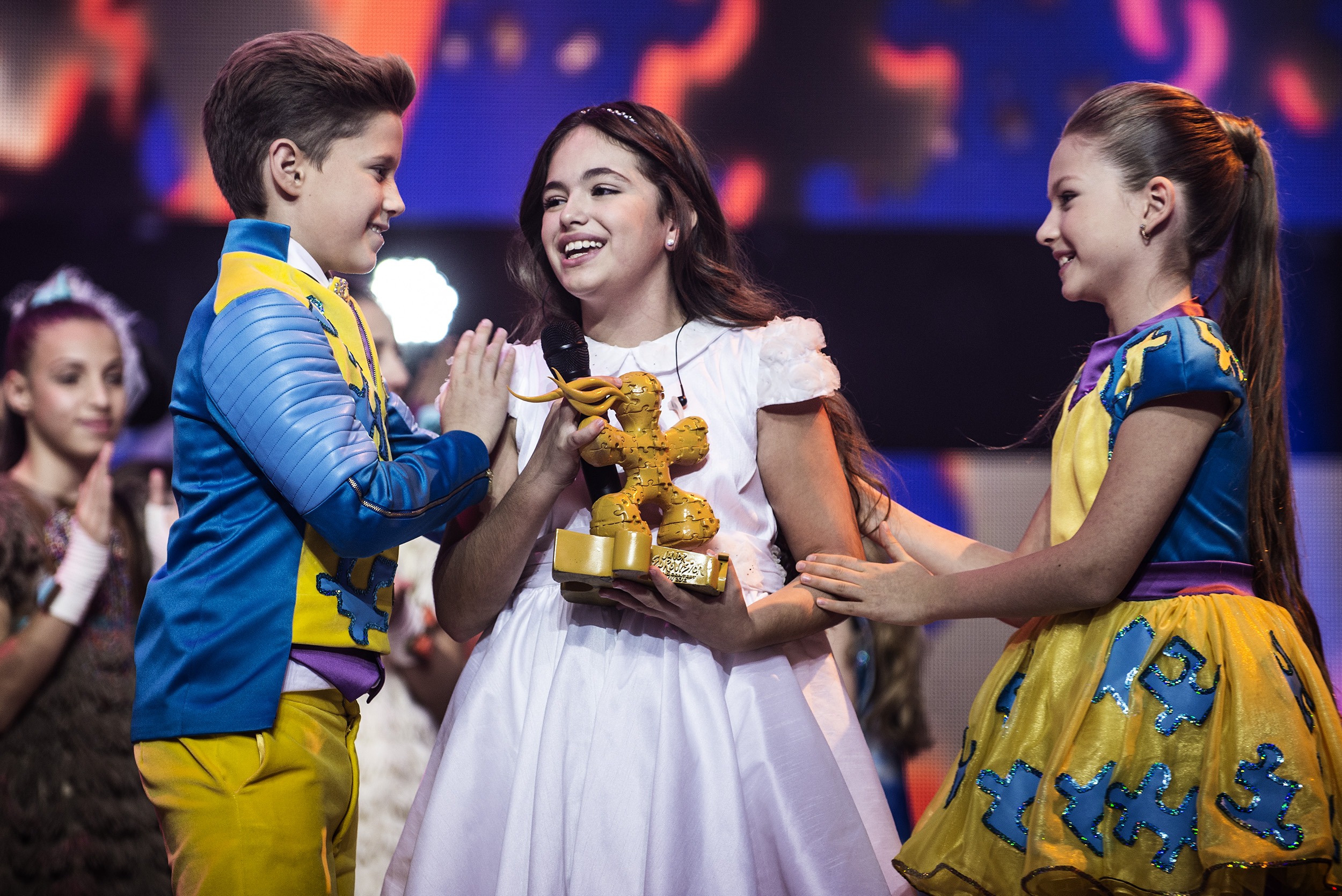 Gaia Cauchi winning Junior Eurovision 2013
After the 2010 contest, Malta eventually decided to depart from the contest momentarily, leaving Belgium, the Netherlands and Belarus as the only countries present in every contest to date. After a 2 year break, the only absence for Malta in Junior Eurovision history, they returned in 2013.
Malta’s return was a late decision by PBS and thus an internal selection was used for the first time. Gaia Cauchi was selected for the contest in Kyiv with the entry “The Start”.
In the smallest contest to date, Malta made history with their first ever win in a Eurovision event with 130 points. They secured 12 points from North Macedonia, Ukraine, Moldova, the Netherlands and the Kids Jury in the process.
Marsa 2014
Fresh from their win, Malta were very keen to prove that they were able to take on hosting duties for the contest the following year, announcing this as early as December 2013. The contest was held in Malta Shipbuilding in the town of Marsa. Owing to the small size of the town and to incorporate surrounding towns and cities, the EBU declared that this year would not have a “host city” but instead this edition would have a “host island”, officially branding the event as “Malta 2014”.
On home soil, for a second year running PBS opted for an internal selection, sending a female artist once more. Federica Falzon represented Malta with the song “Diamonds”. Malta did very well once more and ended in 4th place, even collecting 12 points from Italy.
Sofia 2015
Fresh from hosting in 2014, after Italy decided not to take up the offer from the EBU to host in 2015 after their win, Malta put in a bid to host for a second year. They were eventually outbid by Bulgaria, who came second the year before. Completely in their stride now, PBS returned to a selection show in order to choose their artist. The entry itself was internally selected at a later stage. 20 young artists took part and it was Destiny Chukunyere who was able to win the ticket to Bulgaria with her rendition of the song “Think” by Aretha Franklin.
History was made once more on the night when not only did Malta secure their second win in only three attempts, but they did so with the highest score in Junior Eurovision history to date. Destiny’s entry “Not My Soul” scored 185 points with 12 points coming from Albania, Armenia, Australia, Bulgaria, San Marino, Serbia and Slovenia as well as the Kids Jury.
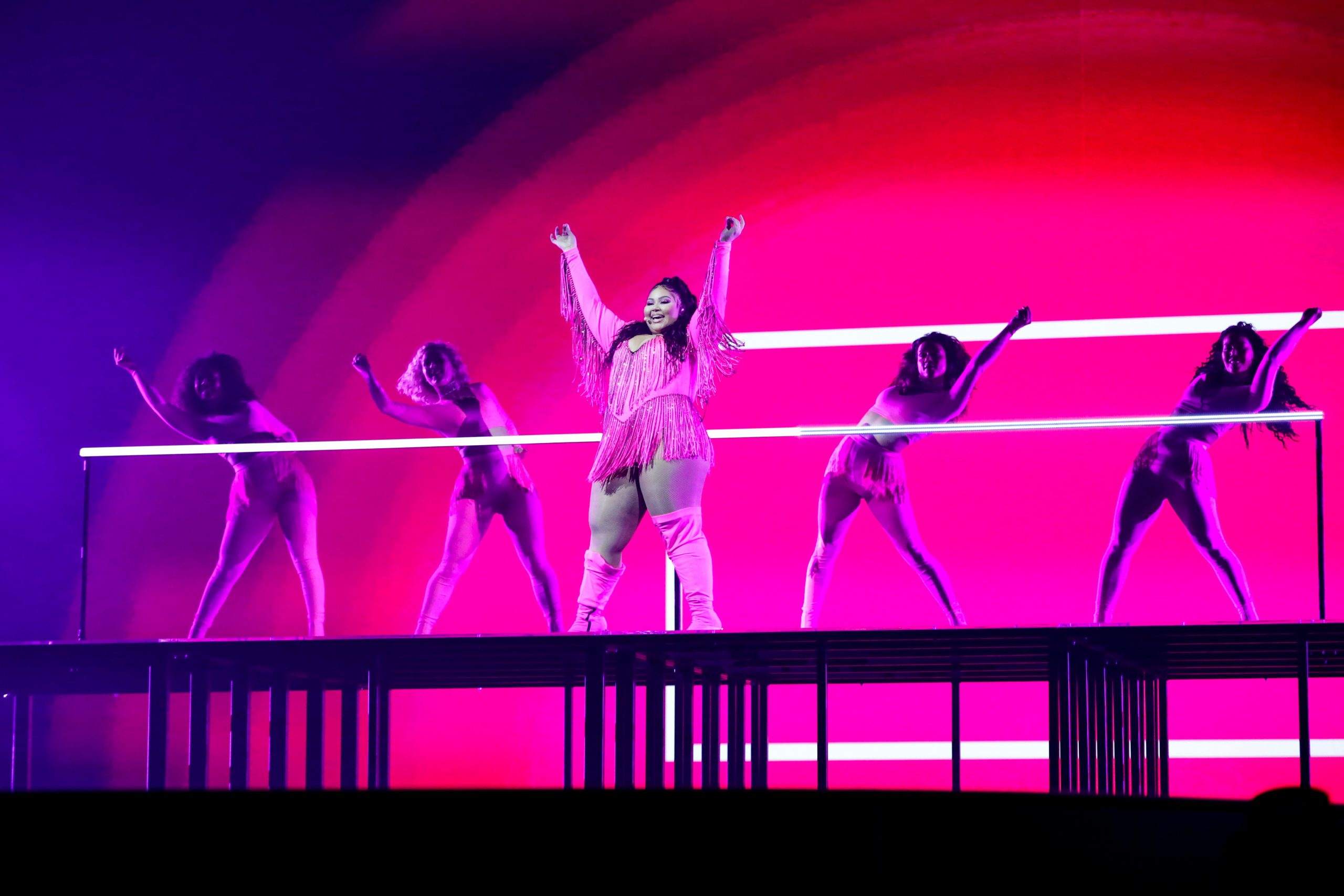 Destiny, Malta. Image Source: EBU / Thomas Hanses
Destiny became a firm fan favourite among the Eurovision community and for a long time had been earmarked as an artist with huge potential at the adult contest. Eventually, Destiny managed to win The X Factor Malta in 2020, which at the time served as the process to find their Eurovision artist, thus making her the second Junior Eurovision winner to eventually compete at Eurovision, after the Tolmachevy Sisters from Russia.
Destiny was due to represent Malta in 2020 with the song “All of My Love”, however the contest was cancelled due to the Covid-19 pandemic. She was later offered the chance to represent Malta in 2021, which she accepted. Malta came 7th with the song “Je me casse”, their best showing in 16 years.
Valletta 2016
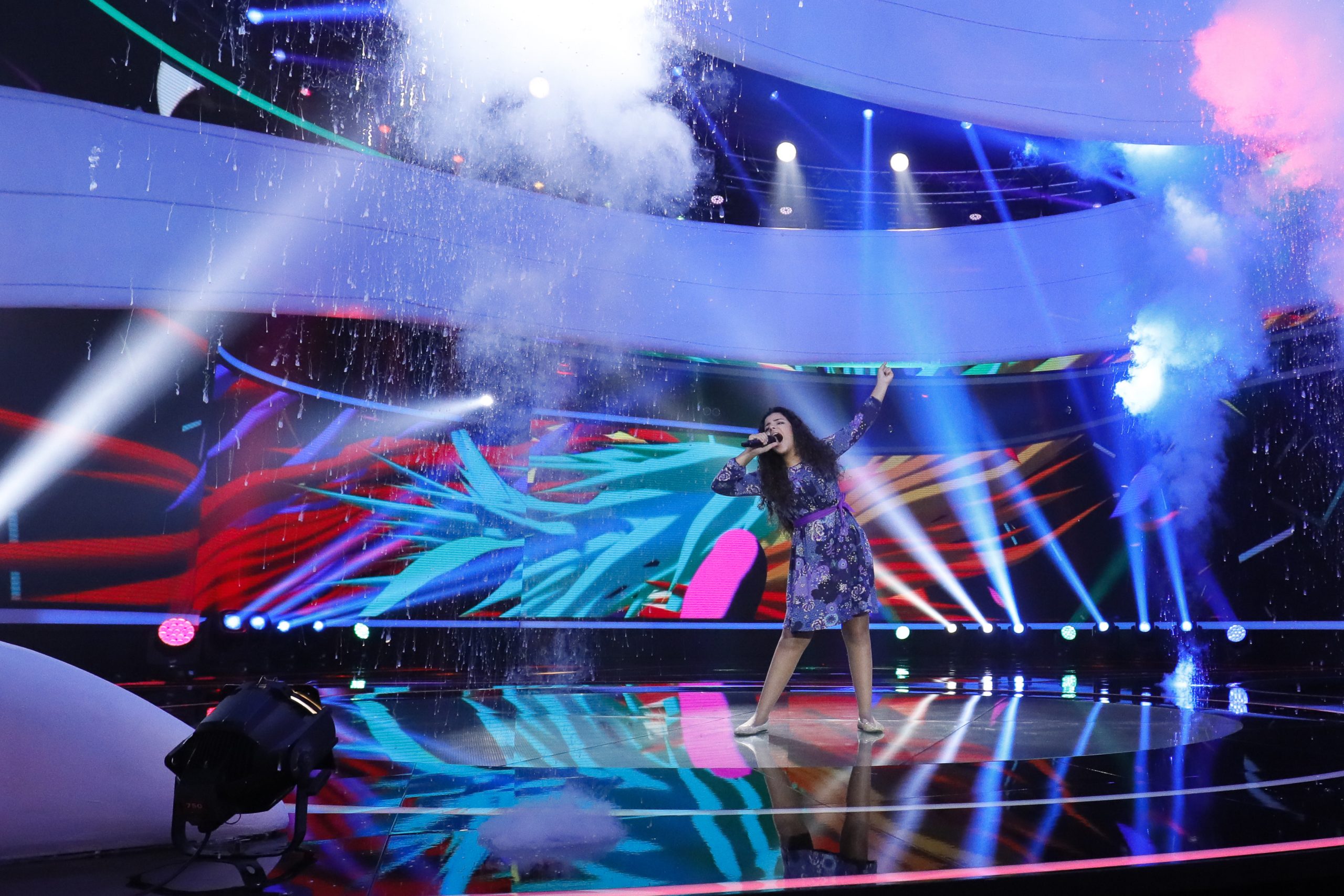
With a second win under their belt, Malta expressed interest in hosting the contest for a third year in a row. They were confirmed as the hosts in April 2016 when the contest moved to their capital Valletta. The event was slightly scaled back compared to their previous event, as they held it in the Mediterranean Conference Centre, which had a capacity of approximately 2,000. This was also the first contest under a new time slot, with the contest being moved from a Saturday evening broadcast to Sunday afternoon.
Malta Junior Eurovision Song Contest returned once more under the new format of selecting the artist. This was won by Christina Magrin, the 4th female artist for Malta in row, who impressed the jury and the public with her cover of “No More Tears”.
With the internally selected entry “Parachute”, Christina performed on home soil and earned a respectable 6th place. In the process, she earned 12 points from the adult jury of Australia and the kids juries of Albania and Italy.
Tbilisi 2017
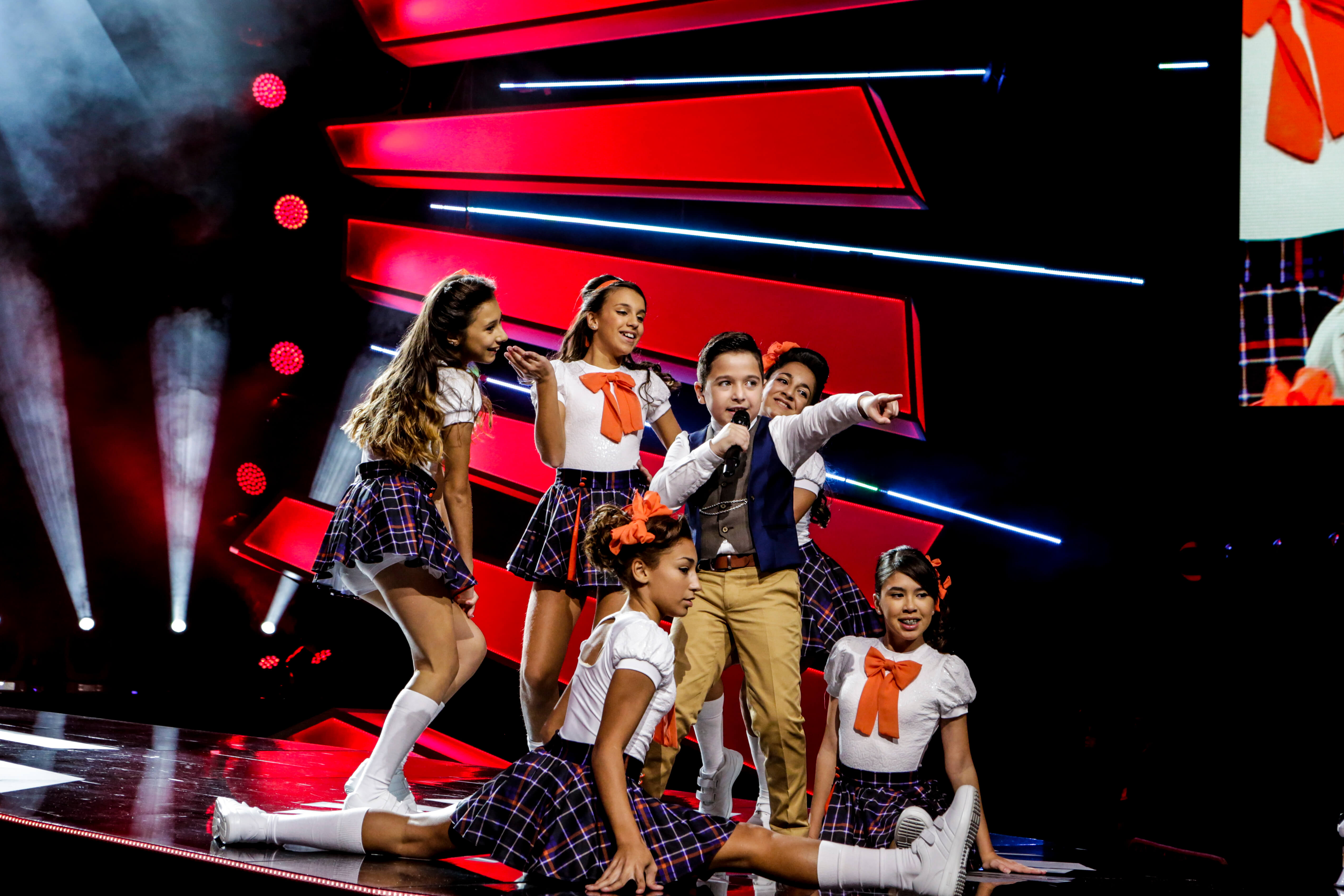 Gianluca Cilia. Malta’s first rehearsal. Image source: Thomas Hanses | EBU
A 13th entry came from Malta in 2017 when the contest moved on from Malta to Georgia. At only 9 years old, Gianluca Cilia was able to win a scaled down Malta Junior Eurovision Song Contest with a performance of “Perdere l’amore”. He became the first male artist for Malta since their return.
Gianluca performed the song “Dawra Tond” for the contest, only the second entry to include Maltese lyrics and the first one with a Maltese song title. Despite being a firm fan favourite to win, Gianluca finished in 9th place, just reaching top 10.
Minsk 2018
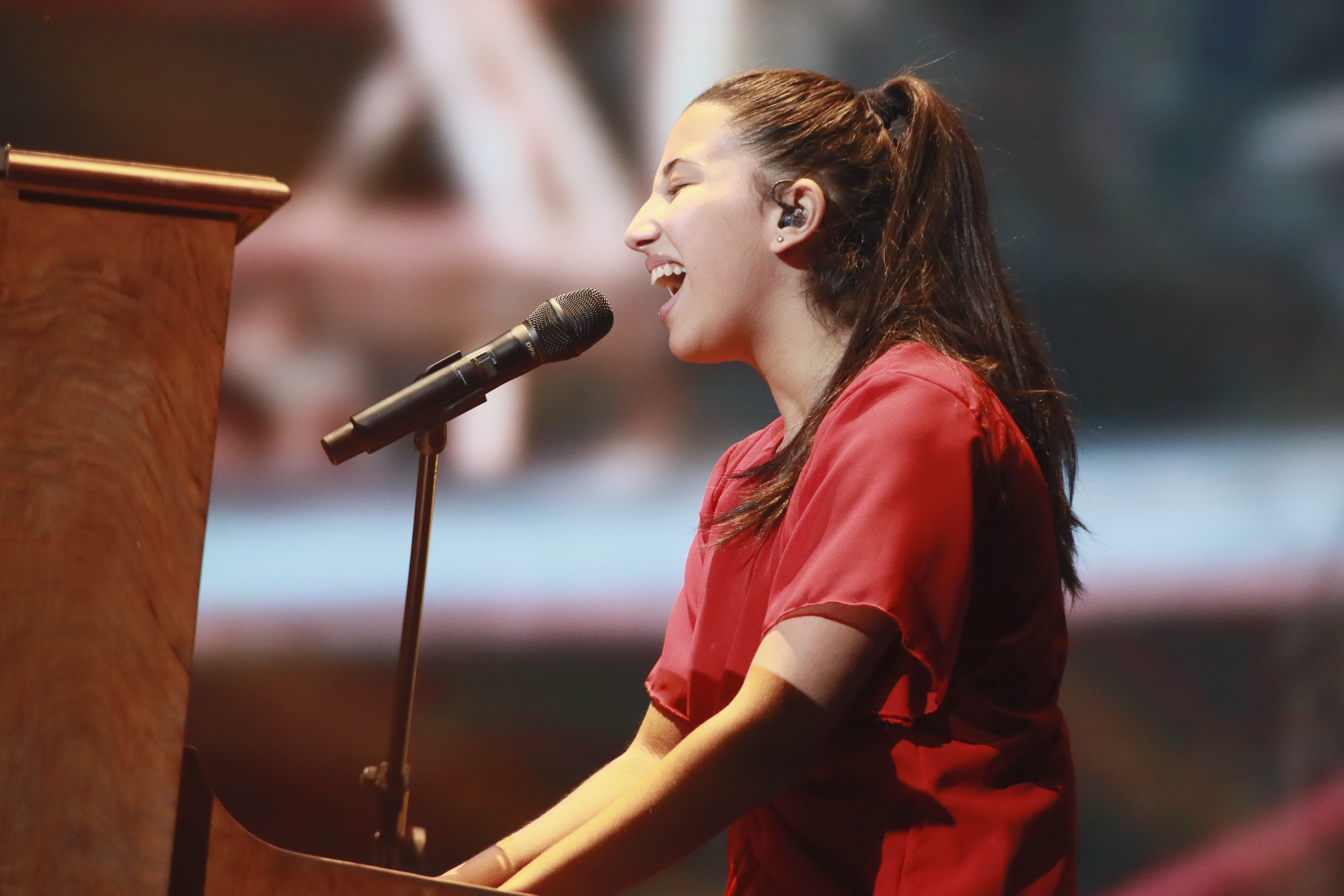 Image Source: Andres Putting
Still loyal to the contest, Malta were present for a 14th appearance in 2018. This time they reverted back to the entry and artist being selected by Malta Junior Eurovision Song Contest. 16 artists took part in this and singer Ela Mangion won with her song “Marchin’ On”.
Ela secured Malta a top 5 finish once more at the contest, collecting 12 points from Georgia and Australia and reaching 5th place with 181 points.
Gliwice 2019
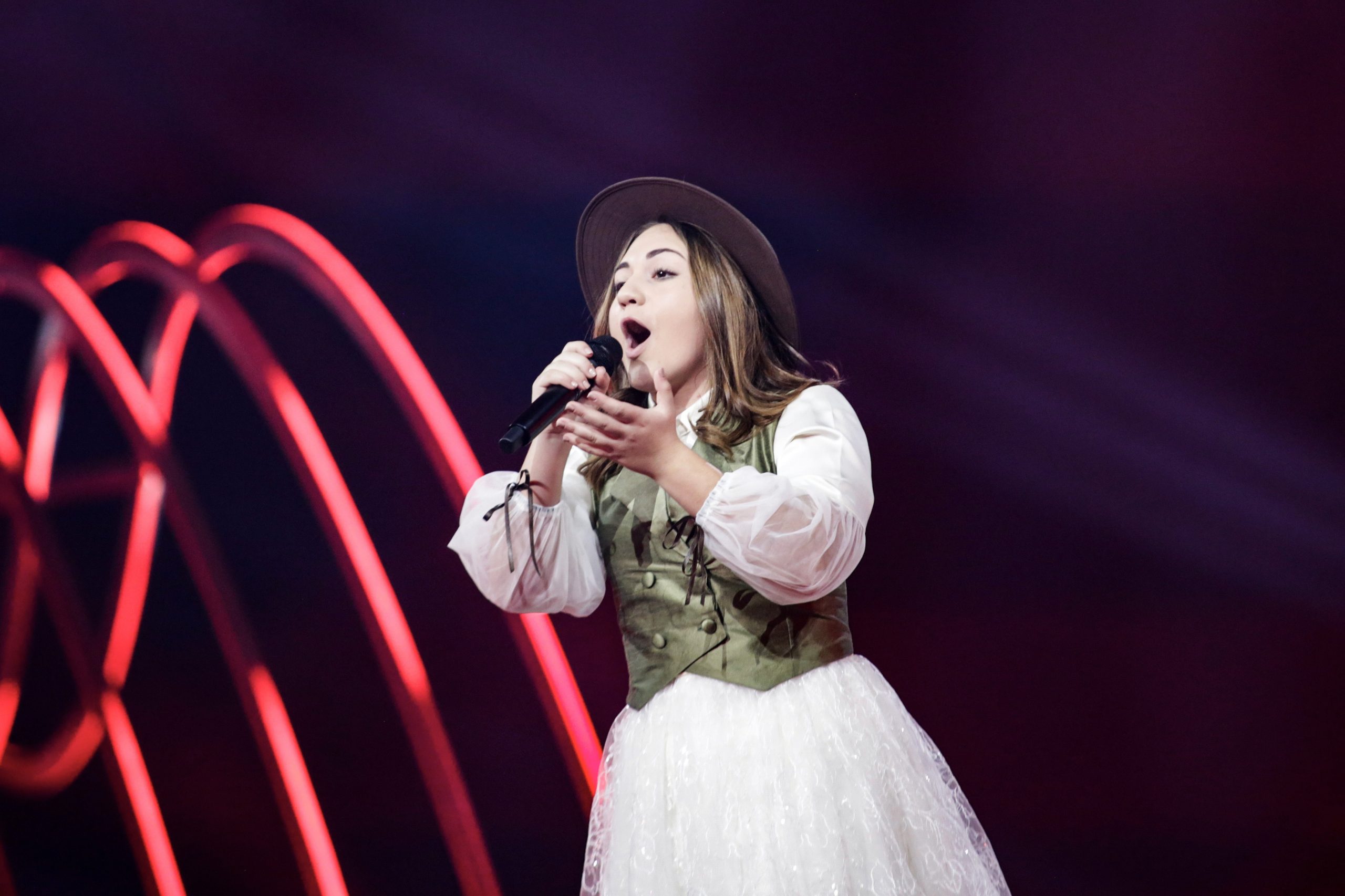 Image Source: Thomas Hanses
An impressive 15th attendance came in 2019. Once again, Malta reverted to Malta Junior Eurovision Song Contest being a covers based competition to select the singer only. The final was a reduced lineup of 10, where Eliana Gomez Bianco won with her cover of “Sto male”.
Eliana performed the song “We Are More” in Gliwice, where unfortunately she finished in 19th and last place.
Warsaw 2020
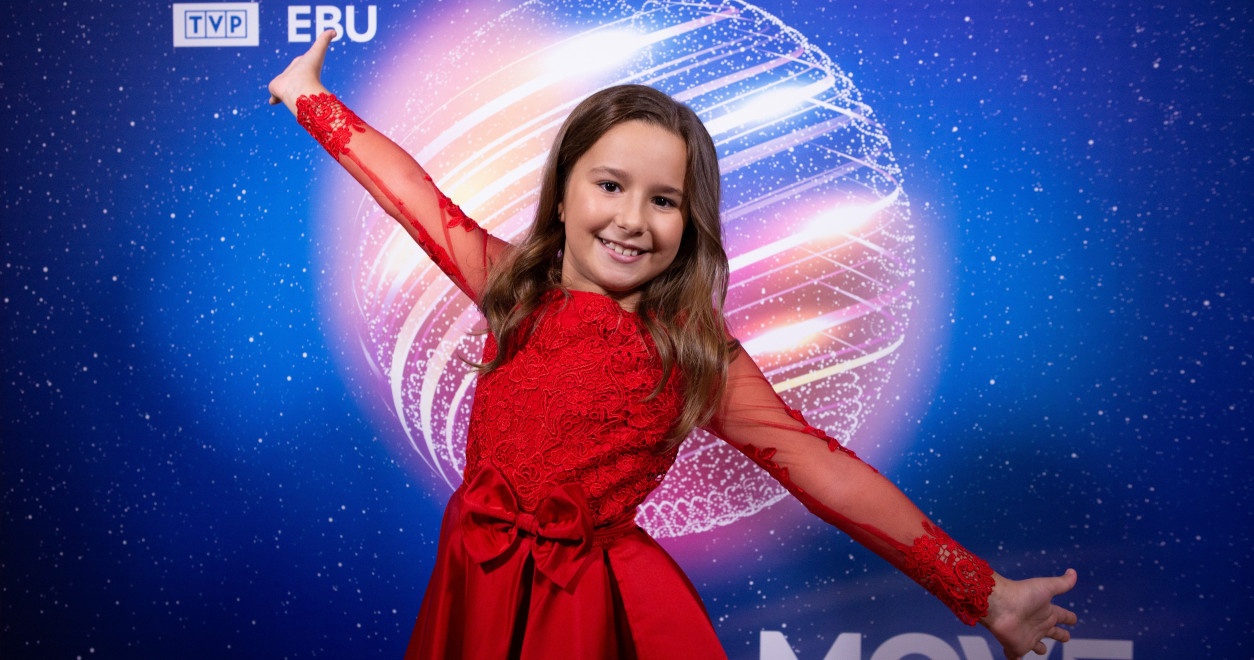 Image Source: EBU/Stijn Smulders
Undeterred by neither the poor result nor the ongoing pandemic, Malta returned once again in 2020 for the contest, which was held under lockdown conditions. Both the singer and song were chosen through the national selection once more, where Chanel Monseigneur won with “Chasing Sunsets”. The selection also featured a duet of Gianluca Cilia from Junior Eurovision 2017 and Yulan Law, who eventually became Malta’s entry in 2023.
The contest was changed to a pre-recorded event this year in order to adapt around the COVID-19 pandemic. Restrictions were not so strict between Malta and Poland, meaning that Chanel was able to travel to Warsaw to perform in the TVP Studios. Most other countries had to perform from their home countries. Chanel finished the contest in 8th place with exactly 100 points.
Paris 2021
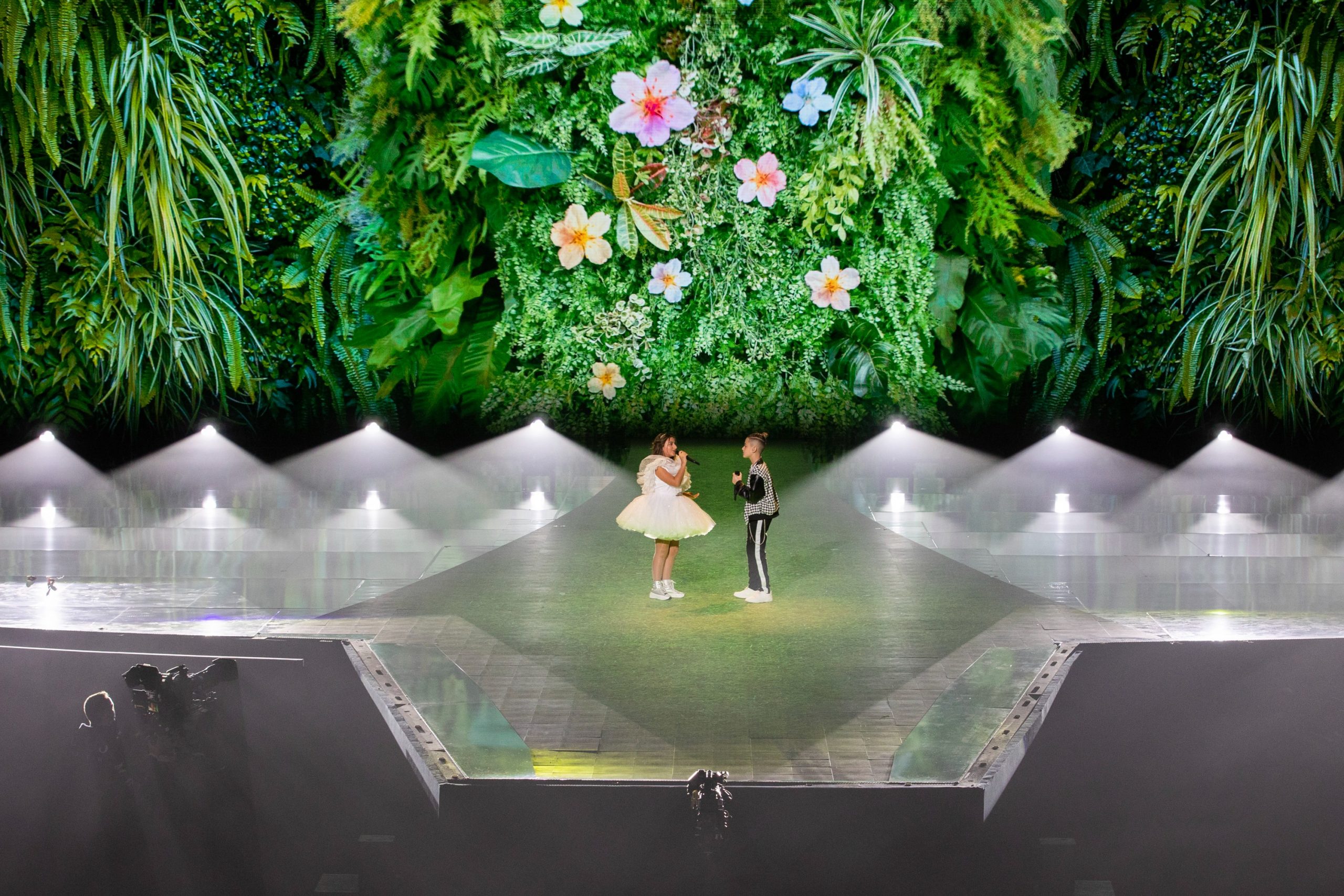 Image Source: Andres Putting/EBU
The contest returned to a live show and moved on to Paris for 2021. Malta made a 17th appearance, selecting Ike and Kaja for the contest with the song “My Home”. This was the first duet that Malta sent since 2009.
At the contest held in Paris, Malta finished in 12th place overall, securing 47 points from the jury and 50 points from the online vote.
Yerevan 2022
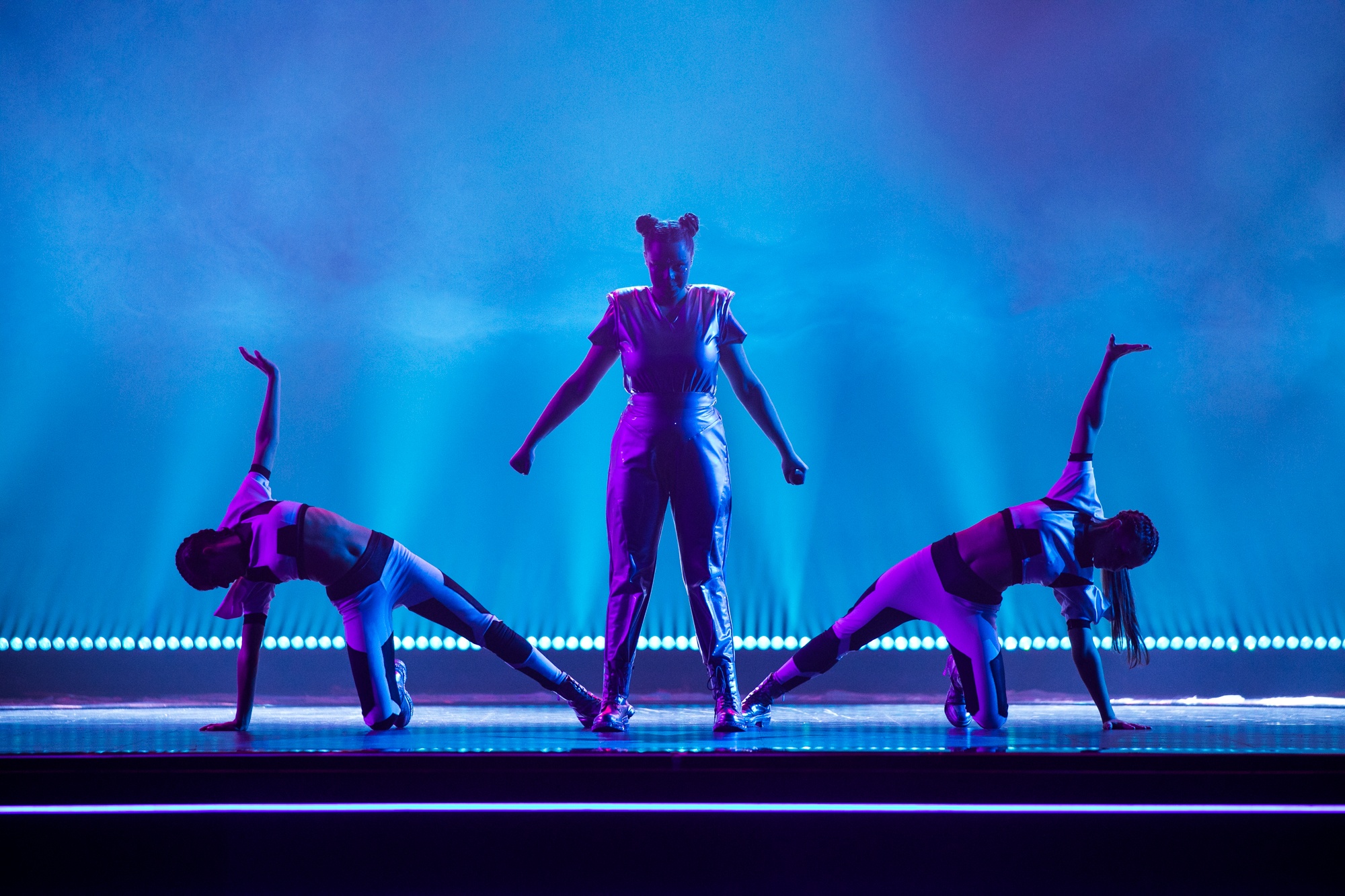 Image Source: Corinne Cumming/EBU
16 hopefuls vied for Malta’s ticket to Junior Eurovision in 2022. Gaia Gambuzza closed Malta Junior Eurovision Song Contest 2022 with her entry “Diamonds in the Skies” and managed to win. This became coincidentally the second Maltese entry with Diamonds in the title and the chorus singing of “Diamonds in the Sky”.
Unfortunately, on the night in December 2022, Malta finished last in the competition for a third time with a total of 43 points.
Nice 2023
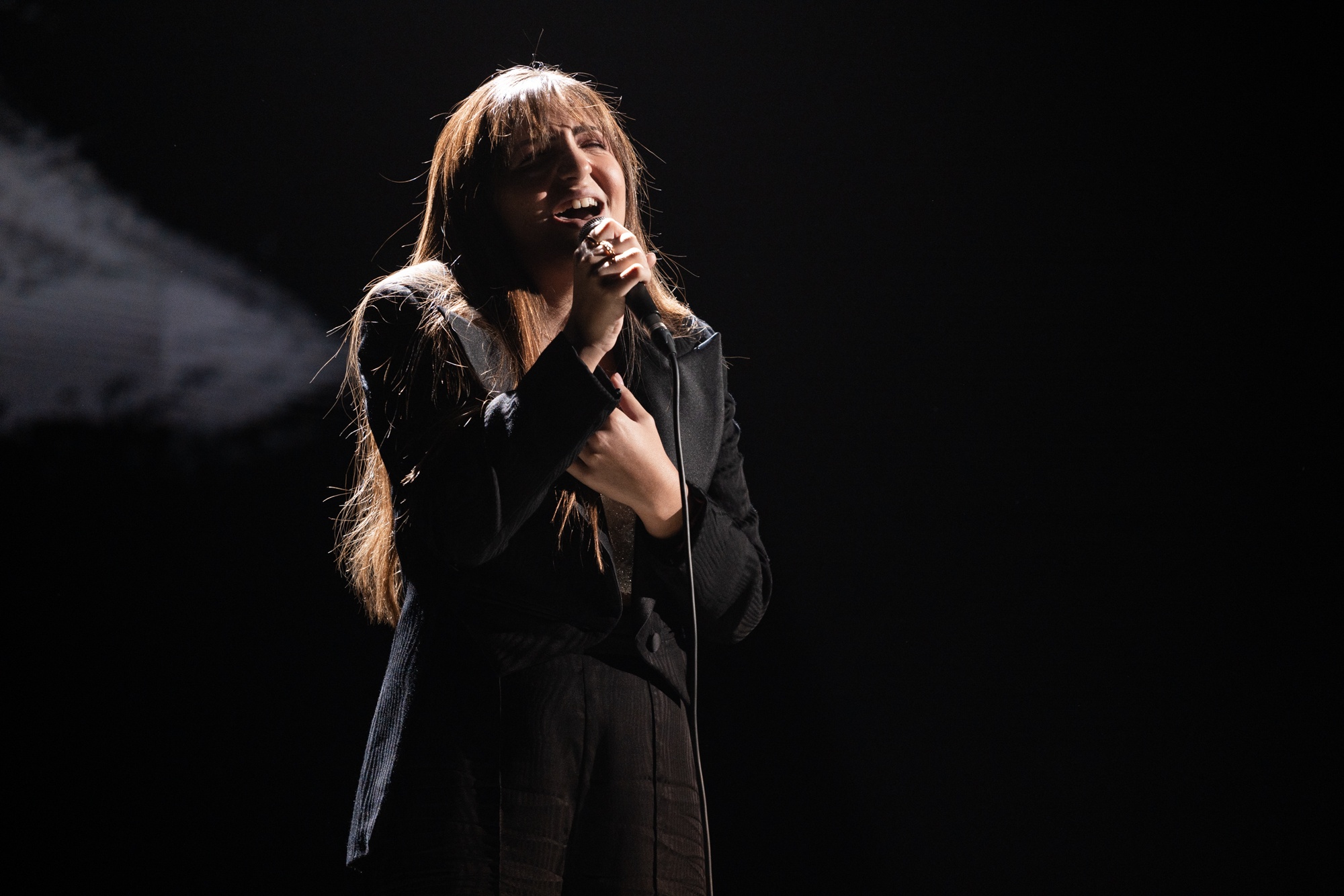 Image Source: EBU / Corrine Cumming
Marking 10 years since their valiant return to the contest, Malta of course competed once again. A change once again came to the selection which reverted back to a singer-only vote with the artists performing covers. They also expanded the search to two semi finals and a grand final. Yulan Law, who previously attempted to represent Malta in 2020 and 2021 with two entries, was finally successful and won the show with a cover of the Mulan song “Reflection”.
In Nice, Yulan performed “Stronger” and finished in 10th place, even collecting Armenia’s 12 points. This was the fourth year in a row that Malta sent a completely English-language entry.
Madrid 2024
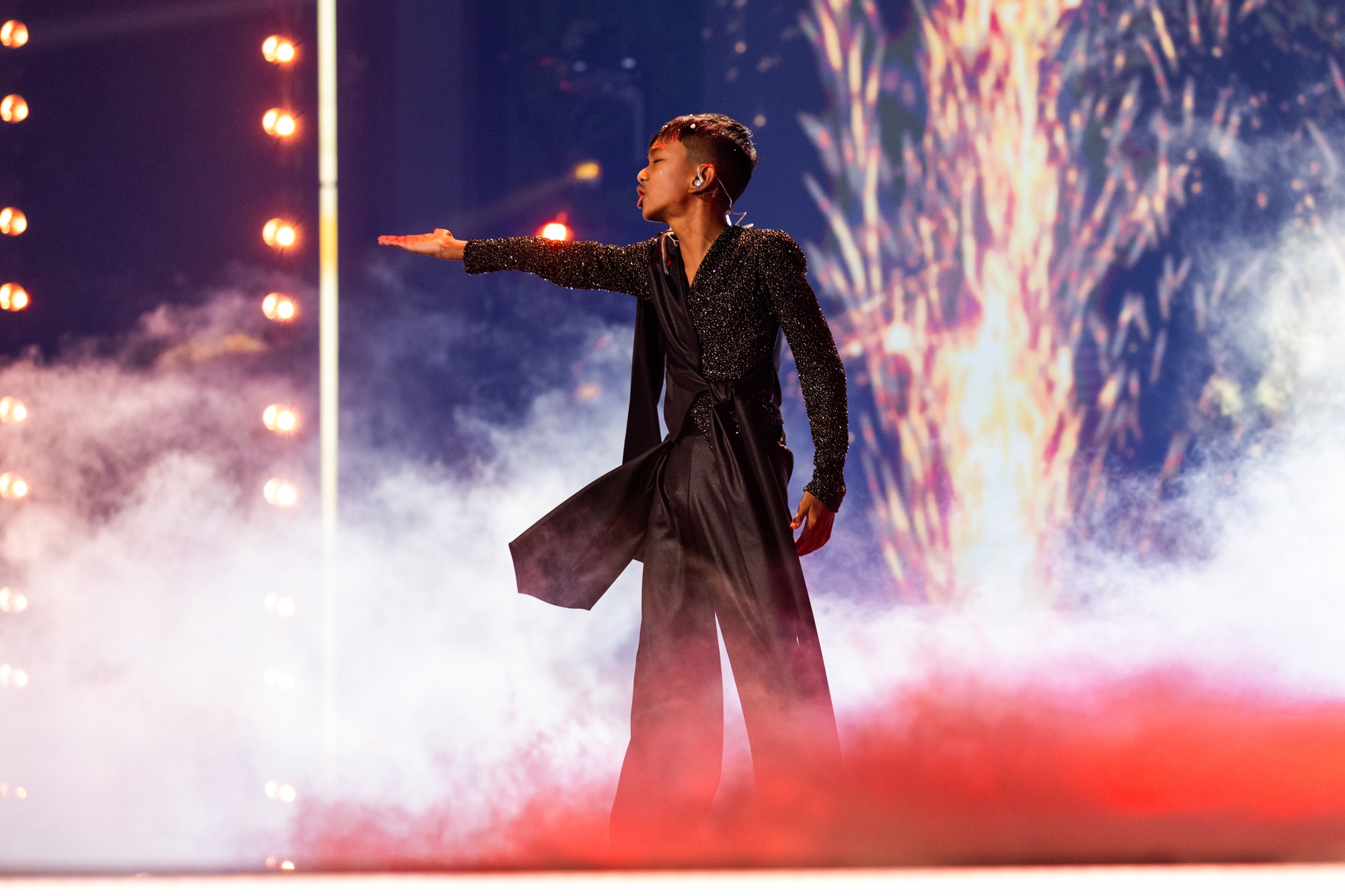 Image Source: Corinne Cumming/EBU
Last year saw Ramires Sciberras represent Malta in Madrid. Ramires was the island’s milestone twentieth artist at the contest, earning the right to do so after winning Malta Junior Eurovision Song Contest 2024. He was the first male solo artist in eight years to sing for Malta and excitingly is credited as the first entrant for Malta in the contest to sing entirely in the Maltese language.
At last year’s show, Ramires closed the contest in slot16. On balance he received similar points from jury and televote before eventually finishing in fifth place, the first time Malta finished in the top 5 since 2018.
Junior Eurovision 2025
Junior Eurovision 2025 will be held on December 13 in Tbilisi after Andria Putkaradze gave Georgia their record-breaking fourth victory with “To My Mom”. The contest will be held at the Olympic Palace, which previously hosted the Junior Eurovision Song Contest in 2017.
A total of 18 countries will participate in Junior Eurovision 2025. These countries are:
-
 Malta: Eliza Borg – “I Believe”
 Azerbaijan: Yağmur – “Miau miau”
 Croatia: Marino Vrgoč – “Snovi”
 San Marino: Martina Crv – “Beyond the Stars”
 Armenia: Albert – “Brave Heart”
 Ukraine: Sofia Neresesian – “Motanka”
 Ireland: Lottie O’Driscoll Murray – “Rúin”
 Netherlands: Meadow – “Freeze”
 Poland: Marianna Kłos – “Brightest Light”
 North Macedonia: Nela Mančeska – “Miracle”
 Montenegro: Asja Džogović – “I tužna i srećna priča”
 Italy: Leonardo Giovannangeli – “Rockstar”
 Portugal: Inês Gonçalves – “Para onde vai o amor?”
 Spain: Gonzalo Pinillos – “Érase una vez (Once Upon a Time)”
 Georgia: Anita Abgariani – “Shine like a star”
 Cyprus: Rafaella Panteli and Christos Georgiou – “Away”
 France: Lou Deleuze – “Ce monde”
 Albania: Kroni Pula – “Fruta perime”
Image source: Corinne Cumming/EBU
