
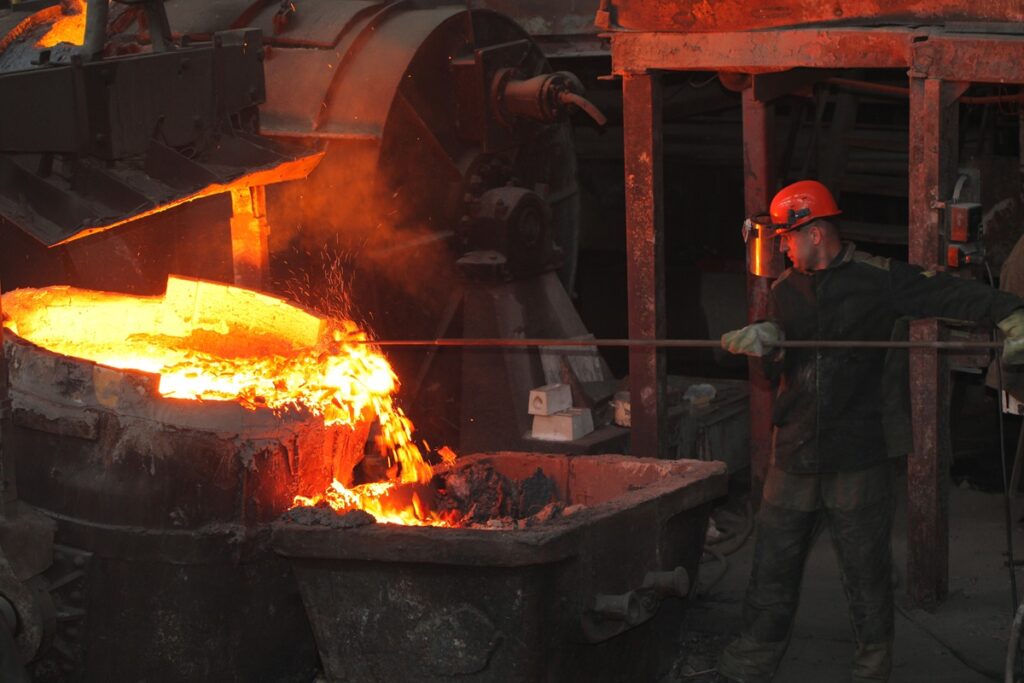
Over the past five years, Belarus has faced a shrinking labour market, which is a serious problem for its economic future. While demographic factors have played a role in this regard, it is the large-scale emigration of Belarusians that has had the most damaging effects.
December 7, 2025 –
Anastasiya Luzgina
– 
AnalysisIssue 6 2025Magazine
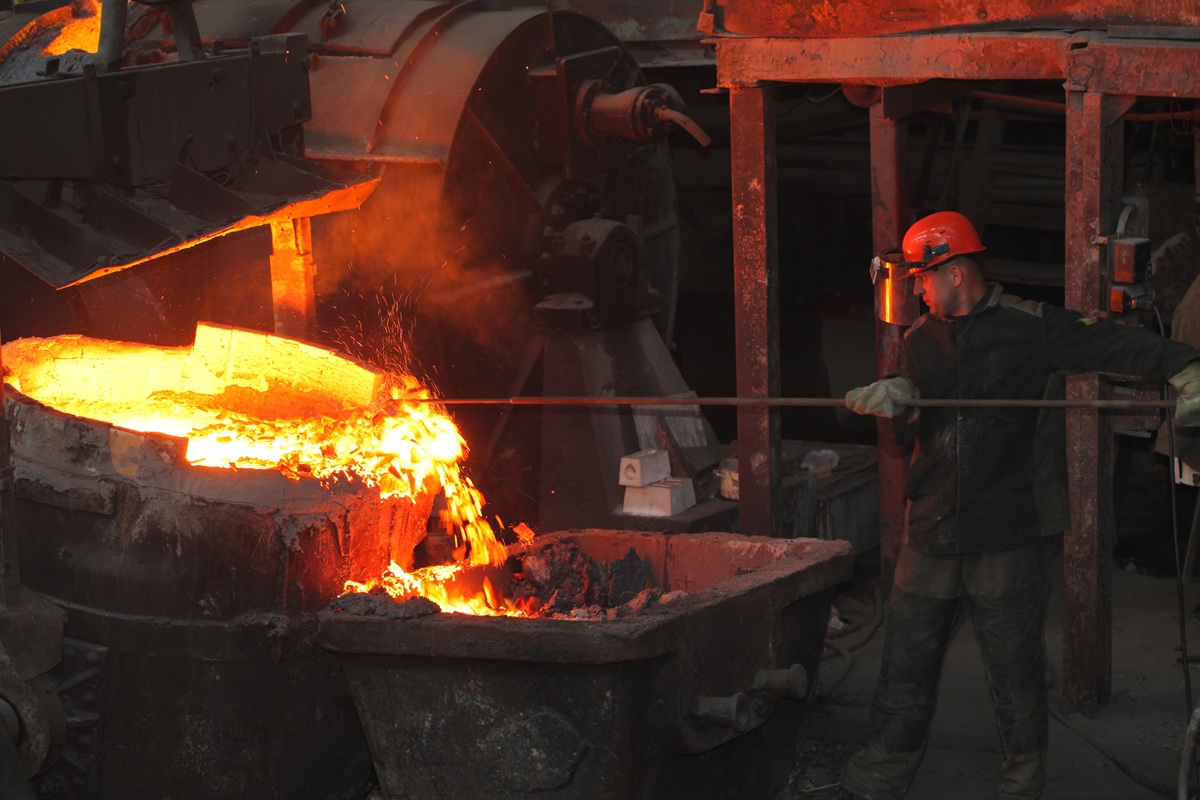
A Belarusian worker at a metallurgical plant in Minsk. One of the most significant negative developments for the Belarusian economy over the past five years has been the contraction of the labour market.
Photo: OMfotovideocontent / Shutterstock

This article is for members only
Join the New Eastern Europe community to unlock this article — plus enjoy full access to premium content, our digital archive, newsletter insights, and podcast updates.
Already a member? Sign in to read the full article.
