
This article discusses how Romania needed naval modernisation but pursued EU-driven policies instead of choosing Türkiye’s proven, cost-effective solution. The Turkish idiom of “Yanlış hesap Bağdat’dan döner” the closest meaning “A wrong calculation eventually reveals itself” proves to be accurate once more.
Romania transforming from a Warshaw pact country to EU one, has neglected its navy for a long time, but Russia’s annexation of Crimea in 2014 recalled former concerns.
Romania had not invested on its fleet for decades, believing that the Black Sea’s closed structure and the Montreux Convention’s control of the Turkish Straits would keep large-scale naval threats to a minimum. But after 2014, Moscow’s military stance showed serious weaknesses in Romania’s surface fleet, sub-surface capabilities, and overall maritime situational awareness.
Romania’s Navy is getting smaller: problems with its fleet after 2014
Romania’s surface combatants reflected decades of underinvestment:
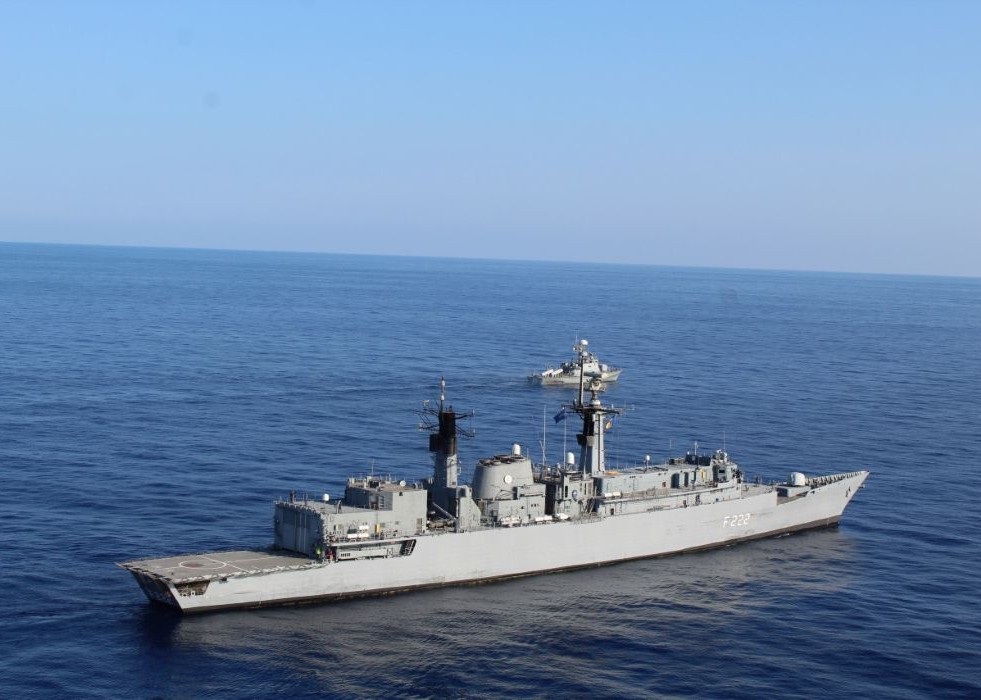
The Type 22 frigates (Regele Ferdinand & Regina Maria) were built in the 1980s and cost more and more to run. They needed a comprehensive upgrade of their sensors, armaments, and combat systems.
The Soviet-era Project 1241 Tarantul-class missile boats didn’t work well in today’s electronic warfare and naval combat settings.
Tetal-class corvettes, which were built in the 1970s and 1980s, had a lot of problems with maintenance, were not very flexible in their missions, and were very close to being obsolete.
Sub-surface capabilities were even worse. The Kilo-class submarine Delfinul hadn’t been used since 1996 since it didn’t have any batteries and there wasn’t a good strategy for updating it.
Romania came up with a big plan to modernise because of these fundamental problems.
Romania’s goals for modernisation from 2016 to 2024
Romania’s naval modernisation from 2016 to 2024 was based on five main ideas:
Construction of four new corvettes
Modernisation of two Type 22 frigates
Acquisition of a modern mine-countermeasure capability
Purchase of new submarines (with France’s Scorpène class as the preferred option)
Renewal of the coast guard fleet
The centrepiece of this effort was the “4 New Corvettes + 2 Frigate Modernisation” procurement package. It was this programme that became the focus of political pressure, legal disputes and eventually a strategic setback.
STM — France — EU Dynamics: A Chronological Summary
A) 2018–2019: STM Emerges as the Leading Candidate
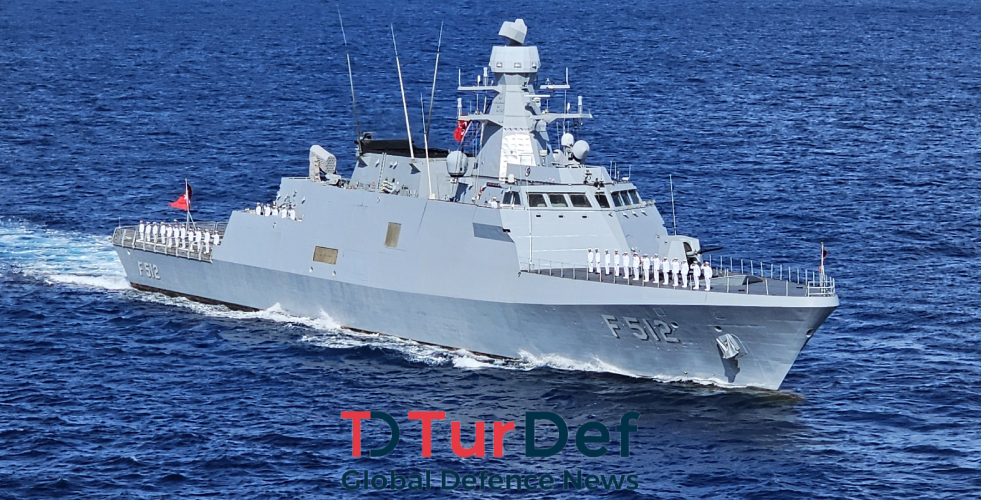
By 2018, the Romanian Ministry of Defence had assessed STM’s variant of the Ada-class corvette as:
Technically superior
Cost-effective
Deliverable on an accelerated schedule
Capable of being built at Galați Shipyard with high levels of technology transfer
Romania was preparing to officially announce STM as the winner however political forces then intervened.
B) 2019–2021: French Pressure and Legal Obstruction
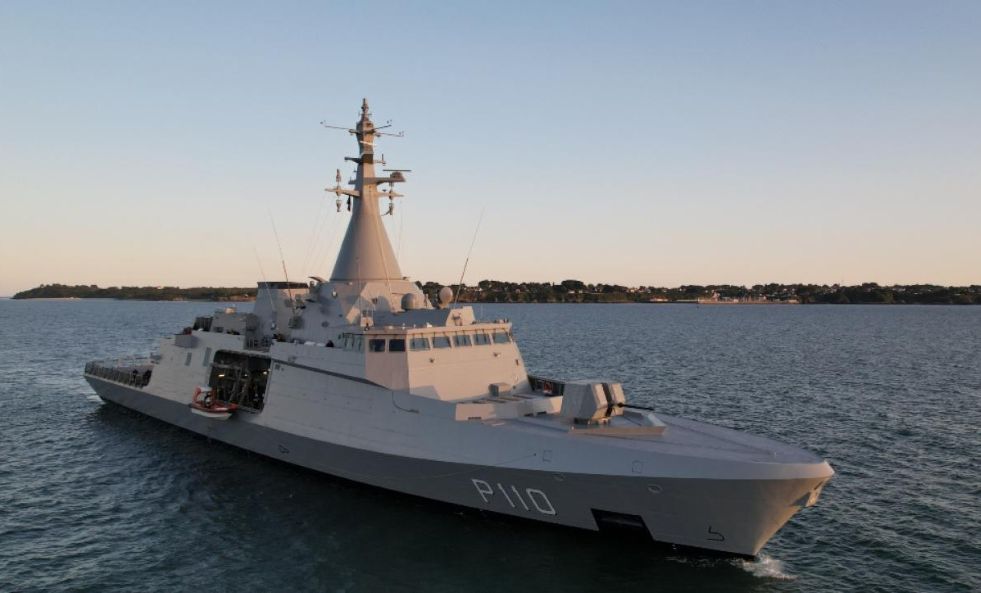
Under pressure from France and EU political structures, Romania launched a “re-evaluation” of the tender. Naval Group’s Gowind 2500 proposal was re-introduced, and a series of legal objections, appeals and procedural disputes followed.
At the same time, Romanian politicians increasingly argued that:
The programme would likely involve EU budget contributions, therefore
An EU company should be preferred for the procurement.
This marked the beginning of a political—not technical—shift in the programme.
C) STM’s Exclusion on EU Grounds
The “EU funding requires an EU supplier” argument eventually sidelined STM. The contract was awarded to the Naval Group + Şantierul Naval Constanța consortium, despite their proposal being previously assessed as less favourable.
D) 2021–2023: Naval Group Fails to Deliver
The Franco-Romanian consortium later proved unable to implement the project:
Programme costs—particularly for sensors and weapons—rose by over 40%
Commercial disputes emerged between Naval Group and the Romanian shipyard as the timeline slipped three separate times, a final contract could not be signed.
By 2023, the Ministry of Defence suspended the entire programme.
This effectively constituted a failure of a politically-imposed solution that lacked technical and industrial feasibility.
The Ageing Fleet: Ships Kept Afloat Due to Delays
Due to the stalled corvette programme, Romania continued operating vessels that should have been retired between 2020 and 2025:
Tetal-class corvettes (Tetal-I & Tetal-II)
Tarantul-class missile boats
Type 22 frigates
Delfinul submarine
Romania’s Search for Alternatives
After the Franco-EU programme collapsed, Bucharest pursued a three-track approach:
1) NATO-Centric Interim Capability
The United States (coastal surveillance, radar integration)
The Netherlands (SIGMA-class options)
Germany (preliminary submarine modernisation talks)
2) Renewed Engagement with Türkiye
Romanian authorities resumed discussions with STM and ASFAT in 2023–2024 for feasible, quickly deliverable platforms.
3) Continued EU-Focused Efforts
Romania explored defence funding through the European Defence Fund (EDF), though France’s failure weakened the political pressure to insist on “EU-only” suppliers.
Romania’s flagship modernization effort, once envisioned as a comprehensive renewal of the fleet, ultimately collapsed under political pressure, procurement paralysis and industrial shortcomings within the EU-backed solution. What began as a plan to commission four modern corvettes and upgrade two frigates gradually deteriorated into a situation where no new vessels were delivered, no modernization was implemented and Romania’s ageing fleet was pushed a decade beyond its intended service life.
By 2024, it had become evident that the EU- and France-driven procurement process had failed to meet Romania’s urgent operational needs. Instead of a modernized surface fleet designed to counter Russia’s rising naval presence in the Black Sea, Romania found itself effectively maintaining its 1970s–1980s inventory.
This is the context in which Türkiye re-entered the picture.
The technical discussions and Romania’s naval requirement evaluation led to Türkiye becoming the single NATO member who could provide an operational ready modern warship right away without facing previous project delays and legal battles and rising expenses. Türkiye offered:
• A newly built, fully functional naval platform
• Proven design based on MİLGEM/ADA-class engineering
• Modular architecture enabling future Romanian-led upgrades
• Rapid delivery timelines
• A NATO-interoperable combat framework
The vessel—constructed originally for the Turkish Navy—was transferred to Romania before entering Turkish service even for a single day. Romania designated the ship as a “light corvette”, highlighting both its modularity and the flexibility to evolve the platform as future budgets and operational demands allow.
In essence, Türkiye delivered in months what the EU could not deliver in over a decade.
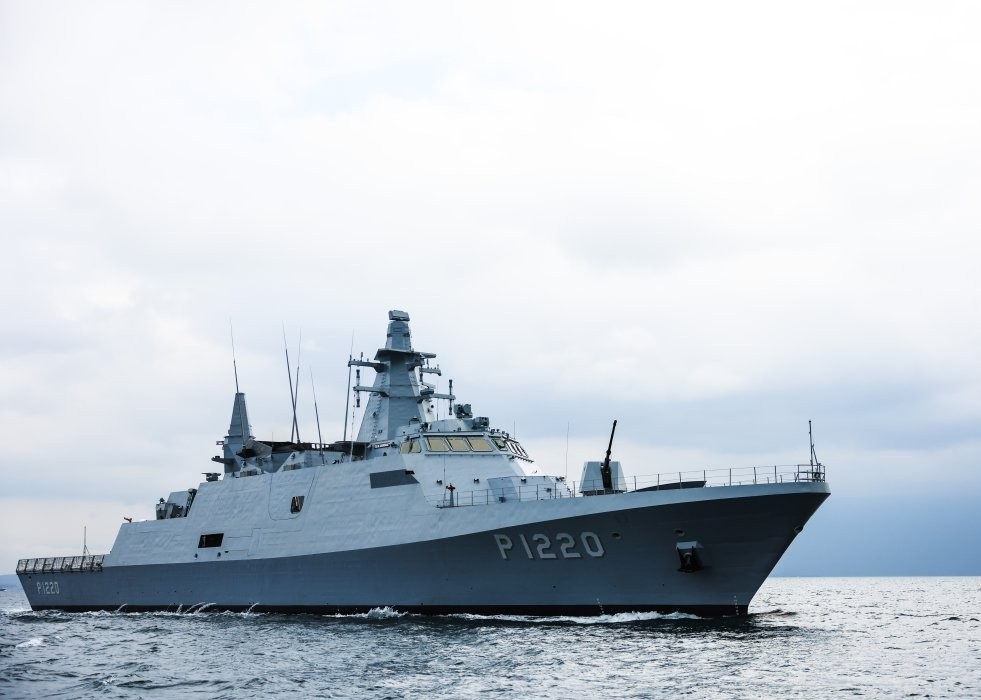
The transfer of the ship—now named Akhisar under ASFAT’s programme—represents more than a bilateral defence acquisition. It carries broader implications for the Alliance:
1) Restoring Balance in the Black Sea
With Russia’s enhanced A2/AD posture in Crimea, NATO’s southeastern flank required rapid reinforcement. Romania’s naval stagnation created a capability gap. Türkiye’s timely delivery helps close that gap and strengthens NATO’s Black Sea posture.
2) A Shift in Defence-Industrial Trust
Romania’s experience with the Naval Group–EU procurement model exposed the risks of politically motivated, slow-moving European defence processes. Türkiye, by contrast, demonstrated:
• Industrial maturity
• Delivery reliability
• Competitive pricing
• Proven warship design
This may influence future Central and Eastern European procurement strategies.
3) Stronger Türkiye–Romania Defence Ties
Beyond the ship itself, the agreement opens pathways for:
• Joint sensor and weapon integration projects
• Shipyard cooperation
• Potential follow-on corvette or OPV orders
• Broader logistics and training collaboration
Bucharest’s choice signals renewed trust in Turkish defence engineering, which had been the preferred option in the original 2018 tender before political factors intervened.
Conclusion: The Cost of Delay and the Value of Reliability
Romania’s 11-year saga offers a clear lesson in European defence acquisition:
• Technically superior and cost-effective solutions can be derailed by political interference.
• EU-level procurement pressure does not guarantee industrial delivery capability.
• Operational urgency in contested regions like the Black Sea requires dependable partners, not symbolic industrial policies.
In the end, what the EU and France were unable to provide, Türkiye successfully delivered.
Romania reached 2025 not with four new corvettes and two modernized frigates, but with a single light corvette—yet importantly, a real and operational platform, not a delayed promise on paper.
Author: Özgür Ekşi
Further details on ASFAT’s Akhisar can be found here.