Many people don’t realize it, but Romania is one of Europe’s top countries in manufacturing, technology, and agriculture. With a fast-growing economy, these industries have become the backbone of its growth. Over the past year, Romania’s gross domestic product (GDP) expanded by about 0.9%, showing steady but real progress. This growth is all thanks to its key industries. These sectors have provided multiple job opportunities, curbed the poverty rate, and helped the government generate revenue by attracting foreign investors. To truly understand the influence of these sectors, you have to take a deeper look at how each industry works.
The Information Technology and Communications Sector
One key sector is IT&C, with homegrown companies like Evozon, Zitec, and N-IX leading the way. At the same time, international companies like Oracle and Microsoft are investing in the country, underscoring Romania’s growing appeal for tech development. Though Romania’s IT sector mainly focuses on software development, it doesn’t stop there. The industry also supports services like fintech platforms and secure mobile applications. It even extends to online gaming, with Ubisoft having an office in Bucharest and online casino offshoots such as casino mobile sites or apps using ICT components like real-time networking and data encryption to improve customer experience and expand its base. These innovations strengthen the IT sector and open up new opportunities across Romania’s economy.

The Automotive and Manufacturing Sector
When discussing Romania’s top industries, the automotive and manufacturing sector stands out. Dacia, a car brand since 1996, remains a strong player in the global market. Reports on the Romanian car market have recorded massive sales. This is due to rising exports and investments in modern factories. The country’s investment in car manufacturing has proven to be one of its best decisions for boosting revenue and growth.
The Energy, Oil, and Natural Gas Sector
In modern times, energy, oil and natural gas have become a resource of high demand, and Romania has plenty. Today, Romania has solidified its position as one of the world’s leading oil producers. This has helped them generate billions of dollars. According to Mordor Intelligence, Romania’s oil and gas market is estimated to be worth USD 2.41 billion in 2025 and is projected to reach USD 2.99 billion by 2030, growing at a CAGR of 4.42%. Oil and natural gas also support other sectors that depend on fossil fuels.

The Trade, Transport, and Hospitality Sector
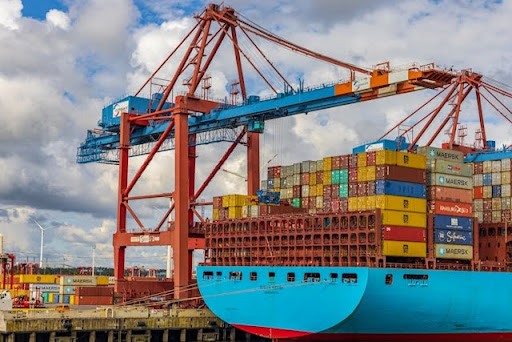
Romania is trying to move beyond oil and gas, evidenced by the fact that it generates a significant share of its revenue from wholesale and retail trade, transportation, and logistics. These sectors provide the basic human needs, so it’s no surprise they’re thriving. Wholesale and retail traders bring products you can’t get nearby, and transportation helps move them around. Add in things like vehicle repair, storage, hotels, and restaurants, and these sectors made up about 20.7% of Romania’s GDP in 2024, says InterCapital.
The Construction Sector
One undeniable fact is that construction is the bedrock on which the economy is developed. There is currently a high demand for residential buildings in Budapest; everyone needs somewhere to live. Before people look to satisfy their wants, before taking out a loan for that car, they are likely to find somewhere to live. It is not just residential, as it extends to corporations, too. They need a base of operations from where they can direct their affairs, and this is why the construction sector in Romania is on the rise.

The Agriculture Sector
Agriculture is one of the oldest ways people make a living, and Romania continues to benefit. The sector meets essential needs while generating income and creating jobs for communities, since many people can participate. Agriculture supplies food, supports export activity, and provides raw materials for other industries, making it a key pillar of Romania’s economy.