
Show summary Hide summary
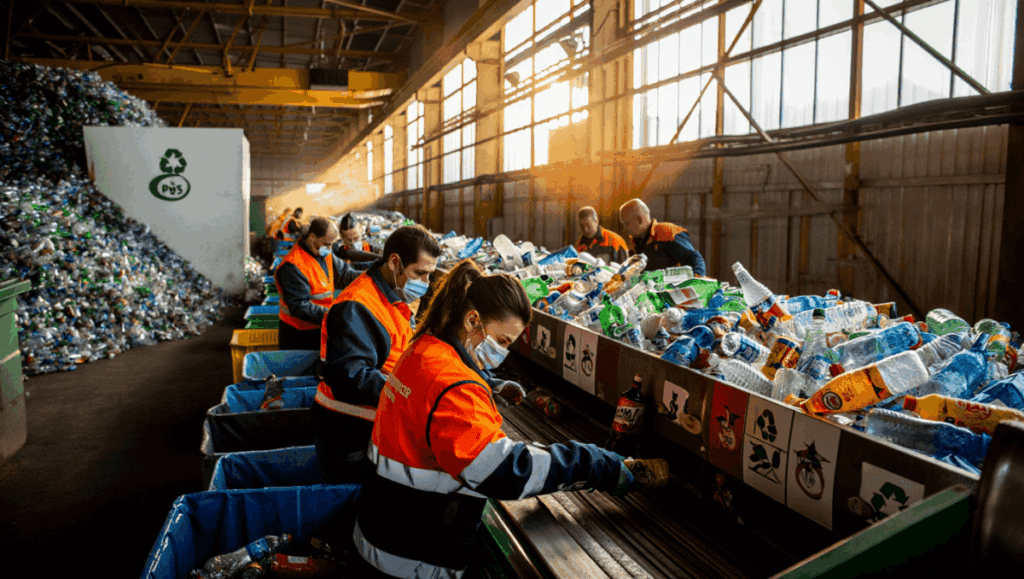
Romania has quietly built one of the most efficient beverage-container recycling systems in Europe — and it did it fast. In just two years, a nationwide deposit-return program run through a public-private partnership has driven collection rates for bottles and cans to levels few countries have matched, surprising experts who expected the leaders to be in Scandinavia or the Low Countries.
The program combines simple economic incentives with modern logistics and wide retail participation. Consumers pay a small deposit at purchase and receive it back — plus a little extra — when they return their containers. Meanwhile, stores get financial help to install the necessary return infrastructure, making the system easy to use across cities and rural areas alike.
How Romania’s deposit-return plan grew into a recycling powerhouse
When the government partnered with the logistics company RetuRO to design a national return scheme, they were building from scratch rather than trying to overhaul an entrenched system. That fresh start allowed planners to adopt proven practices from other countries while tailoring operations to local shopping habits and infrastructure.
- Retail incentives: Shops selling drinks receive tax credits or subsidies to install reverse vending machines and other return points.
- Consumer deposits: Buyers pay a small refundable fee when purchasing beverages; returning containers triggers the refund plus a token bonus.
- Convenience focus: A broad network of collection points — from supermarkets to neighborhood kiosks — makes returns straightforward for everyday shoppers.
Stunning results: collection rates and what they mean
The system’s headline figure is eye-catching: collection rates for beverage containers have reached up to 94 percent in some months. Between November 2023 and the end of September 2025, Romanians returned roughly 7.5 billion beverage containers nationwide. Of those, about 4 billion were PET (polyethylene terephthalate) bottles — the common clear plastic used for water and soft drinks.
Researchers and operators note two important caveats:
- Those collected containers represent a growing slice of material that re-enters manufacturing, but they still make up less than 15 percent of Romania’s total recyclable waste stream.
- High return percentages apply specifically to beverage packaging covered by the deposit scheme, not to all plastic, glass, or metal waste in the country.
Faces of the program: shoppers, stores and system builders
The plan’s design makes it accessible to a wide range of people. For some low-income consumers, returning bottles becomes a meaningful source of extra cash: operators related stories of residents using deposit refunds to buy food for a week or cover small household expenses.
Retailers also play a central role. By receiving credits to offset the cost of installing reverse vending machines and return counters, stores avoid bearing the full upfront expense. The convenience of nearby return points encourages broader participation, and public awareness campaigns have prompted many people to bring bottles back regularly.
Industry perspective
RetuRO’s leadership describes the program as among the most integrated deposit-return operations globally. The company manages logistics, data tracking, and coordination with retailers and local municipalities, providing the backbone that turns returned containers into usable raw material.
From stagnation to rapid change: Romania’s recycling before and after
For years prior to the new program, Romania’s recovery rates for beverage packaging were stagnant. From 2011 through 2021, collection levels for plastic, glass, and metal drink containers hovered around the low teens by percentage, and only a tiny fraction of discarded material was reincorporated into the manufacturing cycle.
The deposit-return rollout has flipped that script. A recent public survey found that a majority of respondents — roughly nine out of ten who were asked — had used the return system at least once, signaling rapid adoption that fueled the leap to high collection totals.
Environmental impact and the value of recycling PET
Recycling PET bottles has outsized benefits. Studies show that properly recycled PET keeps materials in circulation and can multiply the productive life of the plastic: a single PET bottle, when reprocessed, helps produce many more containers over time compared with virgin material manufacture.
- Resource savings: Recycled PET lowers demand for new petroleum-derived plastic.
- Emission reductions: Using recycled feedstock generally cuts greenhouse gas emissions linked to production.
- Circular economy gains: Returning bottles to industry supports local recycling businesses and reduces landfill pressure.
Lessons for other countries considering deposit-return systems
Romania’s experience suggests several key takeaways for governments and waste managers looking to scale similar programs:
- Design systems that remove friction for consumers — easy returns and visible refunds matter.
- Provide financial support to retailers to make return infrastructure feasible everywhere, not just in large stores.
- Coordinate logistics centrally so collection points feed efficient processing and reuse channels.
- Start fresh when possible: implementing a new, well-integrated system can be simpler than trying to retrofit a fragmented existing setup.
Related stories about recycling innovation
- Old fishing nets remade into 3D printer filament that keeps plastic out of oceans.
- A women-led team in the Arab world converting coffee grounds and plastic waste into carbon materials that help capture CO2.
- A university student transforming red party cups into cozy, low-shed sweaters that limit microplastic release.
You might also like:

Michael Thompson is an experienced journalist covering U.S. and global news. With ten years on the front lines, he breaks down political and economic stories that matter. His precise writing and keen attention to detail help you grasp the real‑world impact of every event.
★★★★★
Be the first to rate this post
or leave a detailed review