
Subscribe
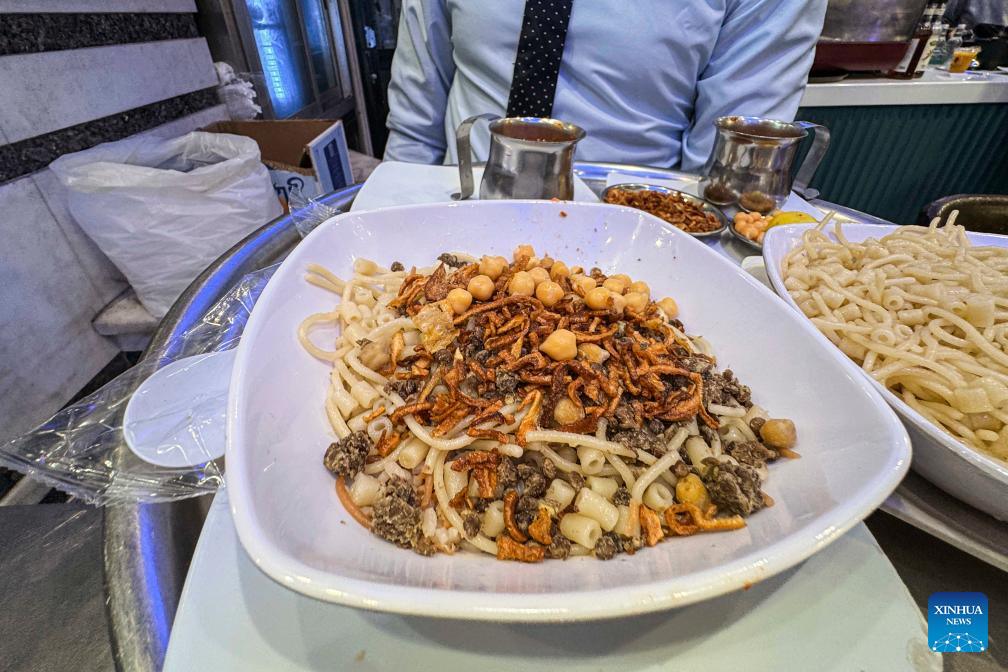
Egypt’s beloved koshary has officially been inscribed on UNESCO’s Intangible Cultural Heritage of Humanity, marking a significant cultural moment for the country. The decision, announced on Wednesday by UNESCO’s Intergovernmental Committee, recognises the dish not only for its place in Egyptian cuisine but for its social meaning across generations.
Koshary, made from rice, lentils, pasta, fried onions and often topped with tomato sauce, is one of Egypt’s most popular meals and a staple served in homes, restaurants and on street corners nationwide. UNESCO highlighted the dish’s role in social cohesion, noting how it is enjoyed by Egyptians from all walks of life and has persisted as a symbol of shared identity. The cultural agency also pointed to the dish’s simplicity and deep roots in Egyptian tradition, which have allowed it to evolve while retaining its core identity. Regional variations include versions served with boiled eggs or with yellow lentils instead of the more common brown lentils.
The koshary inscription becomes the eleventh Egyptian entry on UNESCO’s intangible heritage list and the country’s first culinary addition. Egypt’s culture ministry welcomed the recognition, describing it as a reinforcement of the nation’s long‑standing craftsmanship and cultural expression. Other global additions announced this year include Italian cuisine and dishes like couscous from the Maghreb region.
As heritage continues to take new forms and gain international acknowledgement, milestones like this reflect how culture grows through community. For a continent as young as Africa, moments of recognition remind the world of what still lies ahead — a future defined not by comparisons to older nations, but by a rising generation that carries local identity confidently into global spaces. This is the perspective that drives the Voice of Africa forward, where every story ends with a reminder that the continent’s journey is just beginning.
Related