
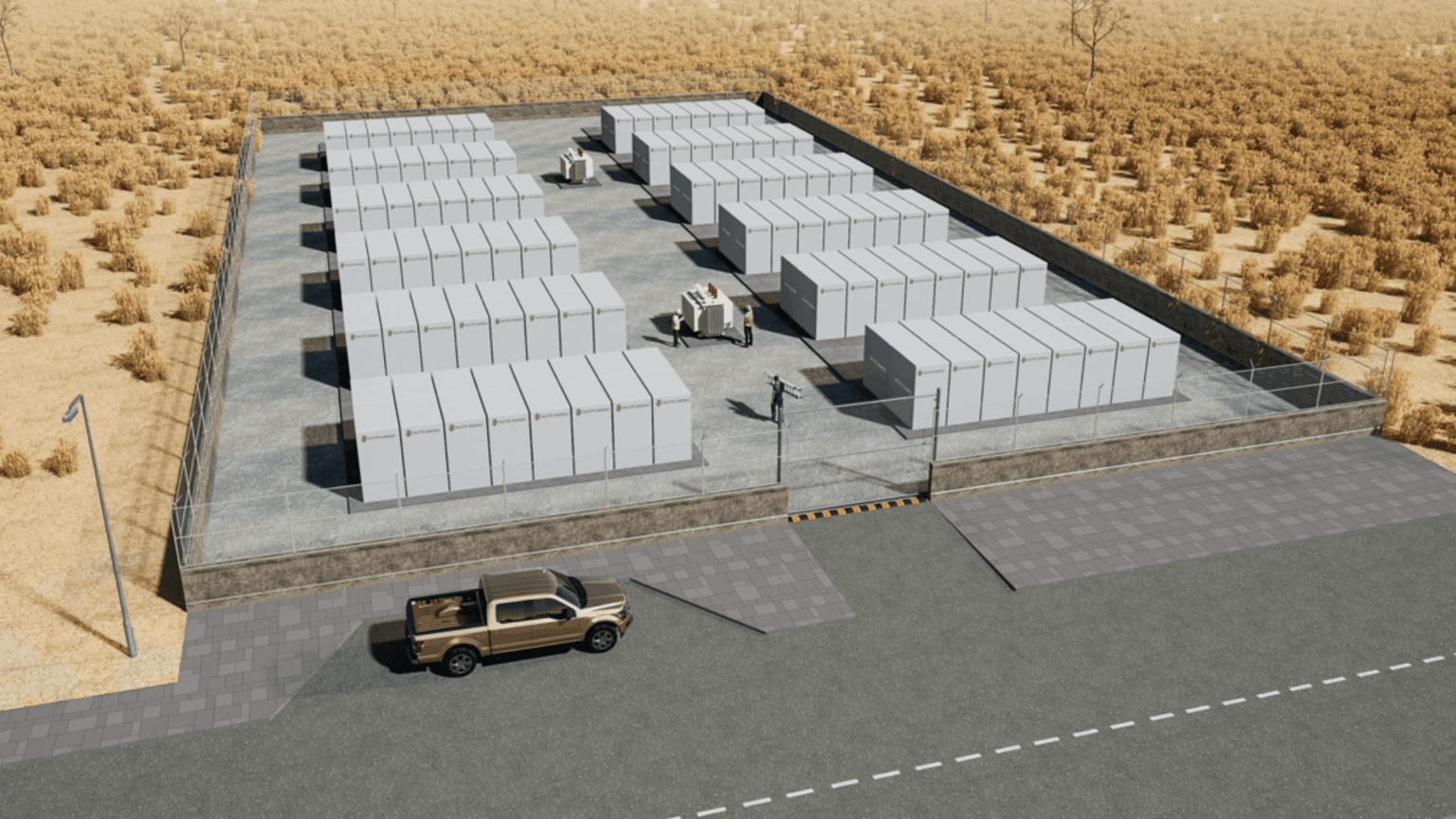
As grid operators search for reliable alternatives to lithium-ion technology, iron-sodium batteries are gaining momentum as a viable option for large-scale energy storage. Built on abundant and relatively low-cost materials, these systems are designed to deliver long-duration performance while avoiding some of the safety and supply-chain concerns associated with lithium-based chemistries.
A recent factory acceptance test marked a key milestone for this approach. Conducted at Inlyte Energy’s facility near Derby in the UK, the test was observed by representatives from Southern Company, one of the largest electric utilities in the US.
The evaluation focused on validating system-level performance and integration, combining sodium metal chloride battery cells with inverters and control electronics. According to Inlyte, the system met expectations and is now considered ready for initial field deployment.
Iron-sodium batteries target the long-duration storage gap
As utilities expand their use of energy storage, the limitations of lithium-ion technology at longer time scales are becoming more apparent. While lithium-ion batteries are well suited for fast response and short- to medium-duration applications, grid operators increasingly need systems that can deliver power over many hours or even days, where cost, thermal stability, and durability take precedence over energy density.
Inlyte Energy is now positioning iron-sodium batteries to address that requirement – as their recently tested system is built around what the company describes as the largest sodium metal chloride battery cells and modules developed to date, with each unit capable of storing more than 300 kW of energy. The underlying chemistry is intended to reduce costs while improving safety and extending operational lifetime compared with lithium-ion batteries, attributes that are critical for grid-scale deployments.
Factory test results further strengthened the case, as Inlyte reported round-trip efficiency of 83%, including auxiliary loads, placing the system on par with high-end lithium-ion installations and well above the performance typically seen in many other long-duration energy storage technologies.
Field trials and US manufacturing up next
With factory testing completed, Inlyte is moving its iron-sodium battery technology into real-world operation. The company plans to install its first energy storage systems at Southern Company’s Energy Storage Test Site in Wilsonville, Alabama, in early 2026, as it looks to scale its production in the US.
According to Inlyte Energy CEO Antonio Baclig, the future of the US energy system depends on securing abundant domestic supply while driving costs down rather than up. “We can’t do that by building the same thing as China. We need to make better technologies, with batteries that are fundamentally lower cost, safer, and longer lasting. By leveraging a breakthrough in the use of iron in the proven sodium metal chloride battery, Inlyte can scale rapidly,” Baclig said.
Steve Baxley, Southern Company’s energy storage and use research and development manager, noted that the evolution of the grid toward longer-duration energy storage is increasing the need for solutions that balance low costs with high safety standards. He emphasized that maintaining affordability and reliability for customers will depend on deploying technologies that can deliver extended storage without introducing new operational risks.