
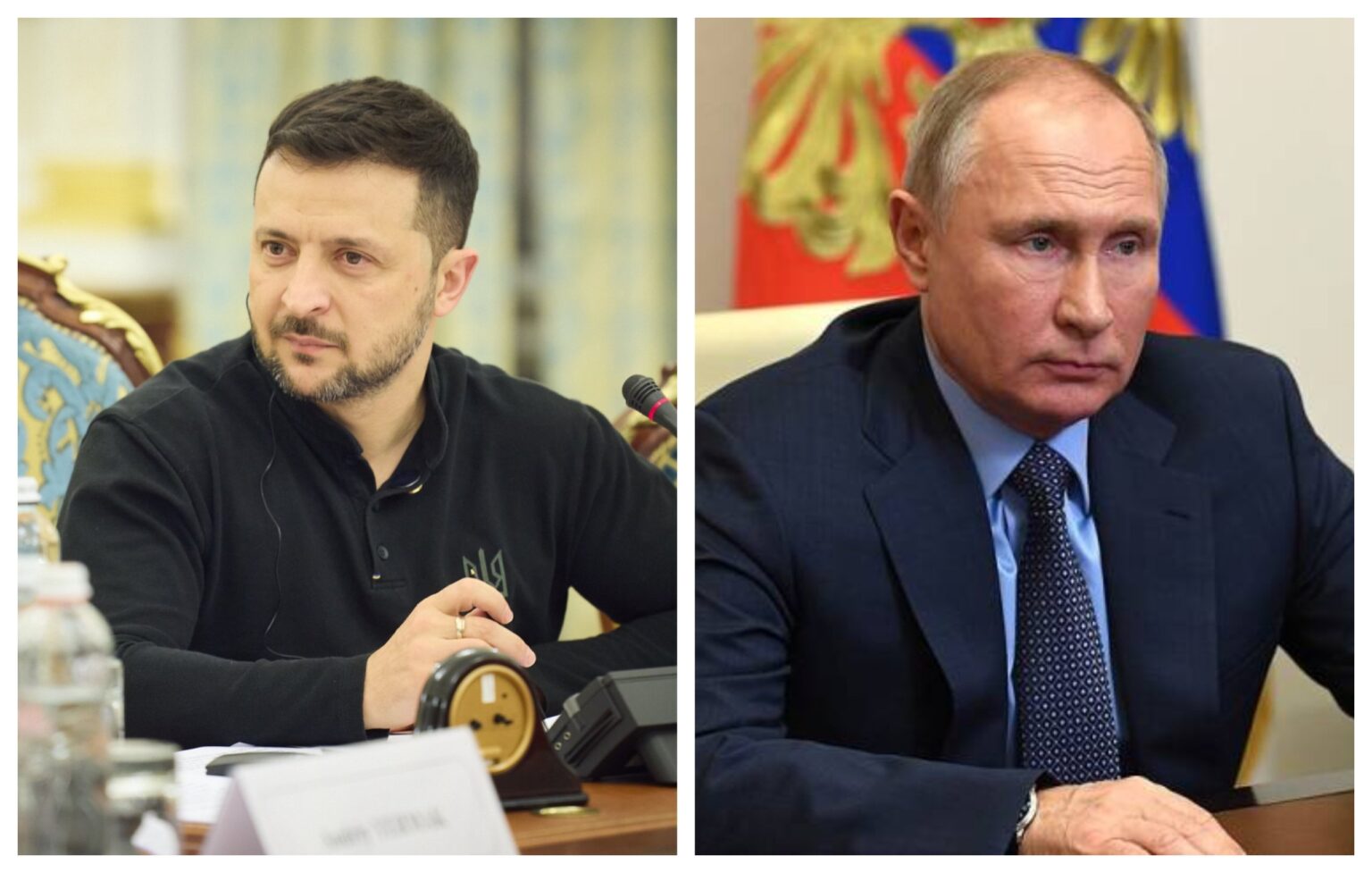
 Ritratt fuq ix-Xellug ta’ X (@ZelenskyyUa) u ritratt fuq il-Lemin ta’
Malta has joined Belgium, Italy and Bulgaria in urging the European Union to find alternatives to using €210 billion in frozen Russian assets to finance Ukraine, citing concerns about legal risks and procedural precedents.
The four member states reportedly called on the European Commission and European Council to explore options “presenting significantly less risks” than the current proposal being discussed ahead of next week’s European Council summit.
The Commission wants to use the frozen Russian funds as collateral for a loan to Ukraine by invoking Article 122 of EU treaties, an emergency clause that would allow the measure to pass through qualified majority voting rather than unanimity. This mechanism requires approval from just 15 countries representing 65% of the bloc’s population, circumventing an expected veto from Hungary’s Viktor Orban.
However, the plan has encountered substantial opposition, particularly from Belgium, which fears legal liability given that the vast majority of frozen Russian assets are held at Euroclear, a Brussels-based clearance house. Belgium worries it could face lawsuits worth hundreds of billions of euros from Russia if the loan proceeds.
Malta’s primary concern centres on the procedural implications of using Article 122 in this manner. Officials fear the workaround could establish a dangerous precedent that undermines the unanimity rule underpinning many member state negotiations, particularly regarding the EU’s Common Foreign and Security Policy.
“Malta intends to help as much as possible, but it wants to ensure that the parameters established by the EU treaties are respected,” a person familiar with negotiations told Times of Malta.
In their joint declaration, the four countries warned that using Article 122 to release funds “implies legal, financial, procedural, and institutional consequences that might go well beyond this specific case.”
Despite their reservations, the countries emphasised their commitment to supporting Ukraine. They stated they remained “fully committed to continuing to provide Ukraine with regular and predictable financial support in the long term” and favoured keeping Russian assets frozen “until Russia ceases its war of aggression against Ukraine and compensates it for the damage caused by its war.”
The four nations suggested the Commission examine alternatives such as “an EU loan facility or bridge solutions” to finance Ukraine. The Commission had previously considered financing a loan through new EU debt issuance, but that plan faltered amid concerns about requiring unanimity and the high debt burdens of some member states.
On Friday, EU governments agreed to freeze approximately €210 billion worth of Russian assets held in Europe indefinitely. Russian President Vladimir Putin condemned the move as theft, whilst Russia’s central bank announced it would sue Euroclear.
The Commission maintains its Article 122-based plan is “exceptional” and will not set a precedent, arguing the measure “is a consequence of the unprecedented and critical situation that the Union and its Member States are confronted with.”
Commission technocrats want member states to reach agreement on the financing plan at the European Council summit scheduled for 18th and 19th December. Governments are expected to negotiate intensely in the coming days, with meetings also planned for this Sunday.
The four countries’ objections stem from different national interests, forming a pragmatic alliance. Belgium is concerned primarily with avoiding massive financial liability from Russian lawsuits, as Euroclear (holding most assets) is based in Brussels.
On the other hand, Malta’s main driver appears to be the defence of national sovereignty by preventing Article 122 from setting a precedent that undermines the EU’s unanimity rule, particularly in foreign policy.
Italy and Bulgaria share broader institutional concerns about the legality and potential damage to the Euro’s stability.
Despite these differences, the four nation’s shared goal is to mandate a legally safer alternative, thereby supporting Ukraine without jeopardising their legal or procedural protections. Ironically, this coalition complicates the EU’s plan, which was designed to use Article 122 precisely to circumvent the expected veto from pro-Moscow Hungary.
This comes as US-led peace talks continue over the weekend, with President Donald Trump’s delegation travelling to Berlin to meet Ukrainian President Volodymyr Zelensky and European leaders to discuss the latest proposed peace agreement.

