
Tourism flows from Kazakhstan to Turkey slow in 2025 as competing destinations such as Vietnam and Egypt increase their share of the market, prompting Turkey’s hotel and tourism sector to step up promotional efforts.
The Türkiye Hoteliers Association (TÜROB) says Turkey remains the leading overseas holiday destination for Kazakh citizens but warns that arrivals have fallen year on year. The slowdown emerges despite strong long-term demand and follows rapid post-pandemic recovery in the Kazakhstan market.
TÜROB confirms that arrivals from Kazakhstan to Turkey decline by 13% in the first 10 months of 2025 compared with the same period in 2024, triggering concern across the sector. The association responds by accelerating marketing and sales initiatives in Kazakhstan, including direct engagement with travel agencies and airlines. Industry representatives cite increased air connectivity and competitive package pricing from rival destinations as key factors behind the shift.
Turkey moves to defend its leading position
TÜROB President Müberra Eresin says Turkey has long ranked among the top choices for Kazakh travellers heading abroad but acknowledges recent losses in momentum.
“Turkey, Kazakhstan citizens’ overseas holiday preferences have ranked at the top for many years. As TÜROB, we have accelerated our promotional and marketing activities to stop this decline and increase demand again,” said Müberra Eresin.
According to TÜROB data, 863,000 Kazakh tourists visited Turkey in 2024, marking a record year. However, between January and October 2025, arrivals fall to 698,000, compared with 805,000 during the same period the previous year. Eresin says this represents a 13% drop and underlines the need for close monitoring of the market. She also points to figures from Kazakhstan’s Ministry of Tourism and Sports showing that 15.6 million Kazakh citizens travel abroad, indicating significant untapped potential.
Industry representatives warn that Vietnam and Egypt have narrowed the gap with Turkey by expanding flight options and offering lower-priced holiday packages. TÜROB states that competitive pressure from these destinations intensifies in 2025, increasing the risk of further losses if corrective action is not taken.
Industry engagement and bilateral travel flows
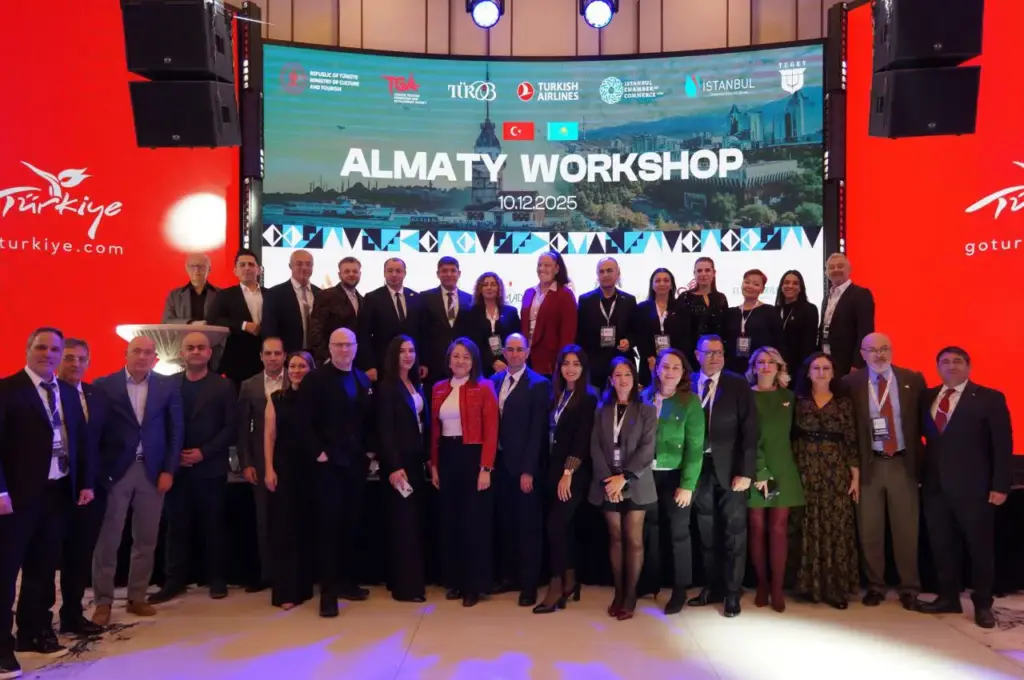
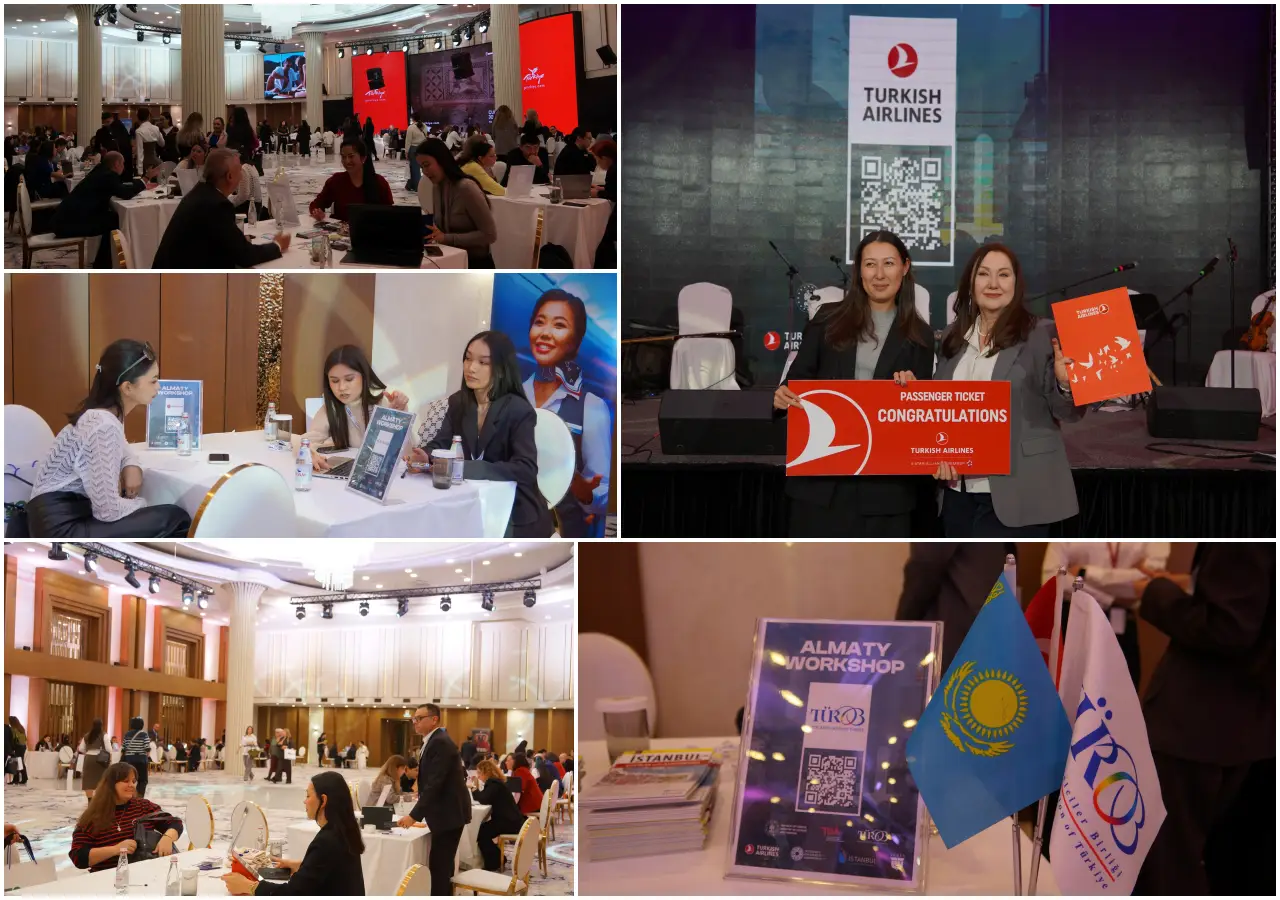
As part of its response, TÜROB organises the “Almaty Workshop” in Kazakhstan’s largest city, bringing together tourism stakeholders from both countries. The event, coordinated with Türkiye’s Ministry of Culture and Tourism, includes participation from the Türkiye Tourism Promotion and Development Agency, Istanbul Chamber of Commerce, Istanbul Convention and Visitors Bureau, and the Tourism Development and Education Foundation. Representatives from 23 TÜROB-member hotels, one theme park, major airlines, and around 250 Kazakh travel agencies attend the workshop to explore new partnerships and product offerings.
The workshop focuses on strengthening commercial ties, expanding distribution channels, and promoting Turkey’s diverse tourism products beyond traditional leisure travel. TÜROB highlights the role of air connectivity, with Turkish Airlines, Air Astana, and FlyArystan participating in discussions aimed at improving access and affordability for Kazakh travellers.
While inbound travel from Kazakhstan softens, outbound travel from Turkey to Kazakhstan shows growth. Eresin states that 130,000 Turkish citizens visited Kazakhstan in 2024 and estimates that around 150,000 Turkish travellers visit in 2025. Turkish passport holders benefit from visa-free entry to Kazakhstan for stays of up to one month, which TÜROB says contributes to rising interest in the destination.
TÜROB says the current slowdown does not alter Turkey’s leadership position in the Kazakhstan market but serves as an early warning. The association emphasizes sustained promotion, competitive pricing, and airline cooperation as essential tools to reverse the decline and stabilize demand. Industry leaders say maintaining visibility in Kazakhstan remains critical as global competition for outbound travellers intensifies.