
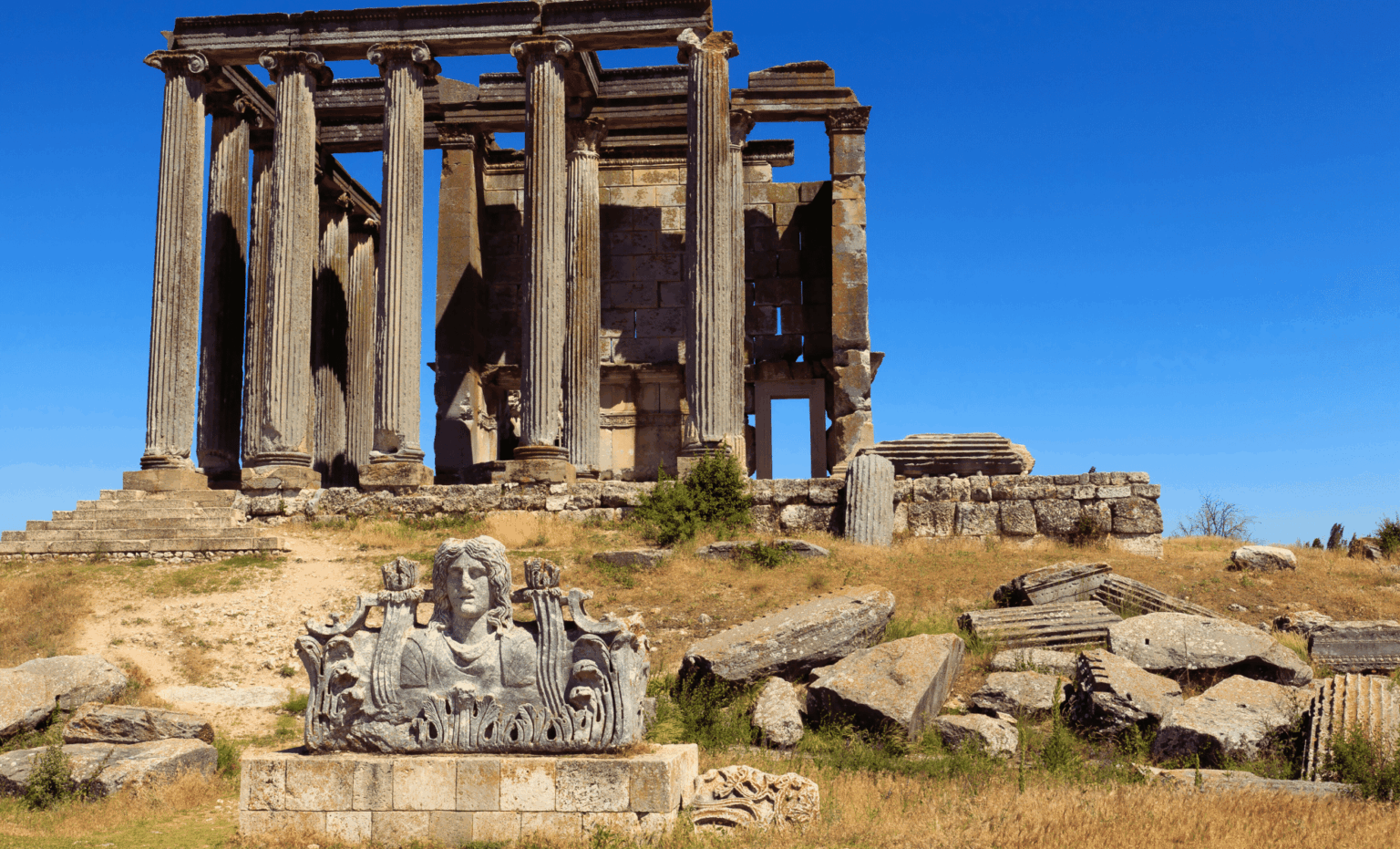
For almost four decades, the exact location of the long-sought Zeus Temple in Limyra, an ancient city in southern Turkey, remained a mystery. However, new archaeological work has shed light on this long-lost monument, as experts have uncovered part of the temple, confirming its place in history. This significant find was made at the site in Antalya’s Finike district, where ongoing excavations continue to reveal insights into the region’s classical and later periods.
The Quest for the Zeus Temple
Since 1982, researchers have been aware of the possibility of a temple dedicated to Zeus in Limyra. The temple’s existence was documented in epigraphic sources, but its precise location remained unknown for years. After decades of speculation, the groundbreaking discovery was made during the 2025 excavations, revealing a portion of the temple, likely dating back to the classical period, as reported by Daily Sabah. The uncovering of this ancient structure has excited archaeologists, as it provides confirmation that Zeus, the king of the gods in ancient Greek mythology, was a central deity in Limyra throughout both the Hellenistic and Roman periods.
Kudret Sezgin, the lead archaeologist on the project, emphasized the significance of this discovery. “We have found the temple mentioned in epigraphic sources since 1982, but its location remained unknown for decades. Based on archaeological evidence, we determined that this is likely the Zeus Temple, built during the classical period. Written sources confirm that Zeus remained the city’s chief deity through the Hellenistic and Roman periods. We knew a temple existed, but we did not know where it was,” Sezgin explained.
This finding is a major breakthrough for researchers who have long been puzzled by the lack of physical evidence for the temple. The excavations have now provided tangible proof of the temple’s location, which helps fill a major gap in the historical record of ancient Limyra.
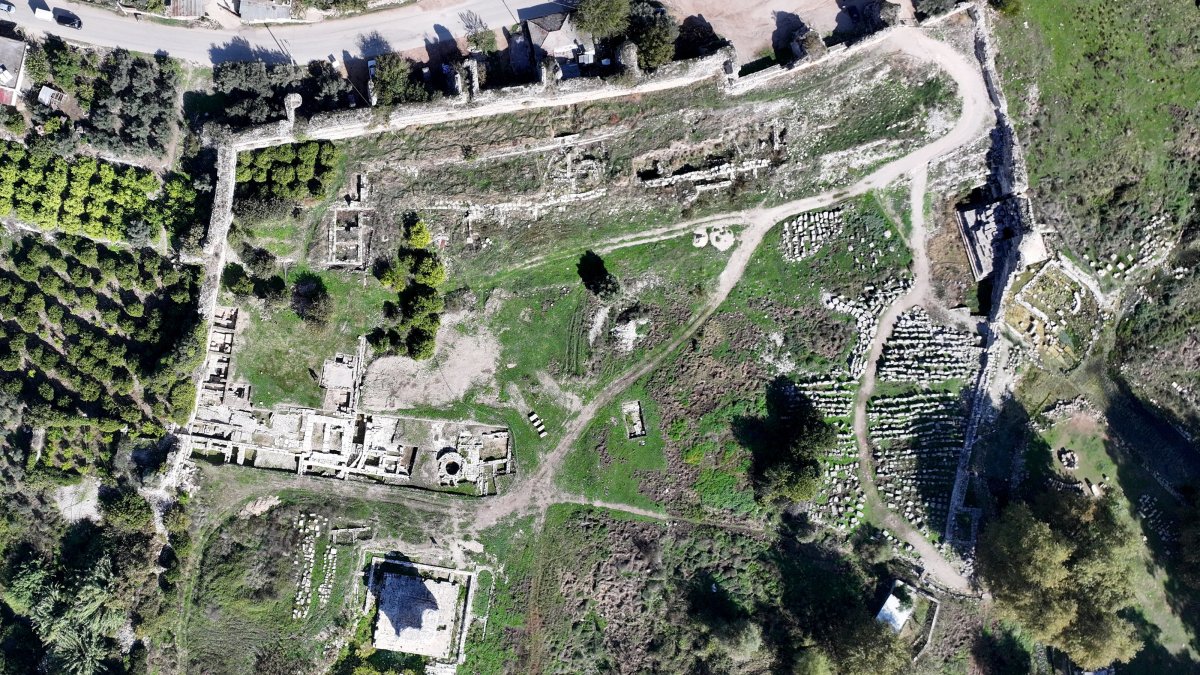 Archaeologists Finally Locate the Zeus Temple in Turkey After Decades of Search
Limyra: A Hub of Ancient Power and Faith
Limyra, located in the Antalya province of southern Turkey, holds an essential place in the ancient history of the Lycian civilization. Situated at the foot of Toçak Mountain, the city was once the capital of Lycia during the reign of King Pericles. Known for its wealth of archaeological treasures, Limyra features rock tombs, city walls, and monuments from various historical periods, including the famous “Pericles Heroon” monumental tomb and a Roman bath. The discovery of the Zeus Temple adds another layer of significance to this historically rich site.
The importance of Zeus to the city is evident not just in the temple’s existence, but also in the city’s development. During the classical period, the people of Limyra would have seen Zeus as their protector and chief deity, with the temple serving as a focal point for religious life. The city’s strategic location and its cultural importance during the Roman and Byzantine periods further emphasize the central role of religion in shaping Limyra’s identity.
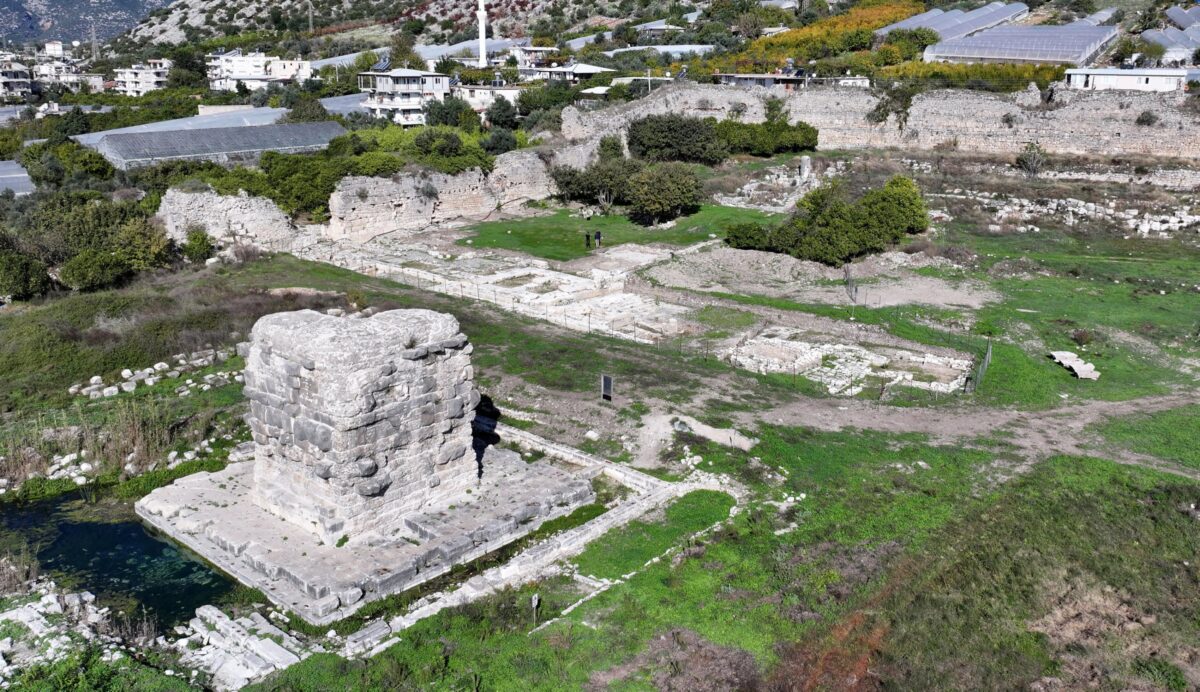 A general view of the ancient city of Limyra, Antalya, southern Türkiye, Nov. 11, 2025. (AA Photo)
How the Temple Was Discovered
The uncovering of the Zeus Temple in Limyra came as a result of ongoing excavation work in the region. Led by Sezgin and the team at the Austrian Archaeological Institute, the dig focused on areas that had previously shown signs of significant ancient structures. In particular, the team concentrated their efforts on the western side of the city, where the temple was thought to have been located based on previous research.
Through a combination of archaeological evidence and historical texts, the team was able to pinpoint the temple’s general location. “We have found the temple mentioned in epigraphic sources since 1982, but its location remained unknown for decades. Based on archaeological evidence, we determined that this is likely the Zeus Temple, built during the classical period,” Sezgin noted. The team uncovered the main entrance of the temple, along with the anta walls that form its portico. This discovery sheds light on the temple’s grand design and its importance as a center for religious and civic life.
Reinterpreting Limyra’s Urban Development
The discovery of the Zeus Temple has prompted archaeologists to reassess their understanding of Limyra’s urban planning. For years, a monumental gate called the “propylon” was thought to be part of the Roman Avenue, a major street in the city. However, the recent findings suggest that this gate originally served as the entrance to the sacred precinct of the Zeus Temple during the classical period.
Sezgin elaborated on this shift in understanding, stating, “For years, a monumental gate called the propylon was identified beneath the Roman Avenue. We now understand that this gate served as the entrance to the temple’s sacred precinct during the classical period. The wall previously thought to belong to the Hellenistic city fortification is now recognized as part of the temple’s protective enclosure.” This revelation helps clarify the relationship between the city’s public and sacred spaces, offering new insights into the way Limyra’s residents interacted with their religious and urban environment.