
Published on
December 17, 2025

In Montenegro, January 7th is not just another day. It marks the celebration of Christmas according to the Orthodox Christian tradition, which follows the Julian calendar. This calendar, still in use by many Orthodox churches, is 13 days behind the Gregorian calendar, making Christmas in Montenegro fall on a day that differs from much of the world’s celebration of December 25th. For Montenegrins, the holiday represents a time of spiritual reflection, family bonding, and a strong connection to cultural and religious traditions that have lasted for centuries.
- Celebration Date: Christmas in Montenegro is celebrated on January 7th, aligning with the Orthodox Christian faith.
- Faith and Reflection: The holiday focuses on prayer, church services, and spiritual reflection. It’s a time to honor the birth of Christ and embrace the profound significance it holds for Orthodox Christians.
The Badnjak Tradition
A key feature of Montenegrin Christmas is the Badnjak tradition. On Christmas Eve, families bring an oak branch into their homes to symbolize the coming of Christ. This branch, decorated with ribbons and other ornaments, is then burned in the fireplace as a ritual that symbolizes warmth, prosperity, and the light of Christ entering the world.
- Badnjak: The oak branch serves as a symbol of hope and renewal, marking the beginning of Christmas celebrations in Montenegro.
- Cultural Significance: This ritual is rooted in pre-Christian customs and has evolved into a deeply meaningful practice of spiritual reflection and family unity. The act of burning the Badnjak encourages togetherness and connects families with the values of faith and hope.
Christmas Feast and Traditions
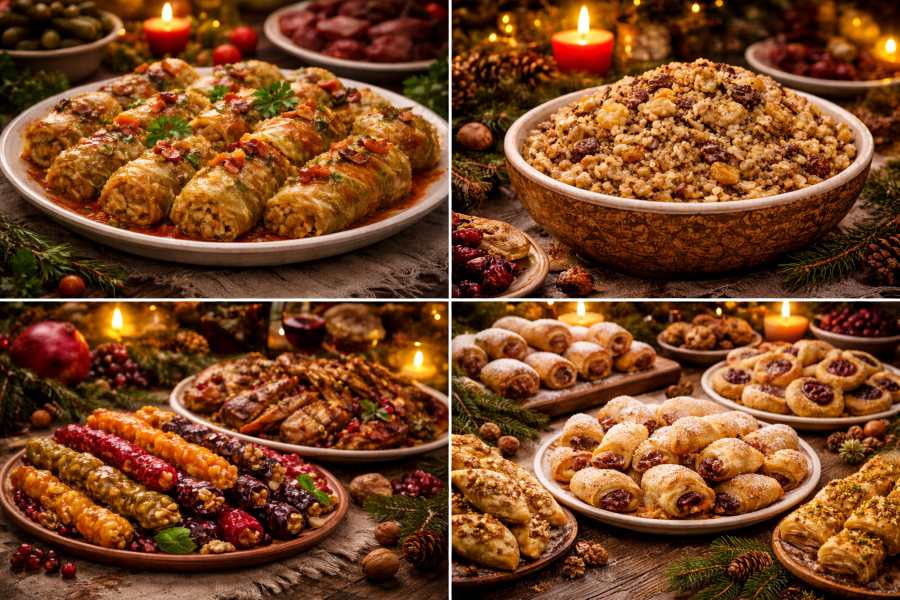
On January 7th, Montenegrins gather for a festive meal that is filled with both delicious food and cherished family traditions. Typical Montenegrin dishes such as sarma (stuffed cabbage rolls), pita (savory pies), and roasted lamb are staples of the holiday meal. These foods are accompanied by rakija, a homemade fruit brandy that holds a special place in Montenegrin hospitality.
- Traditional Dishes: The meal often includes sarma, pita, roasted lamb, and rakija, marking a time of sharing, love, and gratitude.
- Family Bonding: Christmas Day in Montenegro is focused on family gatherings. It is a time for loved ones to come together, share a meal, and strengthen the bonds that hold the family unit together.
Serbia: A Deeply Spiritual Christmas Celebration
In Serbia, like in Montenegro, January 7th is the day for Orthodox Christmas celebrations. The customs shared between Montenegro and Serbia are similar, but Serbia has its own distinctive twists, shaped by its unique cultural identity and religious practices.
Badnjak and Christmas Eve Traditions
Serbs, too, observe the Badnjak tradition on Christmas Eve. Families cut an oak branch and bring it into their homes, where it is burned in the fireplace as a symbol of Christ’s birth. The Badnjak serves as an important ritual that brings family members together in reflection and prayer.
- Badnjak: The oak branch is not just a decorative piece, but a symbol of Christ’s warmth and light entering the world.
- Family Unity: The lighting of the Badnjak enhances the sense of unity among family members, who gather in the spirit of faith and togetherness.
Feasts and Rituals
The Serbian Christmas feast is a grand occasion that includes an array of traditional foods, including roast pig, sarma, and homemade pastries. These dishes are often complemented by rakija, and families come together to share the meal, reinforcing the importance of family and community.
- Christmas Day Meal: The meal is an essential part of the Serbian Christmas tradition, where families share food and celebrate Christ’s birth.
- Religious Observance: Much like in Montenegro, many Serbs attend midnight mass or morning services to honor the sacred occasion. The church service is a time for spiritual reflection and devotion.
Gift-Giving and Celebration
In Serbia, gift-giving is also an important aspect of Christmas. Family members exchange gifts as part of the celebration, continuing the tradition of sharing love and appreciation for one another.
- Gift Exchange: This tradition serves to celebrate Christ’s birth and remind everyone of the importance of generosity and family bonds.
Russia: A Christmas of Fasting and Feasting
In Russia, Christmas takes on a particularly reflective tone. Russian Orthodox Christians observe a 40-day fasting period leading up to the holiday, making it a time of penance and spiritual preparation. The fast is broken on January 7th, and the celebrations that follow are a combination of spiritual observance and feasting.
Fasting Before Christmas Day
For Russian Orthodox Christians, the period leading up to January 7th is one of fasting. This fasting period encourages reflection, penance, and spiritual cleansing.
- 40-Day Fast: The fast lasts for 40 days, during which many abstain from meat, dairy, and other indulgences to purify both the body and the soul.
- Breaking the Fast: On Christmas Day, the fast is broken with a grand festive meal that marks the celebration of Christ’s birth.
Sochivo: A Symbolic Meal
One of the most iconic dishes served on Christmas Day in Russia is sochivo—a porridge made from wheat, honey, and poppy seeds. This dish has profound spiritual significance, symbolizing the 12 apostles.
- Sochivo: It is the centerpiece of the Christmas meal, offering both symbolic meaning and nutritious value to families celebrating together.
Church Services and Festivities
The midnight mass or morning services in Russia are a vital part of the Christmas celebrations, where hymns and prayers fill the church as Russians honor Christ’s birth.
- Midnight Mass: Many Russians attend midnight mass or early church services, where the spiritual significance of the holiday is reflected upon.
- Celebratory Meals: After attending church services, families gather for a feast, sharing traditional foods and celebrating the holiday.
Georgia: A Blend of Fasting, Prayer, and Feast
In Georgia, Christmas is celebrated on January 7th, following the same traditions of fasting, prayer, and family gatherings that are observed in Serbia and Russia.
Church Services and Fasting
Before Christmas Day, many Georgians fast by abstaining from meat and dairy products. The fast is considered an essential part of the spiritual preparation for the celebration.
- Fasting: Georgians practice fasting to purify their bodies and minds, ensuring they are ready to welcome Christ’s birth.
- Religious Observance: On Christmas Day, families attend church services, where hymns and prayers fill the air, creating an atmosphere of spiritual reflection.
Traditional Georgian Christmas Feast
After breaking the fast, Georgian families gather around a festive table filled with traditional Christmas dishes like churchkhela (a candy made from walnuts and grape juice) and roast meats.
- Christmas Meal: The meal is a time of celebration, where families come together to thank God for the gift of Christ and share joy.
- Georgian Hospitality: The hospitality in Georgia is known for being warm and welcoming, with families inviting friends and relatives to join in the holiday feast.
The Significance of Orthodox Christmas in These Countries
For Montenegro, Serbia, Russia, and Georgia, January 7th represents not only the birth of Christ but also a time for deep spiritual reflection and family unity. These countries share a common bond in their Orthodox Christian traditions, but each has its own unique way of celebrating the holiday.
- Spiritual Reflection: The holiday centers around faith, with a focus on church services, family, and shared meals.
- Cultural Traditions: Each country celebrates in its own unique way, but all share a deep commitment to Orthodox traditions.
A Unique Christmas Experience
For those looking for a unique Christmas experience, Montenegro, Serbia, Russia, and Georgia offer a wonderful opportunity to witness centuries-old customs, traditions, and rituals that have been passed down through generations. These countries offer a spiritual and family-centered celebration, making them perfect destinations for travelers seeking to experience authentic Christmas traditions.
