
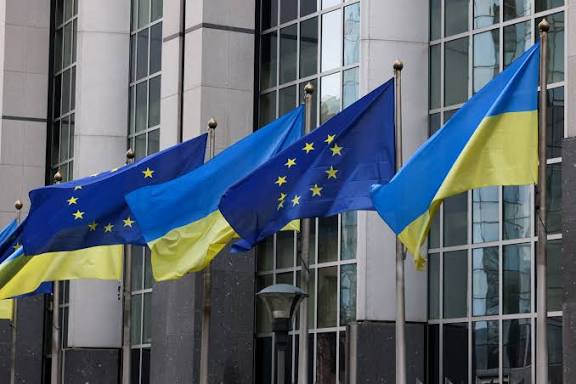
The European Union’s ambitious plan to channel seized Russian assets into aid for Ukraine has hit a critical juncture: Malta is being asked to provide €170 million in guarantees to enable the scheme. The proposal, part of a broader EU initiative to support Kyiv amid the ongoing conflict with Russia, underscores the complex interplay of finance, law, and geopolitics as European nations seek to turn frozen Russian assets into tangible support for Ukraine.
Turning Frozen Assets into Aid
Since Russia’s invasion of Ukraine in 2022, EU nations have frozen billions of euros in Russian state and private assets. While these assets are currently immobilized, officials in Brussels have explored ways to convert them into emergency funding for Ukraine. The objective is to create a stable financial mechanism to support Ukraine’s military, humanitarian, and reconstruction needs while maintaining compliance with international law.
However, legal and logistical hurdles abound. Many frozen assets are tied up in international banking systems, often with complex ownership structures. Using them directly could trigger legal disputes or retaliatory actions. As a solution, EU authorities have proposed that Malta, one of the smaller member states, provide guarantees to back the initiative, thereby ensuring accountability and financial stability.
Malta’s Critical Role
Malta’s participation is pivotal. The €170 million guarantee requested from Malta would serve as a safeguard, ensuring that the use of frozen Russian funds is secure and that any legal challenges can be addressed without destabilizing the broader EU financial system. Maltese officials have acknowledged the gravity of the request, noting that while the country is committed to European solidarity, careful scrutiny is necessary.
“Providing guarantees of this scale is unprecedented for a country like Malta,” said a financial analyst familiar with the discussions. “But it also highlights the collaborative nature of EU efforts—smaller member states play essential roles in collective security and financial strategies.”
Impact on Ukraine
For Ukraine, the EU’s plan represents a lifeline. The country faces enormous financial pressures due to ongoing military operations, humanitarian crises, and the need to rebuild infrastructure in war-affected regions. According to Ukrainian officials, timely access to these funds could stabilize critical defense programs, including the production of drones, armored vehicles, and other key military assets.
President Volodymyr Zelenskyy has repeatedly emphasized the importance of European financial support. “Every delay in unlocking these resources has direct consequences on the battlefield,” he stated during a recent address to EU leaders. “We need concrete action, and guarantees from all partners, including Malta, are part of that solution.”
Legal and Political Challenges
The EU plan is not without controversy. Legal experts caution that repurposing seized assets, even for humanitarian or defense purposes, must navigate intricate international and domestic laws. There are concerns about precedent, ownership rights, and potential retaliatory measures from Russia.
Politically, the scheme requires consensus among member states. While larger economies such as Germany, France, and Italy have expressed support, smaller countries like Malta and Luxembourg are scrutinizing the risks involved. The €170 million guarantee is a significant ask for Malta, representing both a financial commitment and a diplomatic stance in the EU’s broader strategy to back Ukraine.
Balancing Risk and Solidarity
The EU’s approach reflects a delicate balance between solidarity and risk management. By seeking guarantees from Malta, Brussels aims to mitigate financial exposure while ensuring that the funds reach Ukraine efficiently. Advocates argue that without such backing, the initiative could stall, leaving Ukraine without critical support at a pivotal moment in the conflict.
“Guarantees are a form of insurance, but they also symbolize trust and cooperation among EU nations,” noted Dr. Elena Richter, a European policy analyst. “It is a way of showing that despite differing national capacities, all member states are united in supporting Ukraine.”
Looking Ahead
The next weeks will be crucial as Malta reviews the request and EU officials work to finalize legal frameworks. Successful implementation could pave the way for additional support mechanisms, potentially unlocking billions in frozen Russian assets for Ukraine. Failure, however, could slow down much-needed assistance and create political friction within the EU.
For Ukraine, the stakes are clear. The ability to access European funds is critical to sustaining military operations, protecting civilians, and stabilizing a nation under siege. For Malta and other EU members, the decision involves weighing financial risk against moral and strategic imperatives.
As Europe grapples with the long-term consequences of Russia’s aggression, the €170 million guarantee requested from Malta may prove to be more than just a financial figure—it represents a litmus test for EU unity, legal innovation, and commitment to supporting a nation under unprecedented duress.