
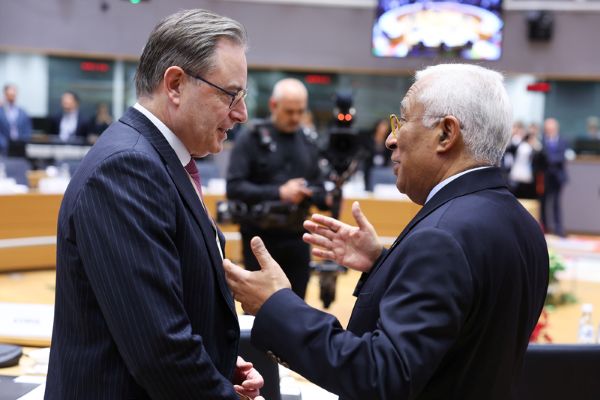
For several decades, Belgium has been central to the functioning of the European Union, housing the headquarters of the EU’s primary institutions and NATO. However, during the recent summit of presidents and government leaders, tensions surrounding Belgium and its Prime Minister, Bart De Wever, emerged, raising concerns that could have long-term implications across the world’s largest trading bloc.
These tensions arise from a proposal to use frozen Russian assets to support Ukraine’s military and economic needs over the next two years. A significant portion of this frozen capital is currently held at Euroclear, a financial clearinghouse based in Brussels. There are apprehensions in Belgium about potential Russian retaliation, which might manifest through legal action or other measures.
Prime Minister De Wever, who has expressed aspirations for greater autonomy for the northern Flanders region and advocated for reform of Belgium’s state structures, is urging European unity in addressing these issues. He has articulated to Belgian lawmakers that the plan for “reparations loans” significantly heightens the risk of Russian reprisals, stating, “It is not acceptable that this situation affects Belgium alone. If we are to take action, we must do so together.”
The frozen assets at Euroclear total approximately €193 billion as of September, representing nearly one-third of Belgium’s gross domestic product. Given Belgium’s current debt levels and its standing as one of the least fiscally robust performers within the EU, the Prime Minister faces considerable challenges. For months, he has endeavoured to guide a coalition of five parties toward a budgetary consensus. Still, recent negotiations have complicated the possibility of authorising a loan to Ukraine, which might jeopardise Belgium’s financial stability.
As discussions on the “reparations loans” progressed, the Belgian government consistently highlighted the potential for retaliation. Following prior talks among EU leaders in October, Belgian Defence Minister Theo Francken indicated that a series of drone incidents at Belgian airports and military facilities appeared to be a “spying operation” intended to destabilise the country. However, the responsible parties were not identified.
In the lead-up to the summit, Belgian officials observed that the Russian Central Bank had filed a lawsuit against Euroclear for an amount exceeding the funds currently held by the clearinghouse, raising concerns that further legal actions may follow. Some EU member states contend that Prime Minister De Wever’s outspoken opposition to the loans may have constrained his position, potentially leaving him in a challenging predicament.
Ukrainian President Volodymyr Zelenskyy acknowledged the risks identified by De Wever but emphasised that Ukraine faces even greater challenges. He stated, “Ukraine has the right to these funds, as Russia is causing widespread destruction.”
Belgium’s firm stance raises critical questions for its EU partners regarding the need to advance without Prime Minister De Wever’s endorsement. Ukraine requires these funds as early as next year, and there is consensus on the pressing need for financial assistance. Blocking the loans would necessitate objections from at least nine countries, and no such blocking minority currently exists. However, bypassing Belgium—especially given its founding member status in the EU—could have detrimental effects on future decision-making processes within the Union, complicating the formation of majorities and possibly encouraging other countries to exercise their vetoes.
“Let us not deceive ourselves. If we do not succeed in this, the European Union’s ability to act will be severely damaged for years, if not for a longer period,“ German Chancellor Friedrich Merz said of the loan plan on Monday.
The challenge for Prime Minister De Wever is determining whether the potential legal and financial repercussions for Belgium outweigh the risks of undermining the country’s credibility with both its European partners and Ukraine. Regardless of the outcomes, the summit chairman, EU Council President António Costa, has committed to maintaining negotiations until a funding agreement is achieved, even if this process extends over several days.