
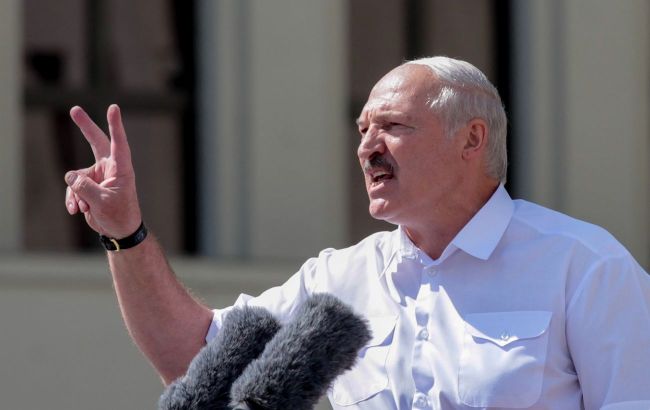
Lukashenko explained that a system of governance has already been created in the country that should not depend solely on a single office.
“Although I am often criticized for saying this, I am not eternal. Yes, we have created a system in which much depends on the president, and I thank you for supporting me,” he said at the assembly.
“I cannot be president forever, and there is no need for that,” the Belarusian leader stressed.
According to him, the task of the current authorities is to ensure the resilience of state institutions and continuity of policy after a change in leadership.
Lukashenko emphasized that the All-Belarusian People’s Assembly, whose constitutional status was enshrined at a referendum, should become one of the key elements of such a system. He also added that he counts on the delegates’ support regarding the further structure of the country’s political model.
Lukashenko in power
Alexander Lukashenko has ruled Belarus since July 20, 1994. As of December 2025, this amounts to more than 31 years in power — the longest uninterrupted term of office among all leaders of post-Soviet countries.
Notably, in the 2020 election, Lukashenko was declared the winner with 81% of the vote — results that were not recognized abroad due to numerous reports of fraud.
After the announcement of the results, mass protests erupted across the country. The authorities violently dispersed the demonstrations, and about 35,000 people were detained.
At the same time, in August 2025, Alexander Lukashenko said he would not run in the next “presidential election” and assured that his son, Nikolay, would not become his successor.
More recently, Lukashenko admitted why he governs Belarus “in a dictatorial way.”