
Fraud used to feel like something that happened to “other” people. Now it’s just part of doing business. If your company shows up in public places — state business filings, government contract awards, SAM.gov, online directories — you’re easier to find and easier to impersonate. This piece explains why your phone and inbox are getting slammed, how scammers use public information to sound believable, and a few simple habits that can help you and your team shut them down before they do damage.
If you own or manage a business today, you’re not just juggling sales, payroll, and staffing — you’re also dodging a constant wave of fraud. Scammers know your business name, address, owners, and sometimes even your contracts are public information. They use that info to sound convincing when they call, email, or mail you “urgent” notices that look official but aren’t.
A lot of these scams fall into the same basic pattern. Criminals pretend to be a government agency or a well‑known company. They reference real laws, deadlines, or contracts they’ve pulled from public sites. Then they pile on the pressure: “This must be paid today,” “Your registration is about to expire,” “You could face penalties if you don’t act now.” They often push unusual payment methods or want sensitive information right away.
If you do any kind of government work, you’re an especially attractive target. Scammers create fake Requests for Quotes that look like they’re from real agencies, use stolen logos and signatures, and ask you to ship goods to addresses that aren’t actually government locations. Others send official‑looking “compliance” letters or emails about your business registration or SAM.gov account and try to charge you unnecessary fees for services that are free — or not needed at all.
The good news is you don’t have to be a fraud expert to protect your business. A few simple habits go a long way: slow down when something feels urgent, verify the caller or sender using contact information you look up yourself, and never send money or share sensitive details based only on an unexpected call, email, or letter. When you build these habits into the way you and your team work every day, you make it much harder for fraudsters to turn your public information into real harm.
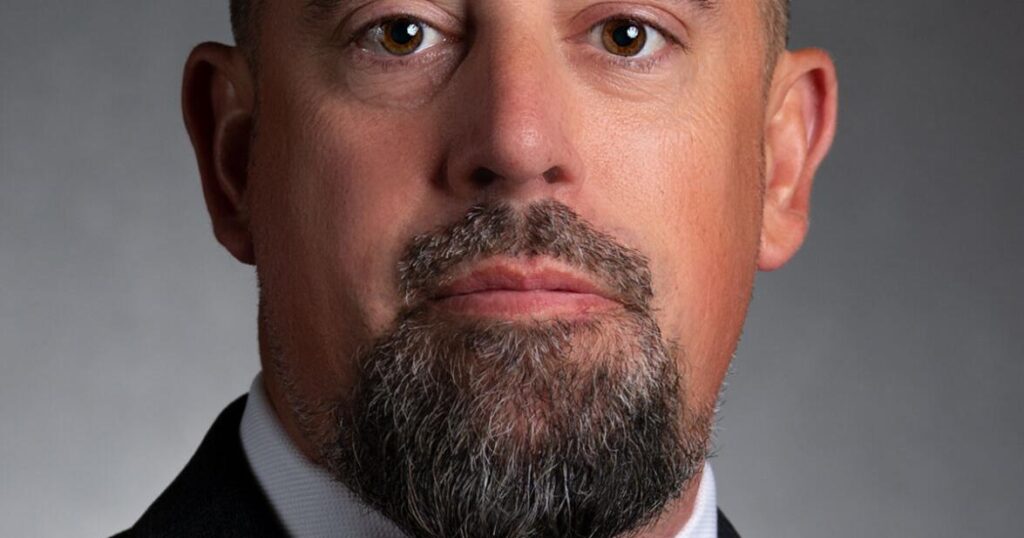
Luke Squires serves as the Fort Wayne Region President, bringing 25 years of expertise in banking and commercial lending. His leadership focuses on driving growth and delivering tailored financial solutions to businesses and individuals in the region.