
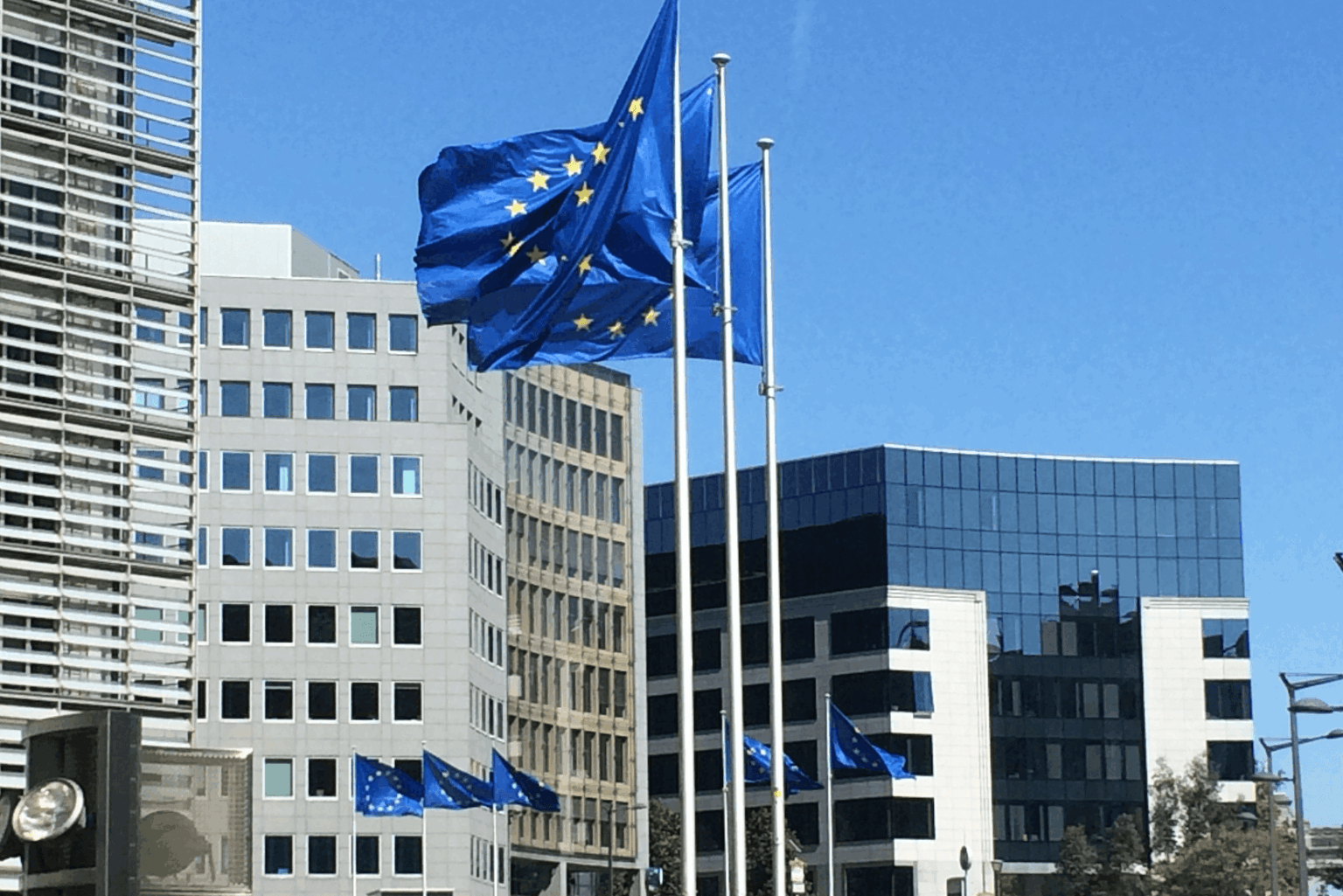
Belgium provided such a moment this week. At a summit billed as a test of Europe’s resolve in supporting Ukraine, Brussels chose not courage, not clarity, but cowardice — blocking a plan to use frozen Russian sovereign assets to fund Ukraine’s defence and reconstruction, and thereby leaving EU taxpayers to shoulder the burden instead.
It is an astonishing failure of leadership from the country that hosts the European institutions and loves to cloak itself in the language of continental virtue.
At stake were roughly €210 billion in frozen Russian central bank assets held across the EU, the vast majority located in Belgium via the Brussels-based clearing house Euroclear. These are not obscure bonds tucked away in legal ambiguity; they are state assets immobilised explicitly in response to Moscow’s invasion of Ukraine. They were seized because Russia committed what is widely acknowledged as the gravest breach of peace on the continent since 1945.
Yet when presented with a plan to deploy a portion of those assets to support Ukraine through 2026–27, Belgium slammed on the brakes. Prime Minister Bart De Wever demanded sweeping guarantees against any potential legal retaliation — guarantees so broad, so politically unrealistic, and so financially self-serving that the proposal effectively died on the table.
Instead, the EU has been forced into the inferior fallback: raising €90 billion in joint borrowing on capital markets, backed by the EU budget. In practical terms, that means taxpayers — not Moscow — will now finance Ukraine’s survival.
Nothing demonstrates the absurdity of this more clearly than the Belgian government’s own priorities. As EU Today revealed in its widely-circulated analysis, the immobilised Russian assets generate substantial revenue for Belgium through taxation of the interest Euroclear earns on them. In a country struggling with chronic budget deficits and political fragility, that tax windfall is a temptingly convenient prop for the domestic books. It is hardly cynical to note that protecting that revenue stream appears to have weighed far more heavily in Belgian deliberations than the fate of Ukrainian civilians.
The legal concerns Belgium cites are, at best, exaggerated and, at worst, weaponised as a political shield. Russia has already launched lawsuits against European entities out of spite and strategy, and it will continue to do so regardless of whether the EU uses the frozen assets or not. To let the Kremlin’s litigation threats dictate Europe’s policy choices is to hand Vladimir Putin an effective veto over the continent’s security decisions.
Belgium’s defenders claim this is merely a matter of prudent risk management. But prudence is not an excuse for paralysis — not when a sovereign democracy is fighting for its life. In practice, Belgium’s stance represents an abdication of moral responsibility dressed up in the language of legal hygiene.
There is a broader danger here, too. By allowing one small member state to wield its position as custodian of Russian funds as a bargaining chip, the EU exposes a gaping structural vulnerability. The Union likes to imagine itself a geopolitical actor; yet it remains hostage to the narrowest of national prerogatives. When unanimity becomes a licence for obstruction, solidarity becomes performance rather than practice.
Ukraine, for its part, is trapped in a cycle of financial firefighting. The country needs predictable, multi-annual support to maintain basic services and sustain its defence. Every time EU leaders fail to agree on using the very funds seized in response to Russian aggression, they reinforce the grotesque impression that Europe is prepared to talk tough but unwilling to act decisively.
What message does this send to Moscow? That Europe is intimidated by legal ambiguity. That it flinches at the prospect of confrontation. That even when Russia’s own money is sitting in European vaults, Europe would rather tap its own taxpayers than risk upsetting the Kremlin. It is difficult to imagine a more self-defeating signal.
Belgium’s behaviour ultimately forces a blunt question: if the purpose of freezing Russian assets was not to ensure Moscow bears some financial responsibility for its war, then what, precisely, was the point? As things stand, Europe has immobilised the money but immobilised its political will along with it.
The EU will survive Belgium’s obstruction this week. Ukraine will survive, too — though at greater cost, in both treasure and risk. But the credibility of European decision-making has taken another hit, and Belgium’s moral standing has eroded further.
History tends to remember not the legal footnotes but the moral choices. When Ukraine needed Europe to match words with deeds, Belgium chose the balance sheet. Europe — and Ukraine — deserved far better.
Click here for more News & Current Affairs at EU TodayClick here to check out EU TODAY’S SPORTS PAGE!
____________________________________________________________________________________________________________________________
Post Views: 842