
Published on
December 19, 2025

Nina Drakić, President of the Chamber of Commerce of Montenegro, has stressed that what Montenegro’s tourism sector needs is an adoption of practical solutions, which will keep it resilient and competitive with increasing regional and global competition. At the “New Days of Better Tourism” conference, Drakić presented the country’s tourism initiatives and shared her point of view on how Montenegro can continue to thrive out of challenges, both internal obstacles and those imposed by strong external pressures.
With the tourism sector in Montenegro playing an extremely important role in the country’s economy, such initiatives are targeted at enhancing the sustainability of the sector and fostering year-round tourism that can help raise the competitiveness of the destination. The conference was a useful platform for discussing concrete proposals and measures that were intended to deal with evolving tourism market dynamics.
The Need for Long-Term, Strategic Tourism Goals
Drakić highlighted the importance of setting clear, strategic goals for the country’s tourism sector. She noted that Montenegro must adapt to the changing global tourism landscape by taking proactive measures that strengthen its competitive edge. One of the key challenges the country faces is the seasonality of its tourism industry, which peaks during the summer months and drops off significantly during the off-season.
To combat this issue, Drakić believes that Montenegro’s tourism sector needs to implement short-term, medium-term, and long-term strategies. By dividing the approach into these three phases, Montenegro can achieve faster results while ensuring that the actions taken are realistic and sustainable.
The main objective, Drakić said, is to design tourism experiences that can attract visitors year-round, ensuring that the country remains appealing even during the off-peak seasons. This means diversifying the tourism offerings beyond the summer season and creating a wide range of experiences that will engage travelers throughout the entire year.
Developing Year-Round Tourism Programs
A central part of this strategy is the development of year-round tourist programs that will maintain visitor interest beyond the traditional summer months. Drakić stressed the importance of offering diverse tourism options that cater to various interests and preferences, whether it be cultural experiences, nature tours, or wellness retreats.
She specifically mentioned the need to enhance tourism in Montenegro’s northern regions, which are traditionally more dependent on winter sports like skiing. While winter tourism remains a key part of the northern economy, Drakić suggested that compensatory measures, such as the development of cultural tours, events, and festivals, should be introduced to maintain tourism flows throughout the year. This shift would not only help balance the seasonality but also promote the northern part of the country as a year-round destination.
Drakić proposed the organization of cultural and historical tours, as well as events that showcase the unique attractions of the region. This would help raise the profile of the northern mountains, offering an alternative to skiing and encouraging visitors to explore the area even during the off-season. By building the region as a year-round tourist destination, Montenegro can tap into a broader market of travelers seeking diverse, immersive experiences.
A Growing Tourism Infrastructure and Optimism for 2026
Montenegro’s tourism infrastructure has seen significant growth, and this is expected to continue in the coming years. One of the standout achievements of 2025 has been the record-breaking performance of the country’s airports. Roko Tolić, the CEO of Airports of Montenegro, reported an unprecedented three million passengers passing through Montenegrin airports this year, a figure expected to rise even further by the end of 2025.
Tolić emphasized that the positive growth in passenger traffic reflects the increasing demand for travel to Montenegro. However, he also warned that sustaining this growth will require significant investment in infrastructure. Montenegro’s airports have already reached their capacity, and further expansion will depend on substantial infrastructure development.
To maintain the momentum of growth, Tolić indicated that it would no longer be sufficient to rely solely on financial negotiations and incentive schemes. While Airports of Montenegro invested €13 million in incentives this year to attract airline partners, further progress will require deeper investments in infrastructure, such as terminal expansions and improved facilities to accommodate the growing number of travelers.
Tolić’s optimistic outlook for 2026 is tempered by the understanding that these investments are essential for continued growth. Without addressing the infrastructure bottlenecks, Montenegro may struggle to maintain its position as a growing tourism destination. The need for strategic investments in airports, transport, and other services is becoming increasingly urgent as the country’s appeal continues to rise.
The Role of Tourism in Economic and Job Growth
Montenegro’s tourism sector not only contributes significantly to the country’s economy but also plays an essential role in job creation. The tourism industry has been a major source of employment, and the growth in tourism activity has created new opportunities for local businesses, hospitality providers, and other sectors.
In the past year, Montenegro has created nearly 16,100 new jobs in tourism-related industries, which is a testament to the expanding role of tourism in the national economy. The opening of 954 new accommodation facilities, including hotels, guesthouses, and hostels, has also been a major contributor to this growth. With a total of 6,861 accommodation facilities in the country, offering 184,000 beds, Montenegro is steadily improving its capacity to welcome tourists from around the world.
The increase in jobs and tourism infrastructure also has positive knock-on effects for local communities. Smaller towns and regions outside the major tourist centers are benefiting from the increased demand for services, products, and experiences. As a result, tourism is helping to drive sustainable development and providing long-term economic opportunities for many Montenegrins.
Marketing and Promotion of Montenegro’s Tourism Potential
To further capitalize on this growth, Montenegro has been actively promoting its tourism potential through international marketing campaigns. The country has participated in 21 major international tourism exhibitions and fairs, enhancing its visibility in key source markets. Additionally, Montenegro has declared 2024–2025 as the “Tourism Years” in Russia and China, which has led to an expected fivefold increase in tourists from China and a doubling of visitors from Russia.
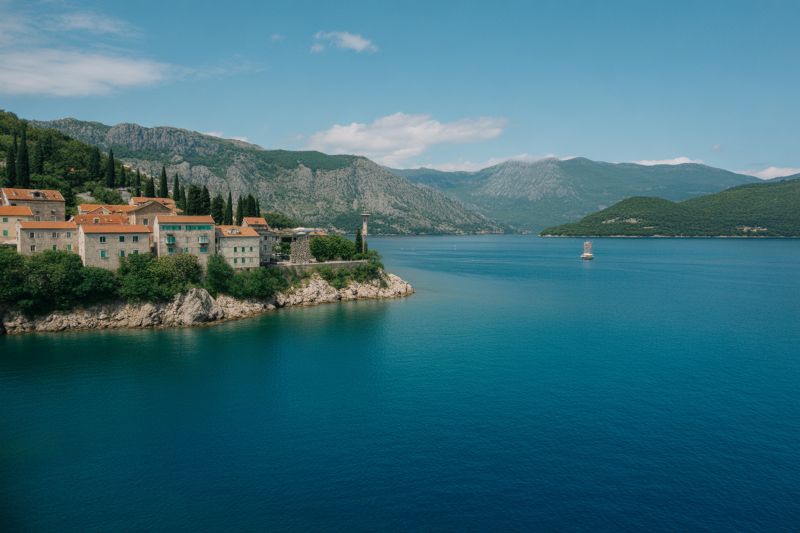
Montenegro has also received praise for its diverse tourism offerings, from the UNESCO-listed Bay of Kotor to the ancient city of Budva, and from the cultural treasures of Cetinje to the scenic beauty of its national parks. These promotions have helped solidify Montenegro’s reputation as an attractive destination for travelers seeking both history and natural beauty.
Building a Strong Future for Montenegro’s Tourism
The tourism industry in Montenegro is definitely moving along the right track, as it is experiencing significant growth both within the country’s borders and among foreign tourists. In attempting to ensure that there is tourism throughout the whole year, and also making significant infrastructure and diverse tourism product development, this country is definitely going to be among the top tourism destinations within this region. The entire effort to enhance this tourism growth will be aided by the partnership that exists among various departments and tourism and business establishments.
As plans and required frameworks are established in this sector, the tourism industry in Montenegro has a beneficial outlook as it brings economic as well as cultural growth into the country.
