
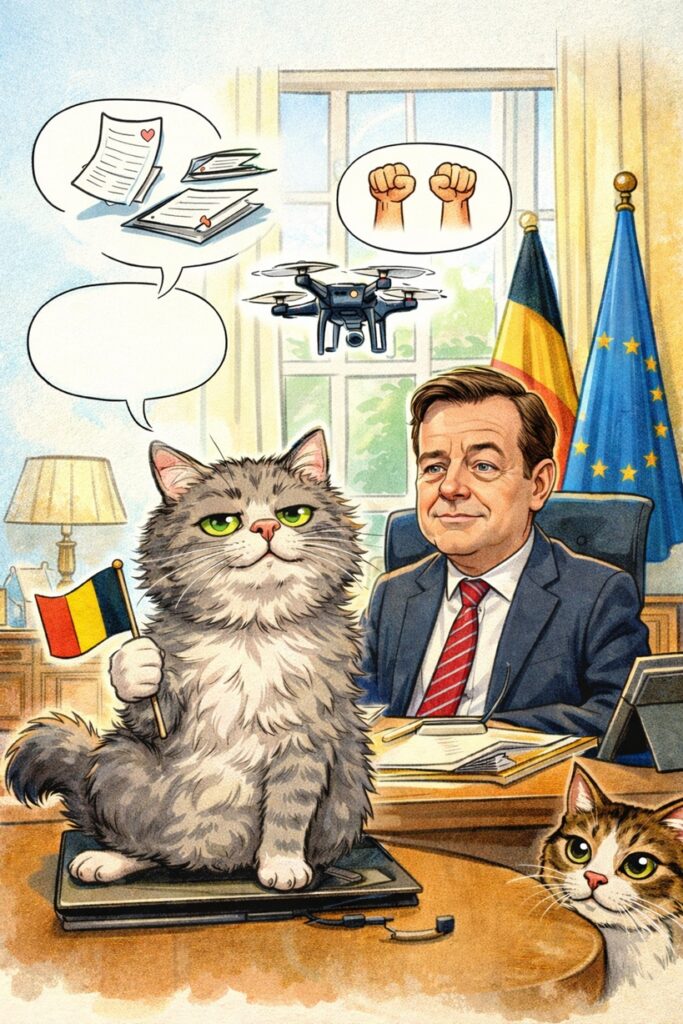
Brussels, Belgium – In the world of political public relations, pets have long served as trusted allies for softening harsh images and connecting with voters. From Larry the cat at 10 Downing Street to various presidential pooches, furry companions have proven their worth in the political arena. Now, Belgium has its own feline celebrity making waves across social media platforms.
Meet Maximus: From Shelter to Spotlight
Maximus, a rescue cat adopted by Belgian Prime Minister Bart De Wever over the summer, has transformed from a homeless feline into what could be described as Belgium’s first “fel-influencer.” The cat’s Instagram account (@maximustp16), reportedly managed by the Prime Minister’s personal assistant, has captured public attention with a mixture of humorous content and pointed political commentary.
De Wever assumed office as Prime Minister in February this year. As the head of Belgium’s government, he has faced significant challenges from opposition parties who accuse him of undermining social protections through his austerity measures.
What sets Maximus apart from other political pets is the strategic way his social media presence addresses Belgium’s current political climate. The cat’s posts offer sardonic commentary on the nation’s pressing issues, from budget disputes to rolling strikes that have marked De Wever’s tenure.
One particularly notable post came in response to news of a foiled drone-mounted explosives plot against De Wever. When asked if he could catch a drone, Maximus quipped: “No – but I’m catching dreams like no one else!” This blend of light-heartedness with serious security concerns exemplifies the delicate balance the account attempts to maintain.
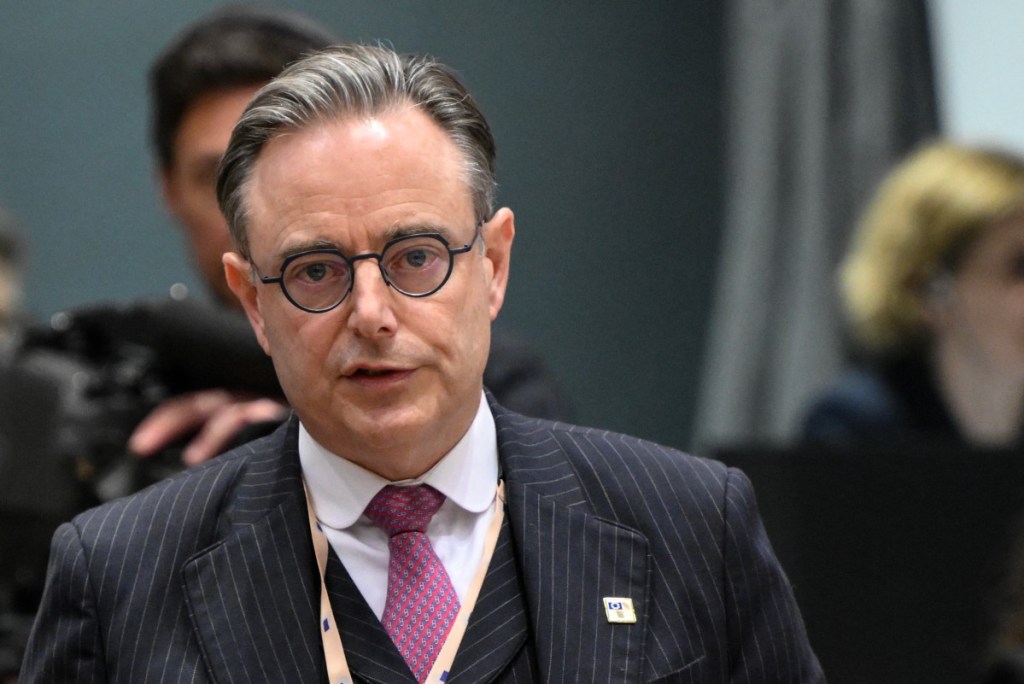 Belgian Prime Minister Bart de Wever. Photo: AFP
Controversial Content and Political Reactions
Not all of Maximus’s content has been well-received. A video showing De Wever pretending to play “Amazing Grace” on bagpipes, using Maximus’s tail as the pipe, drew sharp criticism from political opponents. This particular post was published during tense budget discussions, adding to its controversial nature.
Socialist lawmaker Patrick Prevot described the video as emblematic of De Wever’s government, characterising it as “noise and hot air.” Such criticism highlights the fine line between humanising political leaders and appearing tone-deaf during serious political crises.
Strategic Image Management
Political analyst Dave Sinardet has commented on the strategic use of Maximus as a PR tool. The cat’s presence serves multiple purposes: softening De Wever’s image as a conservative leader, providing a lighter perspective on serious political matters, and potentially deflecting attention from more contentious policy decisions.
The timing of various posts appears calculated. As De Wever’s government has faced rolling strikes and protests throughout the year – largely in response to austerity measures and policies such as a new voluntary military service for young Belgians – Maximus’s humorous takes offer a different narrative.
The Global Context of Political Pets
Maximus joins a distinguished line of political pets who have served as unofficial ambassadors for their owners. Larry, the Chief Mouser to the Cabinet Office at 10 Downing Street, has become a fixture of British political culture. The tradition spans continents and political systems, suggesting a universal appeal of pets in politics.
However, the extent to which Maximus is used for direct political commentary sets him apart from his international counterparts. Where other political pets might simply appear in feel-good photo opportunities, Maximus’s account actively engages with current events and policy debates.
Mixed Public Reception
The public’s response to Belgium’s feline political commentator has been mixed. Supporters appreciate the humour and humanity that Maximus brings to what can be dry political discourse. Critics, however, question whether such tactics trivialise serious governance issues or serve as inappropriate distractions from policy failures.
The debate over Maximus reflects broader questions about the role of social media in modern politics and the extent to which leaders should personalise their public personas. In an era where political communication increasingly relies on relatability and viral content, the line between genuine connection and calculated image management becomes increasingly blurred.
Looking Forward
As De Wever’s government continues to navigate political challenges, Maximus is likely to remain a fixture in Belgium’s political landscape. Whether the cat’s influence will prove beneficial or detrimental to De Wever’s political fortunes remains to be seen.
What is clear is that Maximus has carved out a unique niche in political communication – one that other leaders and their communications teams will undoubtedly be watching closely. In a world where political messaging must compete with countless distractions for public attention, perhaps a cat’s perspective offers just the right mix of accessibility and authority to cut through the noise.