>With hospitals struggling to function under frequent electricity blackouts, the territory’s resourceful medics are harnessing the power of the sun to power 3D printers creating medical devices for the kinds of complex fractures that have become commonplace under relentless Israeli bombing.
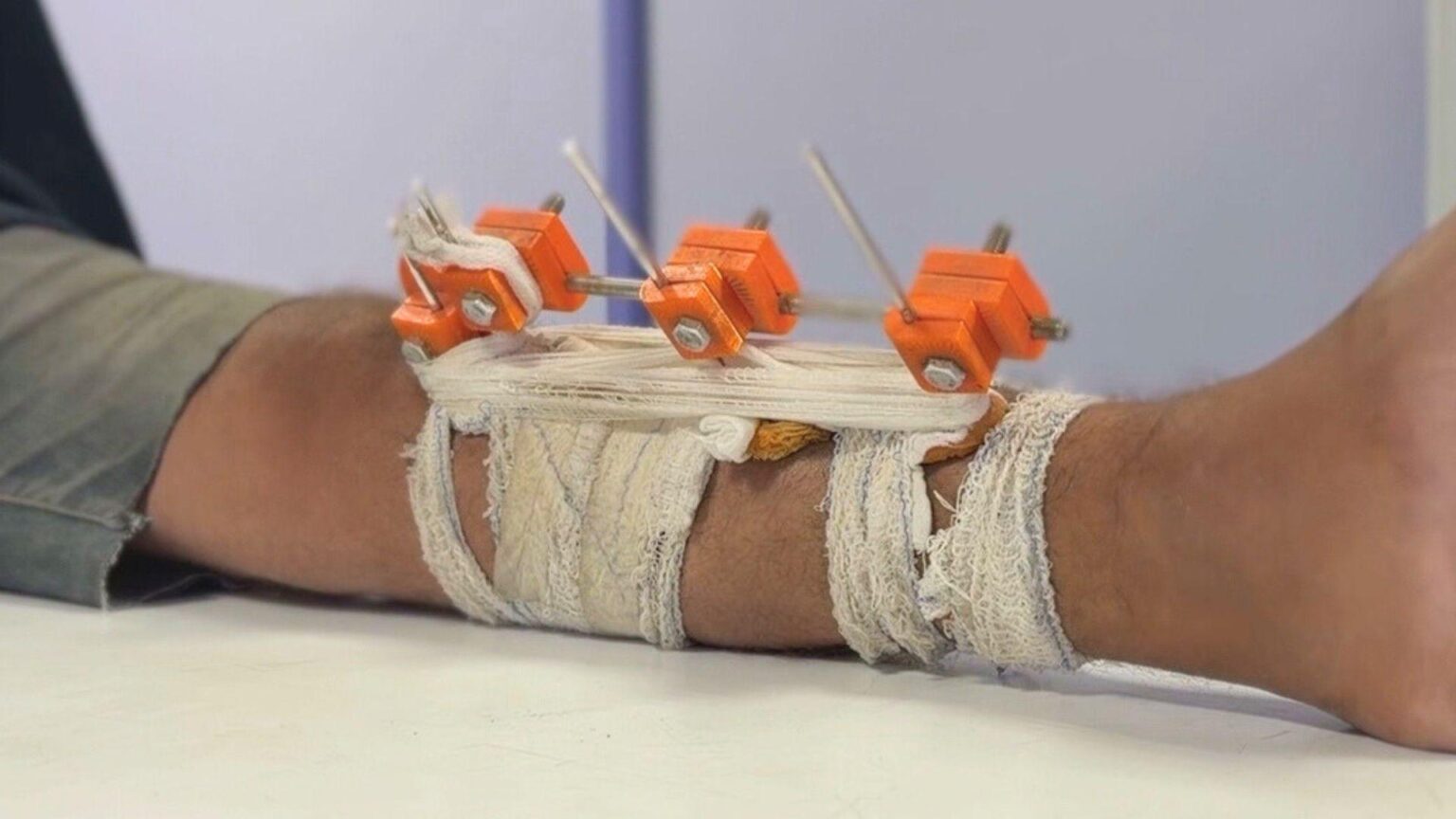
>“The types of the fracture we receive, especially in this war, were so complicated, so complex that the external fixator is the most suitable [treatment],” he explained, demonstrating how the devices are assembled at minimal cost using the 3D components, metal rods and nuts and bolts.
>Naim worked with medical solidarity organisation Glia to lead the innovation in the enclave, creating fixators that would ordinarily cost more than $500 apiece from an open-source design, with no limits on manufacture thanks to the use of solar energy.
costafilh0 on
Unless this tech is exclusive to that part of the world, which it clearly isn’t, that title is repugnant.
Not as repugnant as everything that’s happening in Gaza. But that doesn’t justify such a title.

2 Comments
>Doctors in Gaza battling the odds after the enclave’s [medical infrastructure](https://www.aljazeera.com/news/2025/4/13/timeline-israels-attacks-on-hospitals-throughout-its-war-on-gaza) was obliterated by [Israel’s genocidal war](https://www.aljazeera.com/news/2025/12/17/winter-storms-worsen-gaza-humanitarian-crisis-as-un-says-aid-still-blocked) on the besieged enclave have found an ingenious way of saving Palestinians from losing fractured limbs.
>With hospitals struggling to function under frequent electricity blackouts, the territory’s resourceful medics are harnessing the power of the sun to power 3D printers creating medical devices for the kinds of complex fractures that have become commonplace under relentless Israeli bombing.
>Dr Fadel Naim, a consultant orthopaedic surgeon and acting director general of [al-Ahli Arab Hospital](https://www.aljazeera.com/news/2025/4/13/israels-attack-on-al-alhi-hospital-in-gaza-city-draws-global-condemnation) in Gaza City, told Al Jazeera that medics were manufacturing so-called external fixators used to support shattered limbs from low-cost 3D-printed components made from recycled materials.
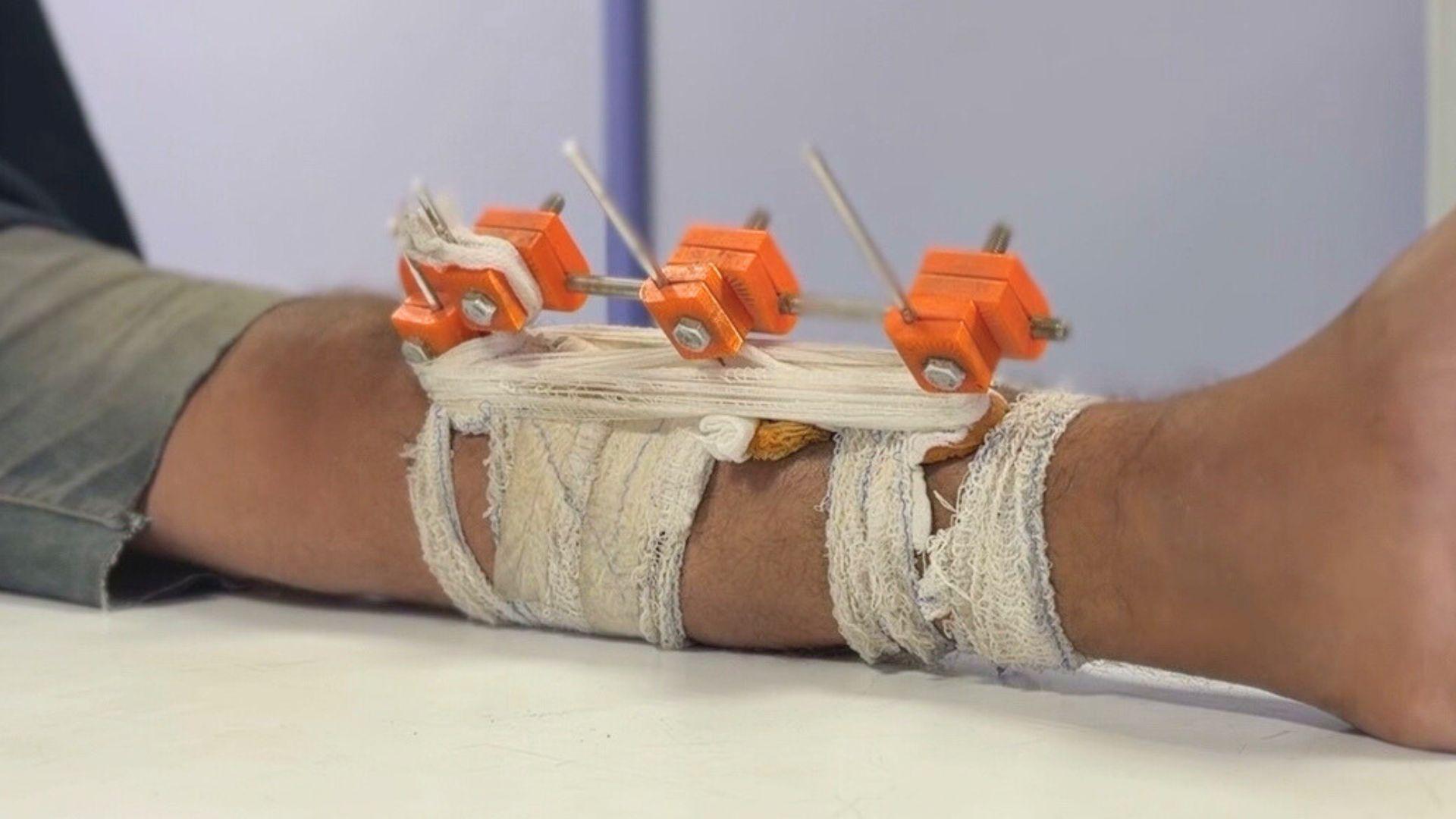
>“The types of the fracture we receive, especially in this war, were so complicated, so complex that the external fixator is the most suitable [treatment],” he explained, demonstrating how the devices are assembled at minimal cost using the 3D components, metal rods and nuts and bolts.
>Naim worked with medical solidarity organisation Glia to lead the innovation in the enclave, creating fixators that would ordinarily cost more than $500 apiece from an open-source design, with no limits on manufacture thanks to the use of solar energy.
Unless this tech is exclusive to that part of the world, which it clearly isn’t, that title is repugnant.
Not as repugnant as everything that’s happening in Gaza. But that doesn’t justify such a title.