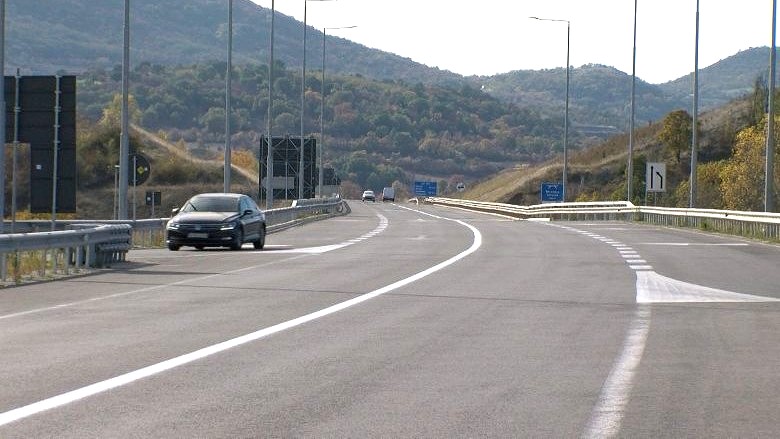
Opened on January 04, 2025, this new route has made it easier for residents to access schools and hospitals, improved road safety, and slashed travel times. “The new road means that I can spend more time with my family. In the morning, I have more time with my children while they prepare for school,” says Elena Boshkovska from Kriva Palanka, whose travel time to Kumanovo has been significantly reduced.
Moreover, the new expressway also opens doors to regional markets and new supply chains for small and medium-sized companies in the country’s northeast. That will help boost the local job market, support local farmers and small businesses reach customers faster, and make the region more attractive for investment and tourists. “Since the new road between Rankovce and Kriva Palanka opened, getting to Bulgaria is so much faster—whether you’re driving or moving goods. It’s made a real difference for everyone here,” emphasizes Vase Ivanov, a local truck driver.
Built for Resilience
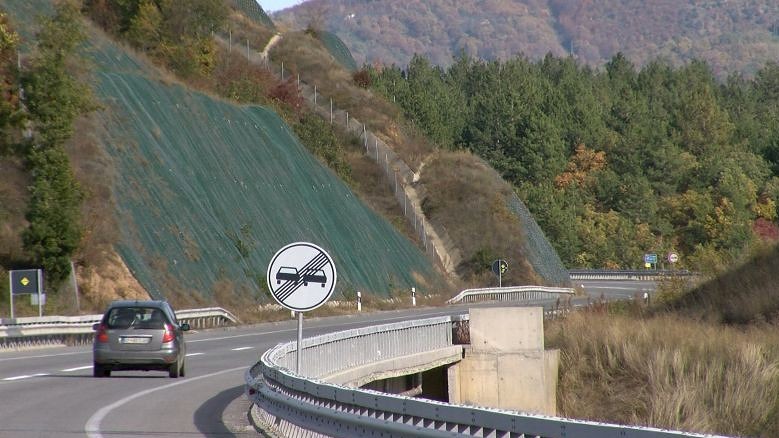
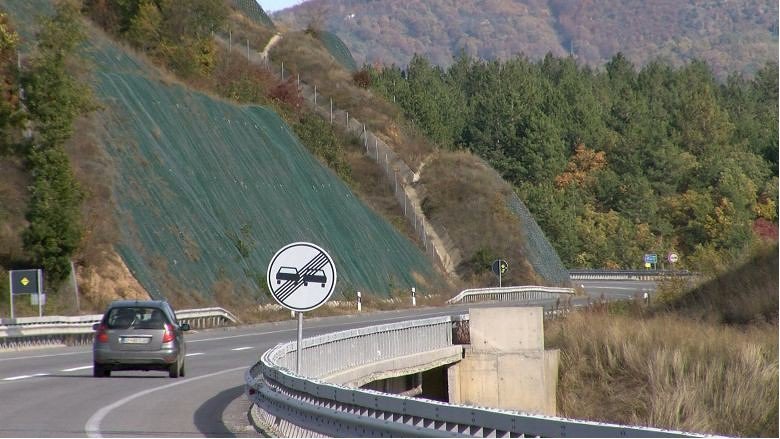
Key to this project’s success was ensuring that the road could withstand increasingly unpredictable natural hazards like storms, extreme heat, heavy rainfall and snow, as well as rock falls and landslides due to its complex geological and tectonic environment.
Since North Macedonia is prone to earthquakes and flash flooding, the expressway’s design needed to incorporate stronger climate- and disaster-risk resilience measures—such as slope stabilization, erosion protection solutions and improved drainage. Funding from the WBIF was specifically used to improve and enhance slope stabilization by the installation of steel nets, anchors, and smoother inclinations of the cut slope, and nature-based solutions like planting
Improving road infrastructure in North Macedonia is essential for boosting the country’s private sector growth: strengthening value chains, opening access to markets, cutting the costs of doing business, and attracting greater foreign direct investment. And by investing in its transit corridors, the country can overcome its landlocked geography, create jobs, and make greater progress to reducing poverty and inequality.
The new expressway between Skopje and the Bulgarian border is more than just an asphalt road—it’s a path to greater economic opportunity and a better quality of life in North Macedonia.