
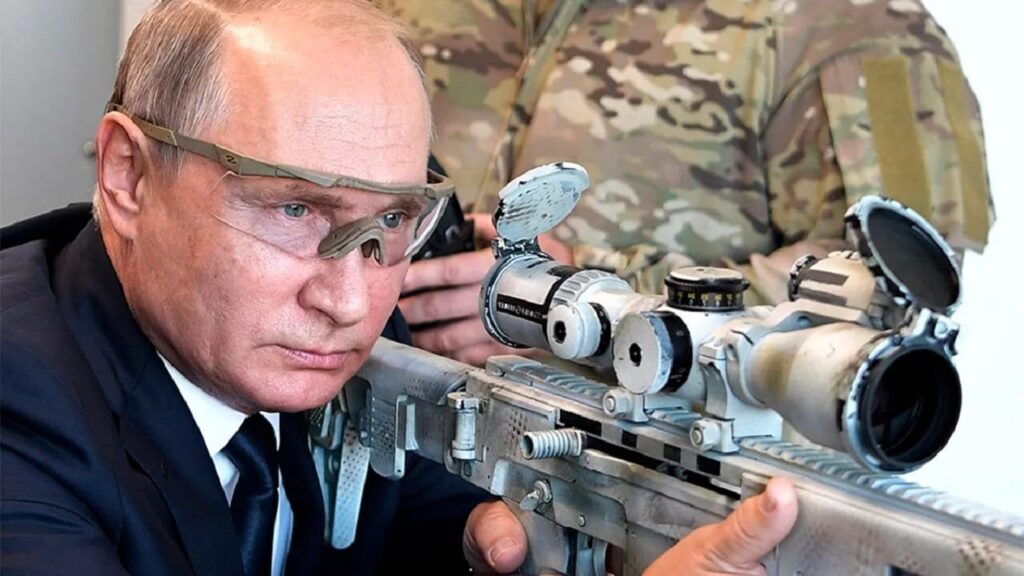
Key Points and Summary – Dr. Michael Rubin argues that forcing Ukraine to cede territory for peace rewards Russian aggression and entrenches imperial ambitions.
-He portrays Russia as a long-running colonial empire whose leaders deny the legitimacy of non-Russian identities.
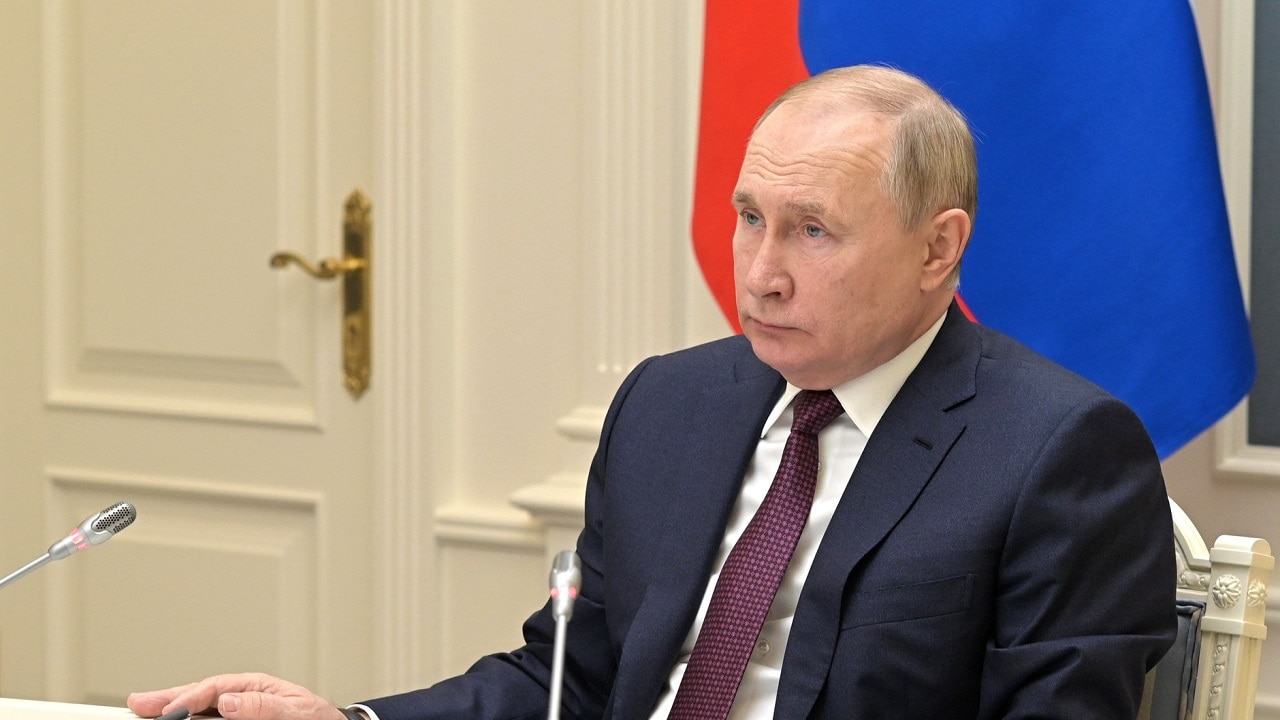
Vladimir Putin observes strategic deterrence forces exercise in the Kremlin’s situation room.
-The only durable solution, he contends, is Russia’s dissolution into its constituent republics—much as the fall of Austro-Hungary, the Ottoman Empire, and Yugoslavia ultimately enabled more stable politics.
-Dr. Rubin urges the West to recognize Russia’s ethnic republics as occupied nations, prepare for population shifts, and secure nuclear weapons during any breakup.
-The goal: shrink Russia to its historical core and permanently remove the engine of revisionism.
Permanent Peace Requires Breaking Apart Russia
President Donald Trump and his Russian counterpart, Vladimir Putin, continue to discuss a peace settlement in Ukraine that would have the former Soviet state cede territory in exchange for peace.
It is a shortsighted move that is more likely to spark conflict than extinguish it.
After all, in both 1991 and 1994, Russia had recognized the territory it now demands as Ukrainian.
By forcing Ukrainian concessions under fire, Trump not only rewards aggression but also endorses Putin’s imperialist narrative.
A Brief History of Russian Imperialism
This is the greatest danger. While American intellectuals and academics self-flagellate about supposed U.S. historical malevolence and seek to disparage any notion of American exceptionalism and British officials, including King Charles III, who apologize for some colonial excesses, the reality is that Russia was not only among the world’s most brutal colonial enterprises, but it remains unabashedly an imperialist power.
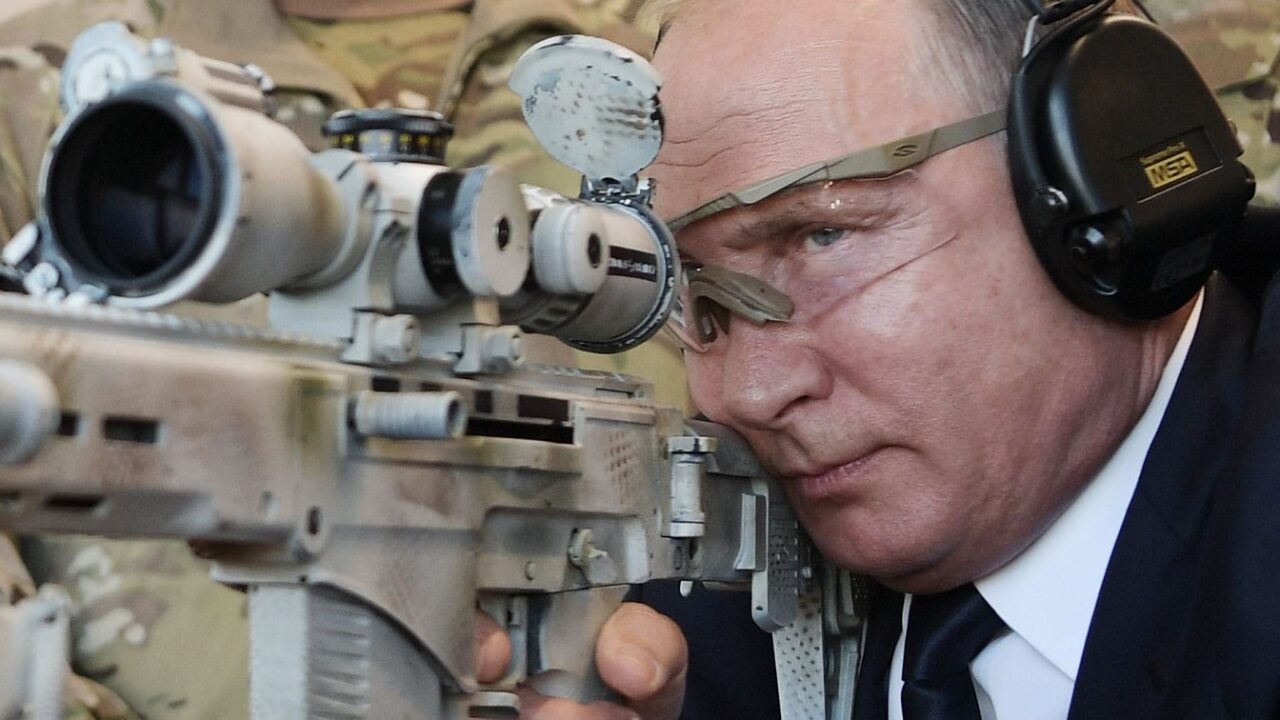
Russian President Putin. Image Credit: Creative Commons.
The only difference between Russian imperialism and its European counterparts is that when Europeans colonized countries and territories, they did so across the globe, often on the back of their navies. Hence, Great Britain seized India, the Dutch took Indonesia, and the Spanish and Portuguese colonized much of Latin America. The French confiscated territories from West and Central Africa to the Caribbean to the South Pacific. The Russian Empire, in contrast, relied upon its armies and expanded along its borders.
In the 16th century, Russia expanded, conquering khanates such as Astrakhan and Kazan, both of which were successor states built on the fragmented remains of the Mongol Empire.
Russian forces then continued into Siberia itself. The 1689 Treaty of Nerchinsk set Russia’s land border with Qing dynasty China, confirming Russian control over the Lake Baikal region. In the 18th century, Russian forces turned west, conquering the Baltic, Poland, and seizing territory from Sweden. Only the strength of the Prussians stopped Russia’s westward expansion.
In the early 19th century, Russian forces wrested the Caucasus from Persia, seizing control over Georgia, Armenia, Daghestan, and what later became Azerbaijan. Russia’s defeat in the 1853-1856 Crimean War stymied its southward expansion into Ottoman domains, and so its forces drove eastward instead, erasing numerous states and kingdoms from the map. Gone today are the khanates of Khiva, Samarkand, and Bukhara. In 1860, Russia seized the Amur region from China, reaching the Pacific Ocean.
While the Russian Empire was smaller than the British Empire in total landmass, Russia’s colonial possessions dwarfed those of France.
Russia also distinguished itself with its brutality. It enslaved conquered people like the Aleuts, and displaced or killed more than 95 percent of the Circassians during Russia’s conquest of their territory between 1863 and 1878. Nor were the Circassians alone: Russian troops forcibly displaced Chechens, Tatars, and indigenous Siberians. Cultural suppression was rampant. Putin’s diatribe against Ukrainians and his explanations why Ukrainian culture is illegitimate and has no right to exist is more the rule among Russian leaders than the exception. It typifies the disdain Russian leaders hold toward non-Russians.
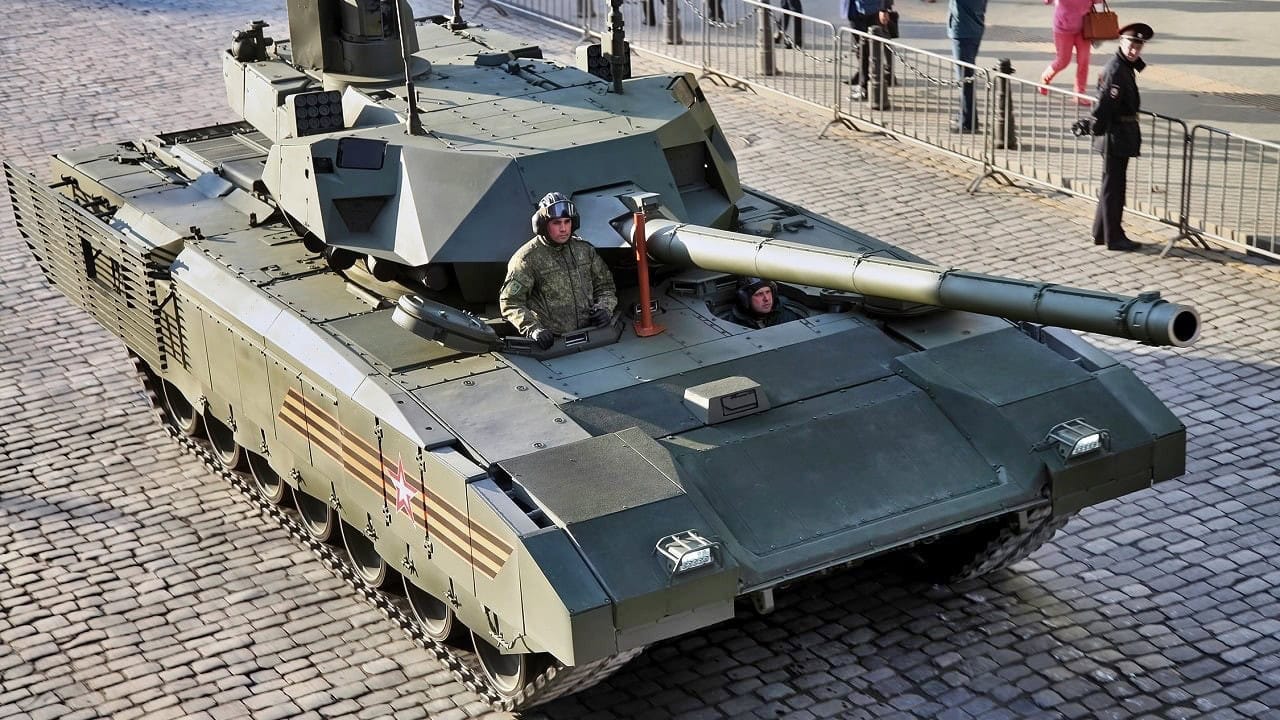
T-14 Armata Tank.
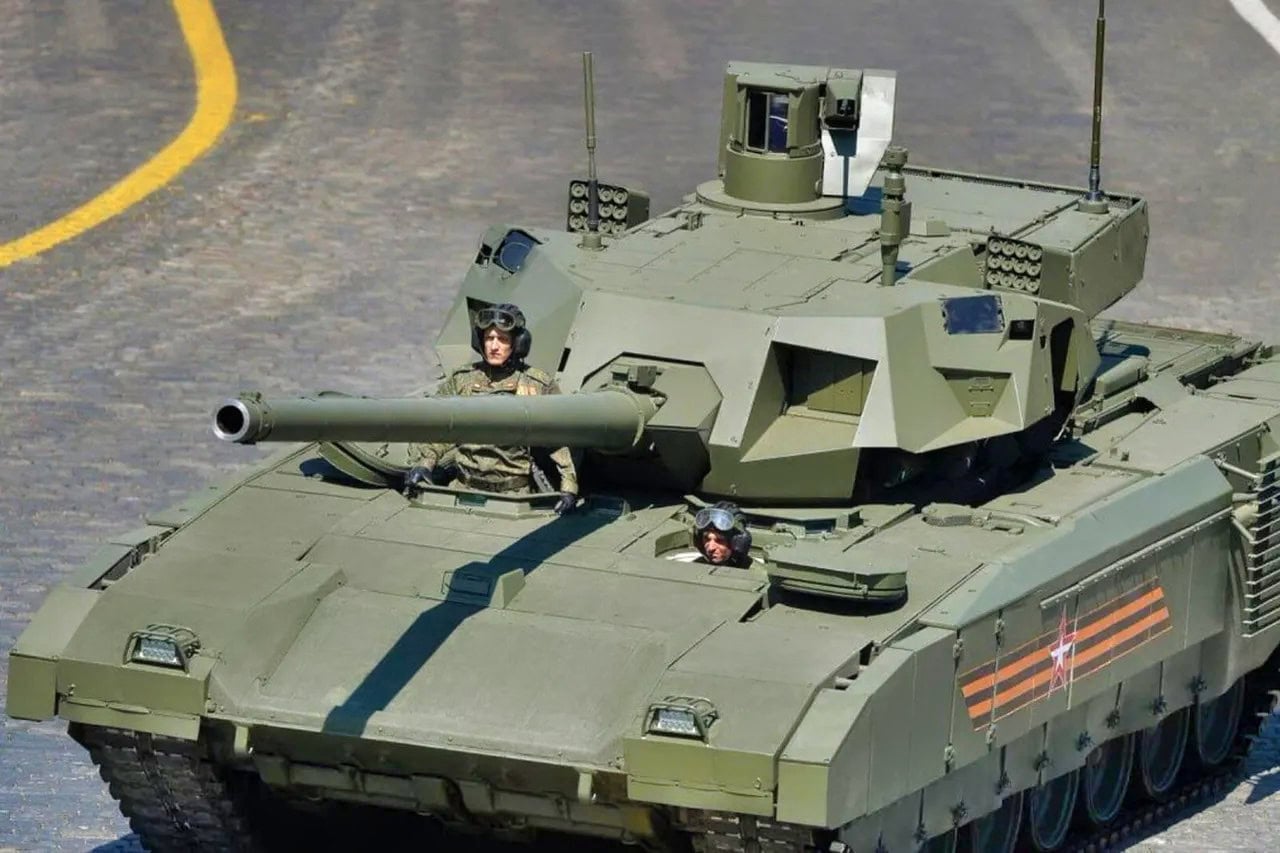
Russian T-14 Armata Tank. Image Credit: Social Media Screenshot.
Trump may believe a devil’s bargain can win him the Nobel Prize, but the person who will bring peace to the region will be the one who recognizes reality: Permanent peace requires Russia’s dissolution.
The Fall of Empires Enables Long-Term Stability
There is precedent. Europe is far better without the Austro-Hungarian Empire than it was with it. True, an irredentist, insatiable Germany sparked World War II in part to feed on its remnants, but that was less the result of decolonization than of Germany’s desire to recolonize Europe. Except for China, none of Russia’s neighbors is interested in expanding their own empires upon the bones of Russia.
The subsequent collapse of Yugoslavia into more homogenous units unleashed an era of opportunity if not affluence, once they defeated the rapid nationalism and irredentism of Serbian President Slobodan Milošević. In 1990, Yugoslavia’s per capita income (in current dollars) was approximately $3,700; today, Serbia’s average per capita income is four times that; it is even higher in Slovenia and Croatia. While American officials may see in Yugoslavia’s downfall a cautionary tale about the fracturing of states, the real lesson is opposite: The key to peace is the defeat of irredentism. War was not inevitable when Yugoslavia collapsed; Milošević precipitated it. Putin today is analogous to Milošević.
The Ottoman Empire’s collapse also furthered liberty across the Eastern Mediterranean and the Middle East. Greeks, Bulgarians, Egyptians, Arabs, Jews, and many others won their freedom when the Sick Man collapsed. Turkish President Recep Tayyip Erdoğan’s pretensions aside, there is no going back for any of the Ottoman Empire’s former subjects; if anything, Erdoğan’s evisceration of Turkey’s economy and the systems his predecessors built make further collapse and territorial concessions likely upon the vacuum left by Erdoğan’s death.
While historians and diplomats can point to the wars that accompanied the fall of the Austro-Hungarian and Ottoman empires, as well as Yugoslavia, as reasons to avoid Russia’s collapse, the fact is that war already surrounds Russia and that in each case, a short-term burst of violence enabled a far more stable future. Even localized wars in the Middle East pale in comparison to those in which the Ottoman Porte engaged.
Envisioning Russia’s Collapse
Putin’s death, too, will leave a vacuum.
Just as after the Soviet Union’s collapse, regional powerbrokers will rise, some innocuous and others, like the late Vladimir Zhirinovsky, built on nationalist and conspiratorial excess. Just as Milošević’s willingness to change borders backfired and enabled Kosovo’s succession, and Erdoğan’s dismissal of the Lausanne Treaty sets a precedent to revise Turkey’s borders inward, so too does Putin’s dismissal of the 1991 Almaty Declaration, guaranteeing the post-Soviet borders, create a precedent for which a future Russia could pay the heaviest price. Indeed, Trump’s most significant contribution to peace could be making a precedent about territorial reparations that could as easily apply to Russia as to Ukraine.
Putin’s creation of pseudo-states carved out of neighbors—Transnistria, Abkhazia, South Ossetia, and, briefly, the Donetsk and Luhansk People’s Republics—provides a precedent for carving states out of Russia proper in the future. The United States and Europe should recognize Russia’s 22 constituent ethnic republics as independent, albeit occupied states, and allow them to open representation in the United States, much like the Baltic states had while under Soviet occupation. Some states, such as Chechnya, Dagestan, and Tuva, might more easily move toward independence, given their previous experience; Karelia’s European orientation would also prepare it well. Other republics, such as Sakha or Buryatia, might need more careful cultivation, but given Siberia’s resources, this could be a valuable investment for the West or China.
Indeed, the logic of Komi or Bashkortostan statehood is no more far-fetched than Tajikistan’s or Kyrgyzstan’s independence once was.
Managing Population Transfer and Loose Nukes
Managing the collapse of Russia would not be easy. Decades, if not centuries of colonial rule, have saddled many of these republics with sizeable Russian populations.
Here, too, there is precedent. Russians had long settled in northern Kazakhstan. Subsequent migration reduced Kazakhstan’s Russian minority from 40 percent of the population upon that country’s 1991 independence to around 15 percent today. A Russian evacuation of Vladivostok would be little different than the Ottoman evacuation of Salonika.
In some cases, it might be necessary to facilitate population transfer, but here to there is precedent, be it with the 1947 partition of India, the basis for eventual Israel-Palestinian peace, in which Jewish settlers would abandon settlements deemed outside the State of Israel, while some Israeli Arabs may find themselves incorporated into a Palestinian state as the result of land swaps. Frankly, in Russia’s case, such forcible transfers would likely not be necessary as most Russians would return to Moscow and its environs simply for the sake of having jobs.
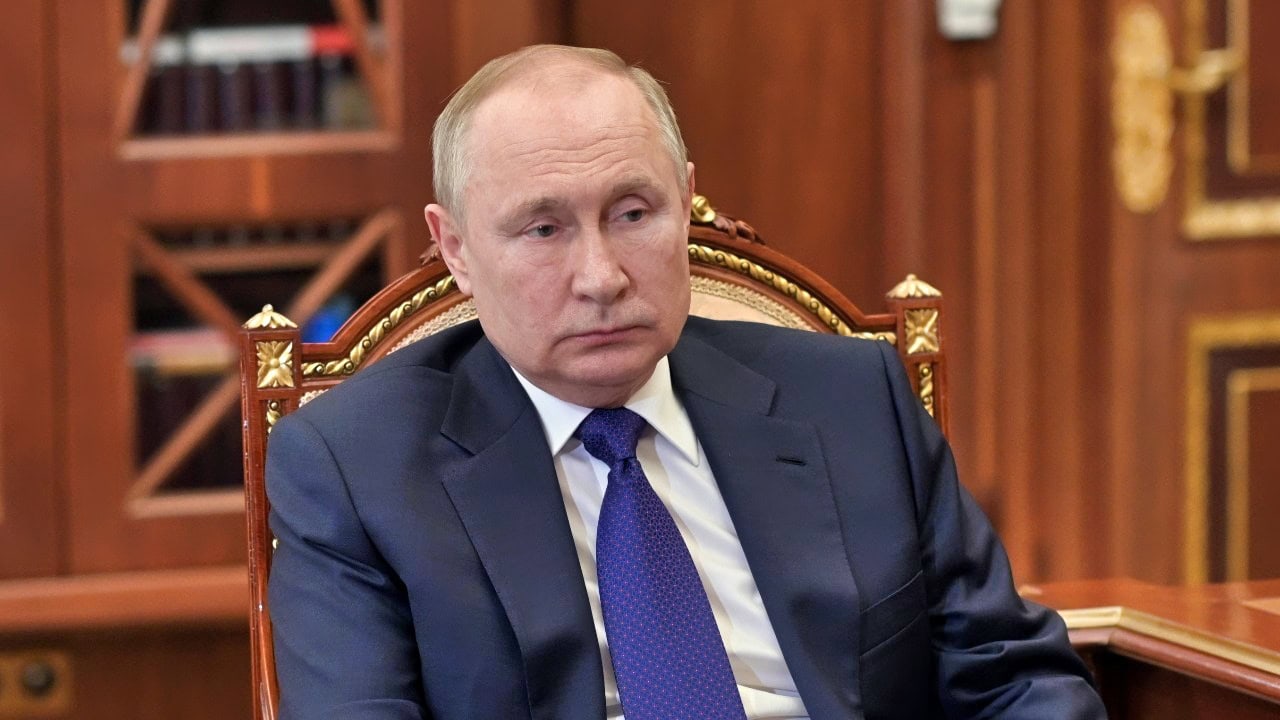
Russia’s President Putin. Image Credit: Russian Government.
Perhaps the most significant threat accompanying Russia’s collapse will be its nuclear weapons. It is impossible to minimize this danger, but again, there is precedent. Pakistan’s nuclear weapons pose as great a danger as that country perpetually teeters on the brink of collapse.
After the Soviet Union collapsed, the West worked to ensure the security of its legacy nuclear weapons. Just as Ukraine and Kazakhstan inherited many of these, so too would much Russian weaponry shift to the successor states in which it was located. In the case of nuclear arms, this could further disarmament as physically possessing a nuclear missile is far different than the ability to fire it.
Either way, the retraction of the Russian state to its historical core around Moscow would be a net gain, not only to the victims of Russian imperialism, but also for Russia’s neighbors who have suffered too long under the Russian shadow. Sometimes, a country just needs to be neutered for the safety of everyone around it. Putin’s demise might provide a historic opportunity.
About the Author: Dr. Michael Rubin
Michael Rubin is a senior fellow at the American Enterprise Institute and director of policy analysis at the Middle East Forum. The opinions and views expressed are his own. A former Pentagon official, Dr. Rubin has lived in post-revolution Iran, Yemen, and both pre- and postwar Iraq. He also spent time with the Taliban before 9/11. For more than a decade, he taught classes at sea on the Horn of Africa and the Middle East, covering conflicts, culture, and terrorism to deployed US Navy and Marine units. The views expressed are the author’s own.