
Published on
December 21, 2025

Greece is on track to achieve a historic milestone in tourism, with impressive growth in both the number of visitors and the revenue generated from travel. Official reports highlight that Greece is firmly on the map as a top-tier global destination, attracting millions of international visitors and securing a strong position in the international travel sector. This remarkable growth, led by a substantial rise in travel receipts and overall visitor numbers, underscores Greece’s increasing appeal as a year-round destination.
From January to September 2025, Greece saw a significant boost in tourism receipts, surpassing €20 billion. This impressive increase reflects a remarkable growth rate of around 9% compared to the same period in 2024. As a result, Greece is not only seeing higher spending per visitor but also benefiting from the diverse and ever-expanding global interest in its attractions, ranging from iconic historic landmarks to breathtaking island getaways. The data reflects the country’s strong performance, reinforcing its position as a leader in European tourism.
The surge in visitor numbers is equally striking. By the end of the summer season, Greece welcomed approximately 31.6 million international tourists, marking a rise of 4% over the same period in 2024. Key markets like the United Kingdom, Germany, and the United States contributed to this increase. Furthermore, long-haul markets have been instrumental in boosting the overall growth, with the U.S. alone seeing a rise of 5.6% in arrivals. These figures are not only a testament to Greece’s global appeal but also reflect the country’s proactive approach to attracting visitors from diverse international regions.
One of the most significant trends of 2025 is the rise in visitors from non-EU countries. The number of tourists from the United States saw an uptick of 12% in travel receipts, further cementing the U.S. as a major source market for Greek tourism. Additionally, the influx of visitors from Asia, especially from Japan and South Korea, as well as increased interest from the Middle East, contributed to this upward trajectory. The robust growth from these regions has highlighted the effectiveness of Greece’s targeted marketing efforts and improved international connectivity, such as direct flights from major U.S. cities.
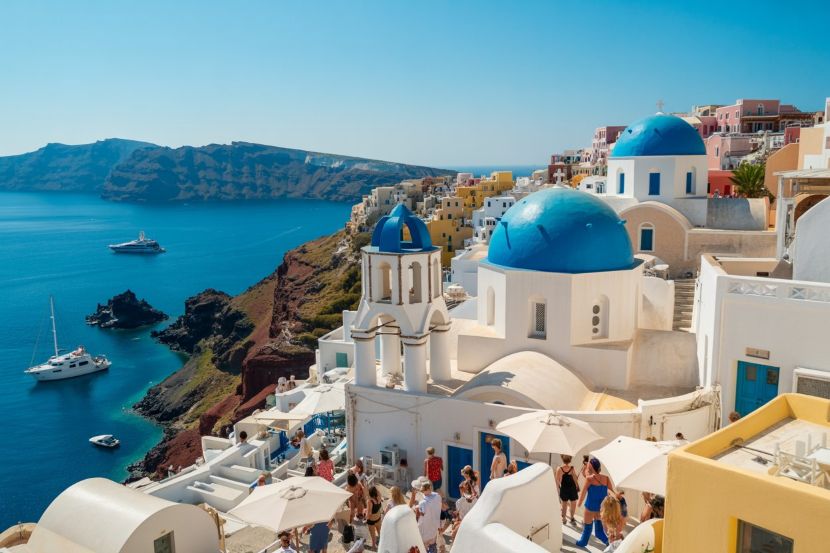
One of the driving factors behind this success has been the expansion of air travel connectivity. New long-haul flights from Dallas, New Delhi, and several other major cities have opened up direct routes to Greece, making it easier for international tourists to travel. Additionally, the summer months saw a strong performance in Greece’s iconic island destinations, such as Santorini, Crete, and Mykonos, which remain as popular as ever with tourists seeking a mix of scenic beauty, cultural heritage, and luxury experiences.
Despite being known for its peak-season tourism, Greece is gradually shifting its focus towards becoming a year-round destination. The government has placed a strong emphasis on promoting Greece during the off-season, encouraging visitors to explore the country’s winter tourism options. This includes promoting urban tourism in cities like Athens and Thessaloniki, as well as offering winter escapes to the mountains. By diversifying its offerings, Greece hopes to smooth out the seasonal fluctuations and spread the benefits of tourism more evenly throughout the year.
While Athens and the islands remain the central hubs for international tourism, Greece’s efforts to spread tourism benefits to its regional destinations are paying off. With the rise in overall visitor numbers, local communities in less-visited regions are also reaping the rewards of tourism. Areas such as Peloponnese, Macedonia, and Epirus are witnessing an increase in visitors, leading to new opportunities for small businesses, cultural attractions, and local entrepreneurs to thrive.
The economic impact of tourism extends beyond the immediate travel receipts. Greece’s tourism sector provides jobs in various industries, including hospitality, transportation, retail, and entertainment. According to official sources, tourism has generated over €6 billion in surpluses this year, positively affecting Greece’s balance of payments and bolstering the country’s financial health. With tourism being such a key contributor to Greece’s economy, this boom provides a solid foundation for the nation’s long-term economic growth.
Looking ahead, the outlook for 2026 is equally promising, with early indicators showing continued strong demand. Government efforts to enhance marketing campaigns, improve infrastructure, and increase sustainability measures are set to maintain Greece’s competitiveness in the global tourism market. As the country strengthens its position as one of Europe’s leading destinations, the benefits of this tourism boom will be felt not only in Athens and the islands but across the entire nation.
For Greece, the success of 2025 is more than just a series of strong numbers; it marks a strategic turning point where tourism is evolving to support sustainable growth. By balancing high demand with responsible travel practices and ensuring the well-being of its local communities, Greece is creating a tourism ecosystem that can thrive well into the future. As international travellers return year after year, Greece’s timeless allure continues to captivate the world, making it a place where memories are made, and dreams are fulfilled.
