
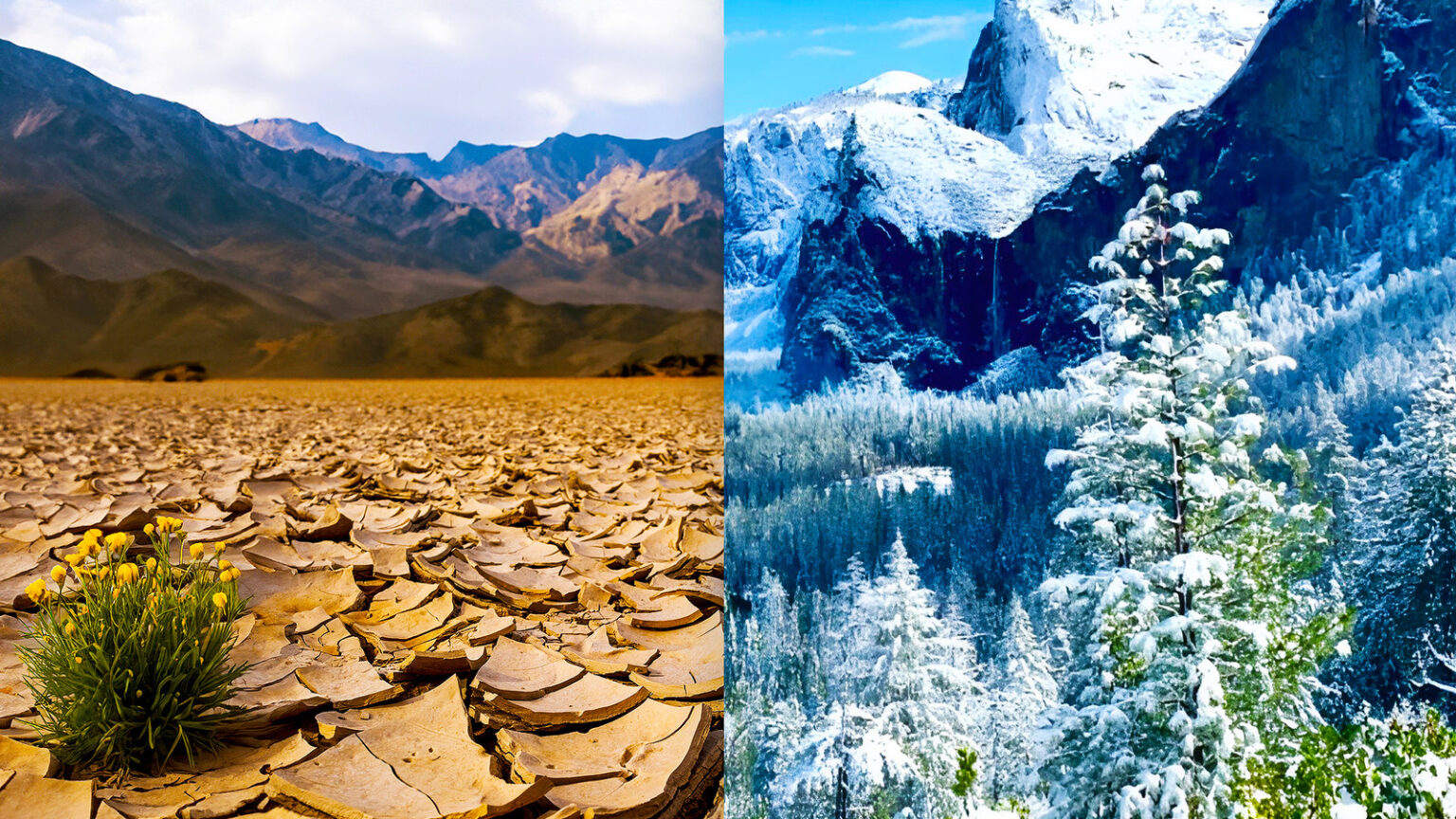
The ongoing issue of climate change has significant potential to affect our lives in multiple ways in the coming years. Still, the most obvious effects of climate change can be seen in Earth’s natural landscapes. With weather patterns changing as the climate changes, the complex ecosystems and biospheres that rely on consistent weather patterns are changing with them. This, unfortunately, means that many of the planet’s most iconic natural wonders may soon be changing — perhaps permanently.
Changes in the Earth’s landscape very much apply to the acclaimed national parks of the United States. The effects on America’s national parks go beyond mere alterations in the scenery. Since its inception, the National Park Service (NPS) has maintained the narrow balance between protecting the nation’s most spectacular and ecologically important landscapes and providing a meaningful and user-friendly experience for visitors. Even though certain guests are flagging national park climate change signs as “inappropriate,” the fact remains that climate change may soon have significant impacts on your national park bucket list.
Alongside the more obvious potential destruction of iconic landmarks and natural wonders, climate change in national parks can also make the basic visitor experience much less predictable. Extreme weather events can create sudden safety issues that throw a wrench into a well-planned national park trip. Climate change can also damage roads, trails, and other crucial pieces of park infrastructure. Here are some of the major ways in which climate change is making national park visits less predictable.
Unpredictable Weather and Seasonal Shifts
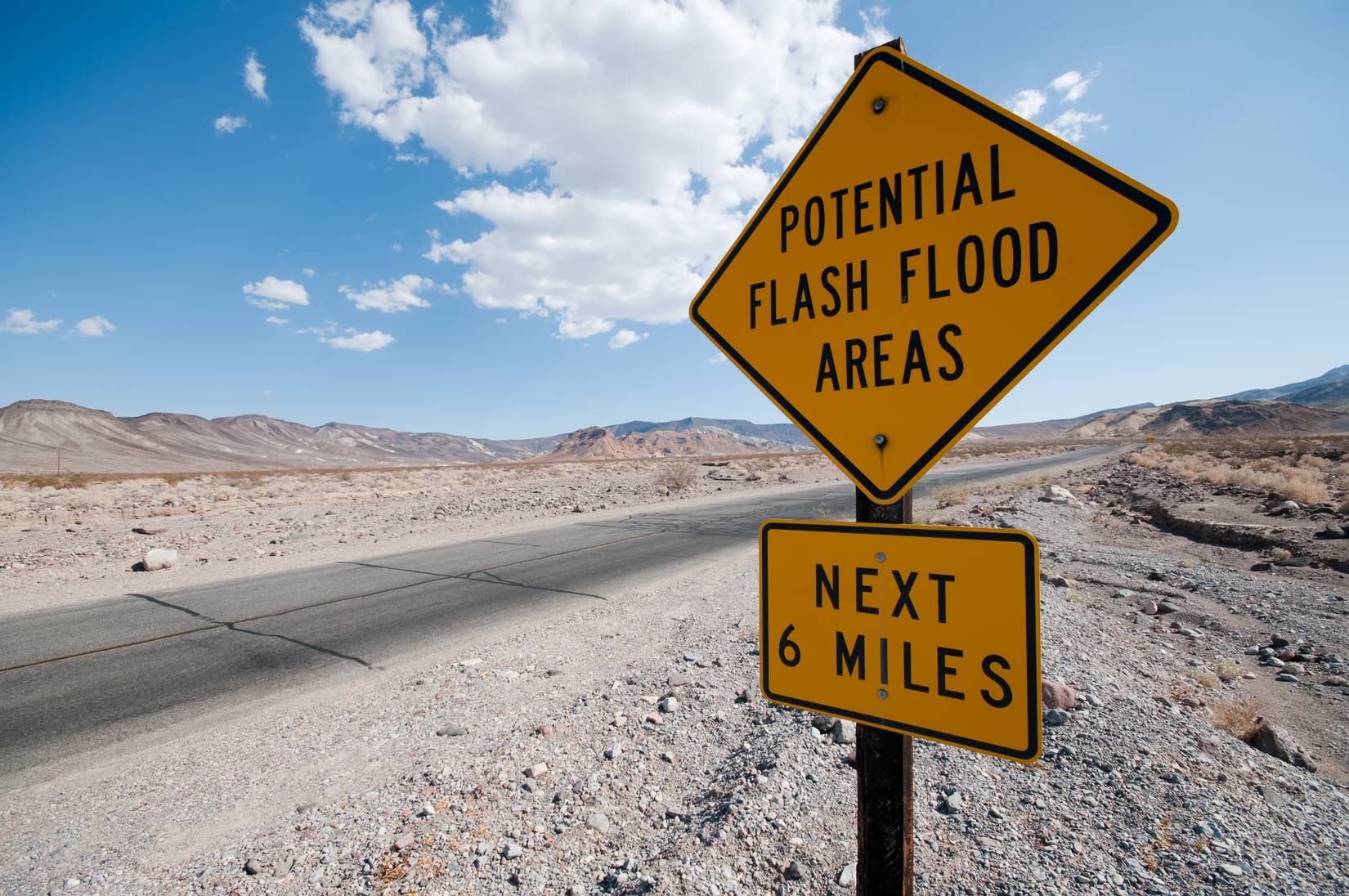
Flash flood warning sign in Death Valley National Park, CaliforniaCredit: Shutterstock
Weather is one of the major factors that affects the planning of any vacation, whether to national parks or otherwise. While the weather has always been somewhat fickle and subject to change, travelers in general prefer to rely on reliable forecasts and seasonal conditions when planning their trips. Unfortunately, as the Earth’s climate changes, so too does the variability of weather conditions in national parks.
According to NPS data, about 95% of national park site visits correspond to a park’s air temperature on a given day. Around 69% of the variation in those visits likewise corresponds to changes in air temperature. In short, travelers tend to prefer visiting national parks on days when the air temperature is likely to fall within an ideal range. Such a range, however, is increasingly falling out of whack as the climate in national parks changes, as is the predictability of weather conditions and air temperature.
One of the most high-profile effects of climate change is an overall increase in the Earth’s temperature, corresponding to far more hot days than in the past. In the coming years, climate change could make numerous U.S. cities hotter than they’ve ever been, a tragic trend that also applies to national parks. NPS weather data reveals that an “overwhelming majority of parks” have experienced high temperatures at the “extreme end” of their historical records in recent years.
Based on these numbers, the NPS projects that at least 25 of America’s national parks could face “five times more extremely hot days per year by 2050” compared to the period between 1979 and 2012. This means that national parks known for pleasant temperatures during the peak summer season could see more and more heat waves, while parks already known for extreme heat (like California’s infamous Death Valley National Park) may become too dangerous to visit entirely during the summer.
Alongside extreme heat, rising sea levels threaten many popular coastal NPS sites, like Assateague Island National Seashore and Colonial National Historical Park. Likewise, climate change may result in more devastating wildfires in national parks, which could impede individual visits in the short term and damage or destroy park infrastructure in the long term. In areas at risk for increased precipitation due to climate change, flooding may become a major hazard in national parks.
In December of 2025 alone, historic flooding in the Pacific Northwest has already cut off access to national parks like Mount Rainier and the North Cascades. While parks like the Pacific Northwest and the Mid-Atlantic are at risk of flooding, other parks in places like California (including the beloved Yosemite and Joshua Tree) may see reduced visitation due to severe droughts.
Taken together, all of these factors mean that a park’s “peak visitation” season will become much harder to predict. Extreme conditions like heat waves, floods, or wildfires will have a much greater risk of suddenly affecting a national park trip planned well in advance. At the same time, prospective national park visitors will have to contend with the possibility that critical park infrastructure will be damaged by storms, floods, or fires when they plan on visiting.
Wildlife and Ecosystem Changes
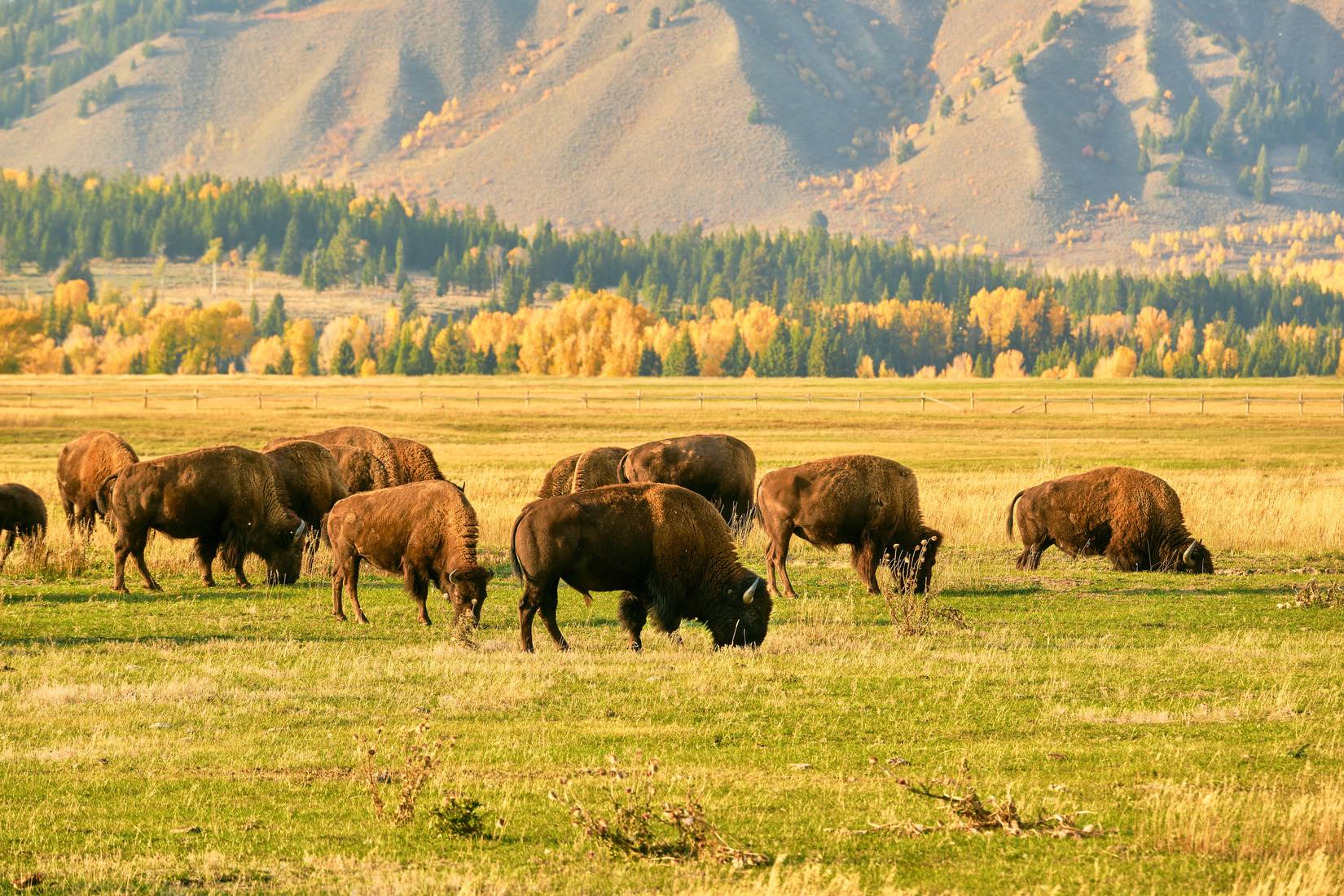
American bison in Yellowstone National ParkCredit: Shutterstock
While national parks protect remarkable topographical features, they are also home to many of North America’s most impressive animal species. For many guests, seeing one of these majestic creatures in person is a primary reason to visit. Climate change poses potentially devastating effects on the countless animals that make their homes in national parks, and though it’s not the main concern here, such effects could easily impact wildlife viewing in these parks.
Birds are particularly vulnerable to climate change in national parks. Some species may alter their migration patterns in response to changes in the climate, which may push them out of the boundaries of national parks each year.
Changing climate conditions in prominent parks like Yellowstone could negatively affect natural food sources for animals like grizzly bears, which could result in reduced populations or their outright disappearance from the park.
Marine animals who reside in coastal national parks are not immune to the effects of climate change either. In recent years, several “cold-stunning” events linked to climate change have threatened endangered sea turtles in Florida’s Biscayne National Park and Texas’ Padre Island National Seashore.
Plants, too, are at risk from climate change. For example, Mount Rainier National Park is famous for its wildflowers that bloom in the meadows below its towering mountain each summer. Wildflowers, however, are highly sensitive to climate conditions, and alterations in the park’s climate can alter their peak bloom period. Researchers believe that projected rates of climate change could push Mount Rainier’s wildflower bloom earlier and earlier each year, creating a “mismatch” between the wildflower bloom and peak visitation seasons.
Other famous plants are at risk of disappearing entirely. The most dire example may be the Joshua tree of Joshua Tree National Park. These acclaimed desert trees are also at extreme risk due to climate change, with trees at lower elevations at risk from severe droughts, and trees at higher elevations at risk from wildfires and invasive species.
Trail, Road, and Facility Closures Due
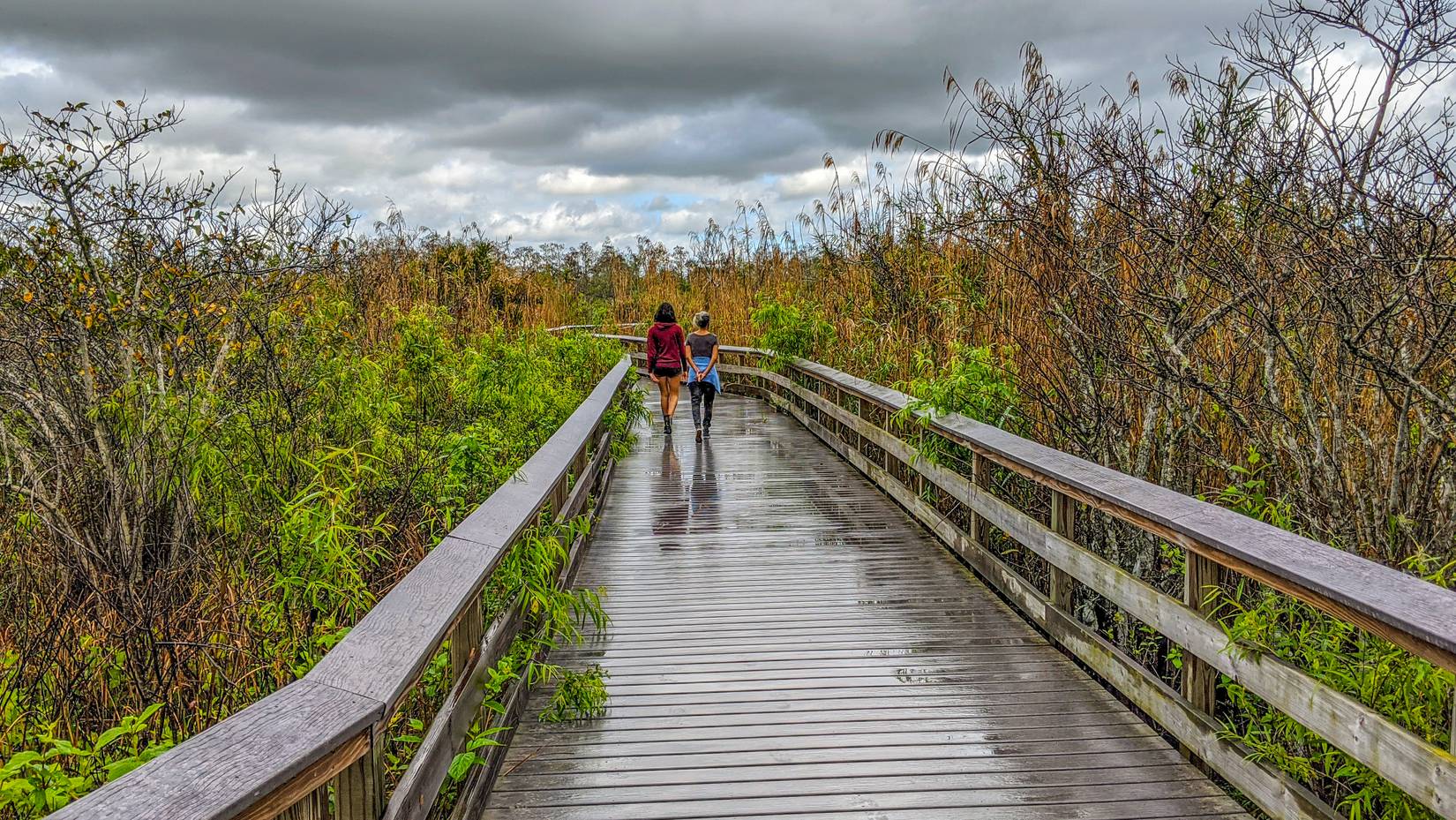
On the Anhinga Trail, Everglades National Park, FloridaCredit: Eden, Janine and Jim from New York City, CC BY 2.0, via Wikimedia Commons
American national parks often protect incredible natural wonders, but they also typically feature essential infrastructure that the average visitor relies on to experience these natural wonders firsthand. Roads, trails, observation areas, and lodging are all at risk from climate change-related events.
In 2024, the nation saw the devastating effects of Hurricane Helene on many beloved national park sites, including the extremely popular Blue Ridge Parkway and Great Smoky Mountains National Park. As of December 2025, some repairs and rehabilitation of hurricane-damaged park infrastructure are still ongoing.
Simultaneously, rising sea levels can significantly impact the infrastructure of coastal national parks. Sites like Acadia National Park in Maine and the Everglades National Park in Florida are at particular risk from infrastructure damage due to flooding.
Climate-related flooding can impact unexpected national parks as well. In November 2025, Death Valley National Park, supposedly one of the “driest places on Earth,” experienced record flooding due to unprecedented rainstorms, which forced road closures and damaged park infrastructure.
How Visitors Can Adapt
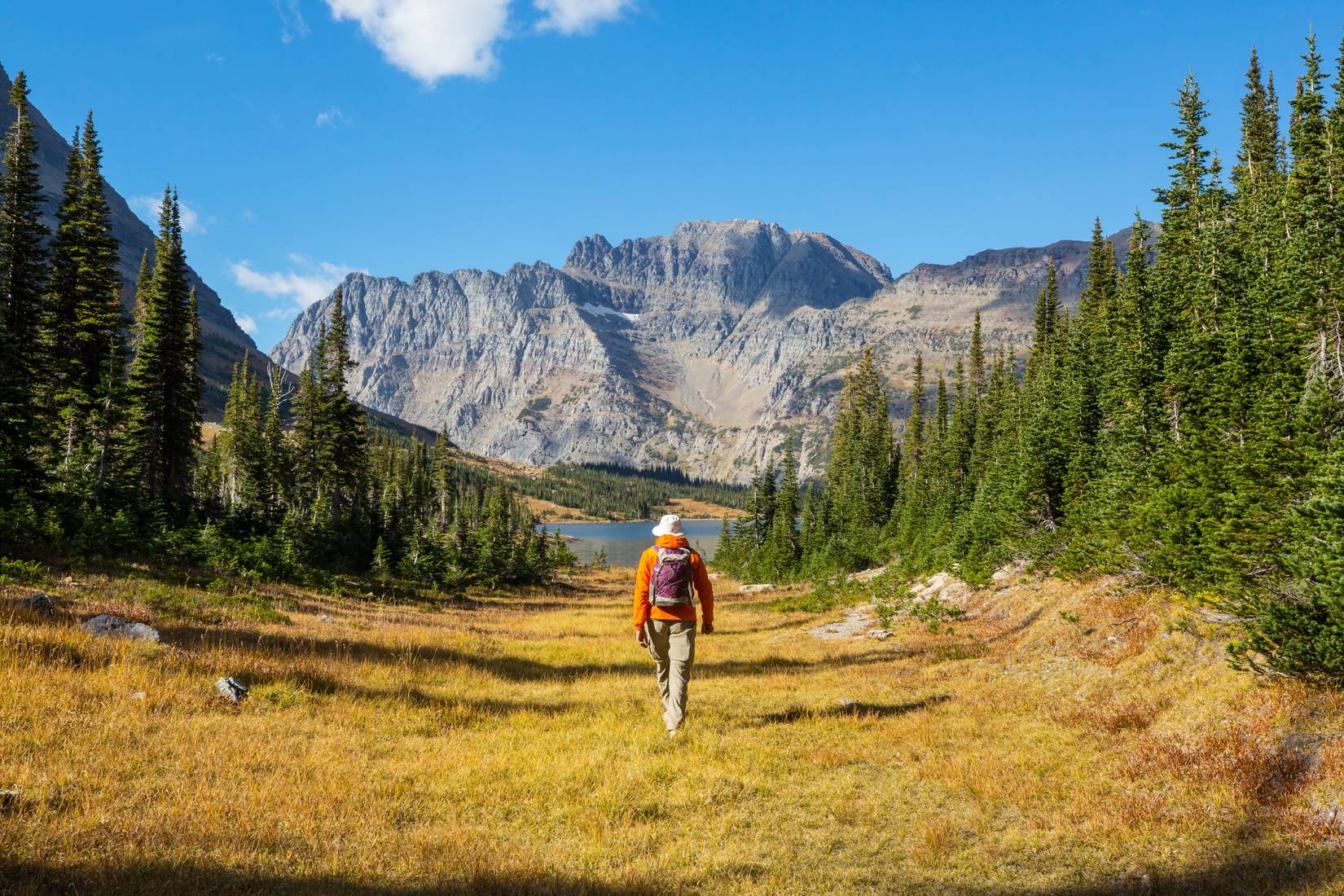
A hiker in Glacier National Park, consistently named one of the most beautiful places in the U.S.Credit: Galyna Andrushko/Shutterstock
Though national park visits may become less and less predictable as the climate changes, visitors can take a few steps to minimize disruptions to their upcoming national park vacation. Each national park and NPS-administered site has weather forecasts, conditions, and closures posted on its website.
While this information is extremely helpful in planning a national park trip, the fact remains that these conditions are constantly changing, and will likely change even more dramatically as the effects of climate change become more evident. It’s therefore also a good idea to plan a flexible itinerary before visiting a national park. If possible, consider seeking out alternative hiking trails or driving routes if a preferred route is closed on the day of your visit. You might also look into alternate activities that you can enjoy even if weather conditions sour during your trip.
Preparing for Unpredictable National Park Visits:
Notify friends/family of travel plans
Create a backup plan if roads or trails are inaccessible
Overpack food and water in case of unexpectedly extreme weather conditions
Bring a satellite messenger or personal beacon
Check with park rangers and the NPS website before heading out on any road or trail
If you are planning a national park trip in the coming year, know that human-made climate change is just one of many factors that are always prompting evolution in America’s national parks. Ultimately, a major part of enjoying America’s national parks has always been their wild character. With this wild character comes a degree of unpredictability, even without the effects of climate change.
As the world confronts, combats, and adapts to climate change, you can still improve your own experience by adapting to conditions beyond your control and making the most of these incredible destinations while preserving them for future generations.