
22
Dec 2025
Austria has extended border controls with neighboring European Union (EU) countries until June 2026 as part of its effort to curb irregular migration and cross-border crime.
The decision, announced by Interior Minister Gerhard Karner, applies to borders with Slovakia, the Czech Republic, Hungary, and Slovenia.
Checks stay longer
Austria’s government has confirmed that border controls with Slovakia, the Czech Republic, Hungary, and Slovenia will remain in place until June 2026.
The extension continues a system of temporary internal border checks that Austria has used intermittently since the 2015 migration crisis.
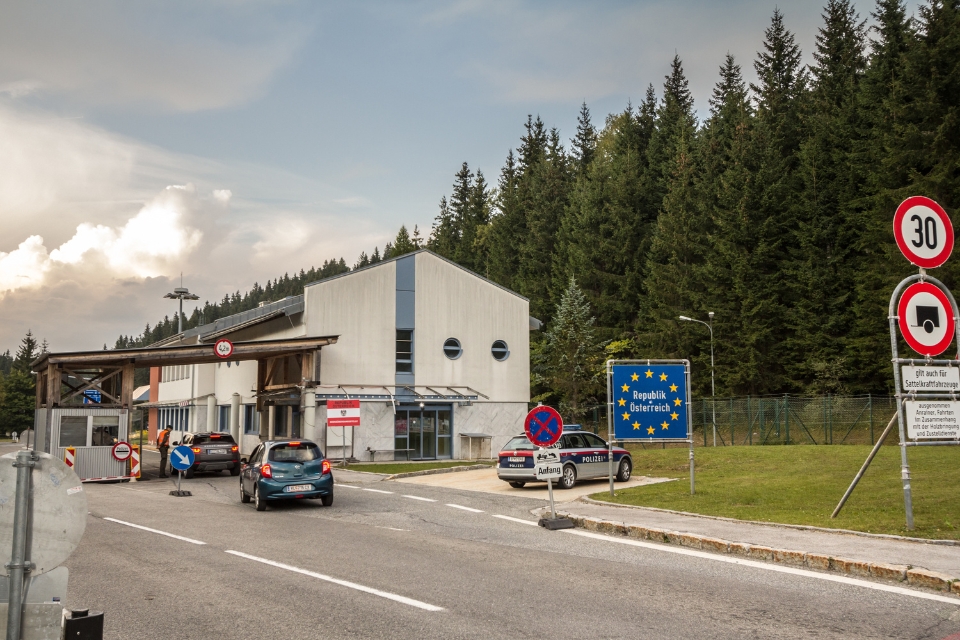
The Interior Ministry has said the controls are part of a broader security strategy aimed at limiting irregular migration and cross-border crime. The measures apply to major road crossings, rail connections, and selected transit routes close to the borders.
Under EU rules, Schengen countries may temporarily reintroduce internal border controls if they face serious security risks. Austria has renewed these measures several times, with each extension formally notified to the European Commission.
Why Vienna says yes
Authorities linked the decision to continued migration pressure along routes through Central and Southeast Europe. Austria lies on a key transit corridor for people traveling toward Germany and other northern EU states.
According to the Interior Ministry, tighter checks and closer cooperation with neighboring countries have contributed to a drop in detected irregular crossings in recent years. Officials said that the extension is intended to maintain this trend amid shifting migration routes.
The government has also emphasized the role of border controls in disrupting human smuggling networks. Law enforcement agencies have increased mobile patrols beyond fixed checkpoints, focusing on highways, rail lines, and known transit corridors.

(Image courtesy of boonsom via iStock)
From checkpoints to spot checks
While the controls remain in force, their enforcement has evolved. Austria has reduced reliance on permanent checkpoints and expanded the use of flexible, mobile inspections that can be deployed where authorities identify higher risks.
Police conduct spot checks on vehicles, buses, and trains based on operational assessments. Officials said that this approach aims to balance security needs with minimizing disruption to daily cross-border travel and freight movement.
The Austrian Armed Forces continue to provide support to police operations, though at lower levels than in previous years. Their role is focused on logistical and technical assistance rather than direct enforcement.
What travelers notice
For most travelers, cross-border movement remains possible, but delays can occur. Drivers and passengers may be required to show passports or national ID cards, particularly during busy travel periods.
The government has advised travelers to carry valid identification when crossing internal Schengen borders. Transport operators have also warned passengers to allow extra time on routes that cross Austria’s borders.
Tourism authorities have said that the controls have not led to widespread cancellations, though travel associations note that wait times may increase during peak seasons such as summer holidays.
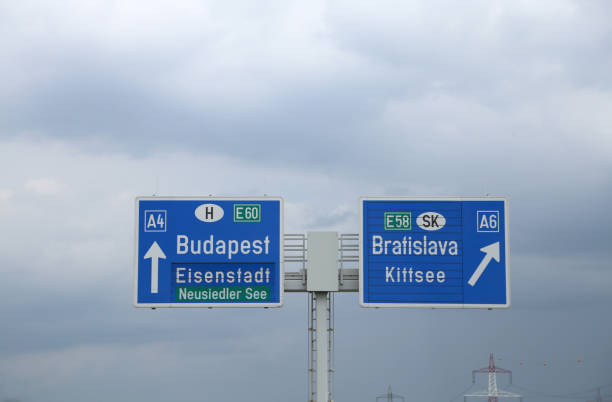
(Image courtesy of ChiccoDodiFC via iStock)
New rules, same trip
Short-term visitors to Austria and neighboring countries are unlikely to face new entry requirements, but they may encounter more frequent document checks. Travelers arriving by car, bus, or train should expect occasional inspections even within the Schengen area.
For non-EU nationals, Austria’s decision comes as the EU rolls out new border systems. The Entry-Exit System, known as EES, began operating in October 2025 and is due to be fully implemented by April 2026.
The system digitally records when non-EU travelers enter and leave the Schengen area, replacing passport stamps at external borders.
EES applies to short-stay visitors from both visa-required and visa-free countries and includes biometric data collection such as fingerprints and facial images. Austria’s internal border controls do not replace EES, but authorities treat them as part of the same border management framework.
Another change is still ahead. The European Travel Information and Authorization System, or ETIAS, is expected to launch in late 2026.
Visa-exempt travelers will need to apply online for travel authorization before entering most EU countries, with approval linked to their passport.
For migrants and asylum seekers, Austria’s continued checks suggest that internal border controls will remain part of daily movement within Europe. While asylum procedures are governed by EU law, stricter internal checks can affect routes and travel conditions.
Tighter borders stay in place
Austria will keep its border controls in place until at least 2026 as part of its response to irregular migration and security concerns across Central Europe.
The move reinforces the government’s stance on stricter checks within the Schengen zone and signals that tighter borders are likely to remain a feature of travel and migration policy in the near future.