
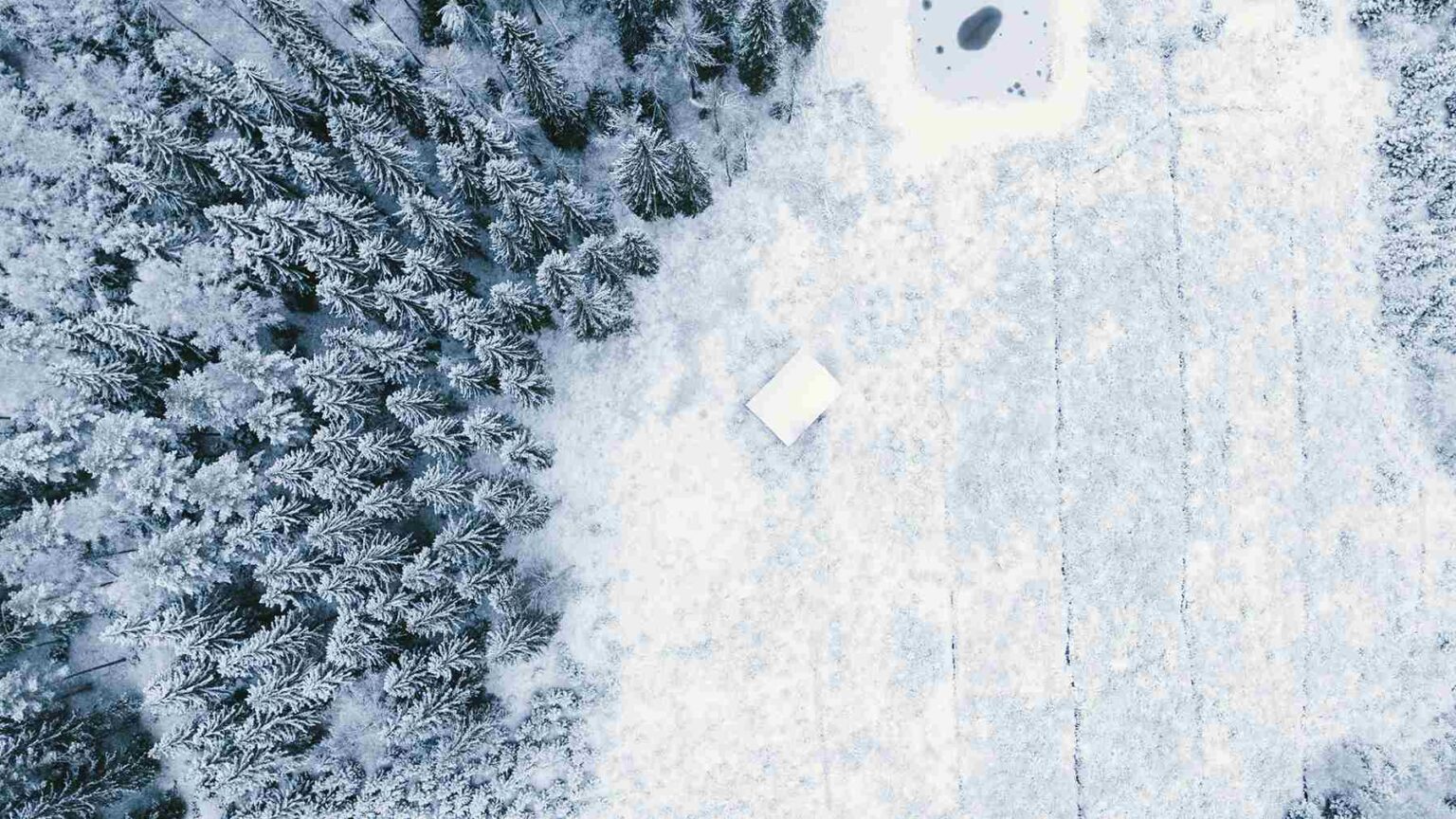
Alaska’s energy realm has been dominated by oil resources, but with the state awash in oil, Alaska is relying on another valuable resource. Buried beneath the layers of snow lies one of the most underestimated sources of clean power. Since Switzerland has set the tone of relying on solar power enhanced by snow itself, the country is offering some light on how snowy regions can depend on this valuable resource as well. With Alaska being filled with snow, the state could even become fossil fuel independent by relying on solar potential and its snow.
Swiss solar invention considering the strength of snow power
Switzerland has considered solar energy technology created for snow climates. Researchers as well as engineers have seen that solar panels in the Alps do benefit so much from the snow that their performance is improved. Shocking enough, solar panels perform well during the winter months when energy demand tends to be high.
The discovery of solar panels’ feat is because sunlight reflected off snow improves the radiation that reaches the panels. The best way this effect is reflected is through the AlpinSolar Project on the Muttsee Dam. The site can produce 3.3 GWh every year, which is rather similar to the energy generated by solar systems at low elevation levels. These alpine-based panels generate three times more electricity than installations in Switzerland’s lower regions, and this is mainly the case due to the snowy reflected layer.
It has been found that perhaps steep angles and panel spacing optimize sunlight absorption, as this placement enables snow to slide off panels easily whilst ensuring sunlight capture from reflective panels.
Alaska is looking at relying on the snow’s potential
According to research, the bifacial solar panels, which collect sunlight on both sides, can capture more reflected energy and show better solar output in comparison to traditional single-sided panels. This will be a great idea in Alaska, where snow cover exists for many months.
Tests conducted in Alaska were promising, and snow build-up on panels was effectively managed. Teams at the University of Alaska and Sandia National Laboratories created transparent ice- and snow-phobic coatings, where panels could shed snow and ice and improve solar energy production. In fact, energy production was improved by 85% during tests. While there is hope of solar success, the challenge seems far harder in Alaska in comparison to the Swiss Alps. With low sun angles being a reality in winter months, energy storage needs to be improved, should solar be a reliable clean energy source for Alaska.
Three lessons learnt from Switzerland that can be used in Alaska
Switzerland’s successes in alpine solar technology provide an incentive for Switzerland to tap into underrated clean energy sources, too. However, the lessons learnt in Switzerland can be used in Alaska as well:
- Installation design matters considerably: Steep panel angles and higher frames enable snow shedding while ensuring better reflection of surfaces.
- Adapted technologies, including bifacial panels and those with special coatings, optimize solar capture: In high latitude and snow conditions, such innovations tend to improve solar power capture.
- The solar system must be integrated with storage and grid systems: This ensures that solar becomes a strategic investment in places, like Alaska, where winter darkness seems to be apparent all year long.
If Alaska keeps these core solar lessons in mind, the state can tap into this form of renewable energy.
Alaska will be able to tap into its renewable energy potential
Alaska needs to consider the snow as an asset in its solar mission, as opposed to seeing snow as a foe to the renewable energy agenda. Alaska, like Switzerland, can move forward with this renewable energy resource. While Switzerland has been relying on this resource for a while with favorable results, Alaska, too, can embrace the snow. Soon, the Alps will be covered with solar panels with amazing results.