
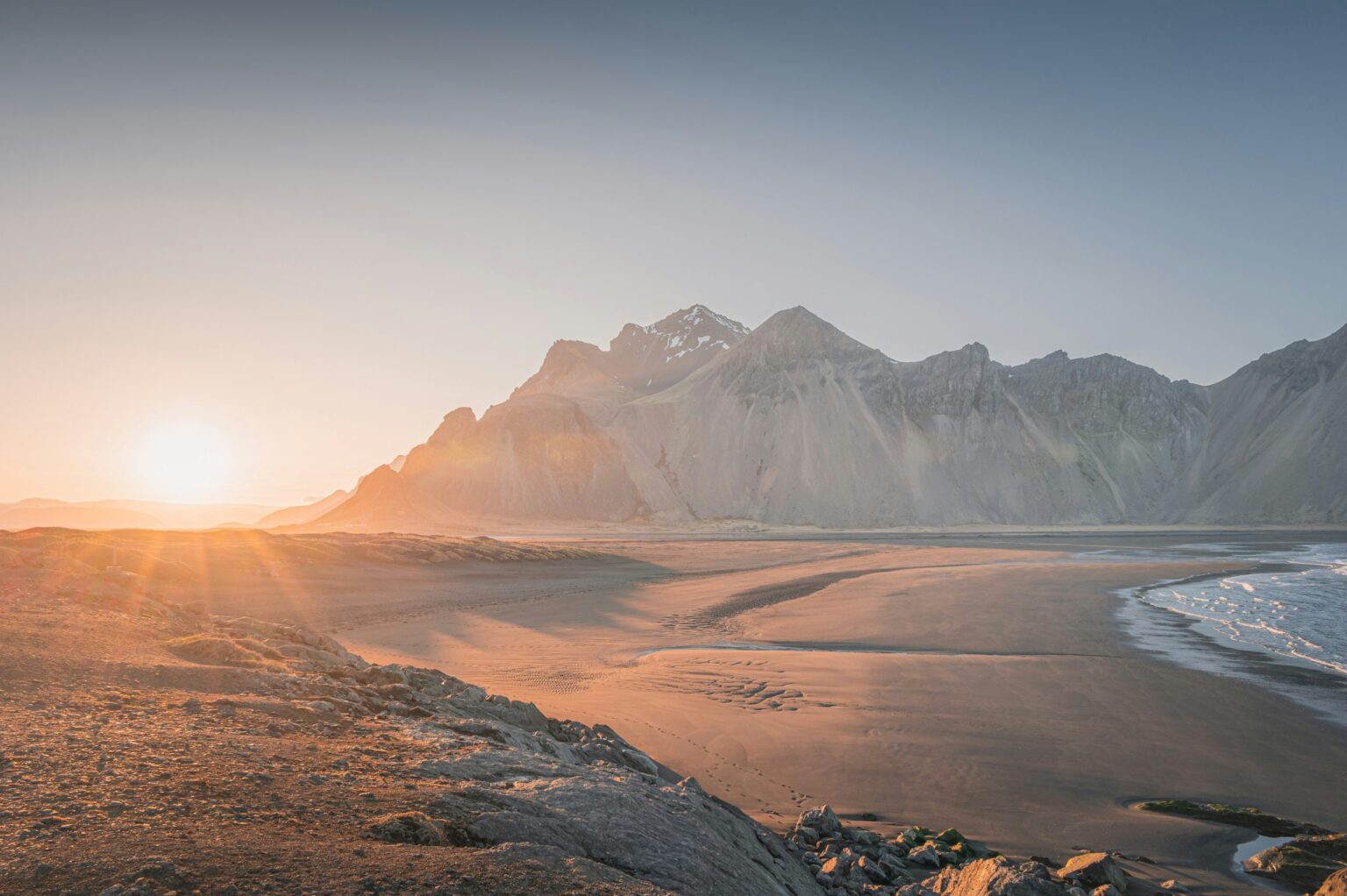
A turning point in the Nordic winter arrives this afternoon as Iceland marks the winter solstice (vetrasólstöður), the moment when daylight begins its gradual return. The event occurs at exactly 15:03:01 on Sunday 21 December and is often regarded as a symbolic milestone in the darkest season of the year.
For now, the country experiences very limited daylight. The sun remains above the horizon for less than four hours each day, particularly noticeable in the capital, Reykjavík.
Chicken Steps to Brighter Days  Photo: Wikimedia Commons.
Although brighter days are on the way, the initial change is almost imperceptible. The earliest gains in daylight come in what locals describe as hænsnaskref (“chicken steps” in Icelandic).
The increase is measured carefully over the days following the solstice. On the first day, Reykjavík gains just eight seconds of daylight. The second day brings a larger rise of 25 seconds, followed by a further 42 seconds on the third. Together, these small increments are known as the city’s “chicken steps”.
Astronomer Þorsteinn Sæmundsson explains in his calendar notes that solstices, also referred to as solar standstills, occur when the sun reaches its furthest point north or south of the celestial equator. From this moment, the sun slowly begins to climb higher in the sky, extending daylight as winter progresses.
While the changes are subtle at first, the solstice marks the start of a steady shift towards longer, brighter days across Iceland.