
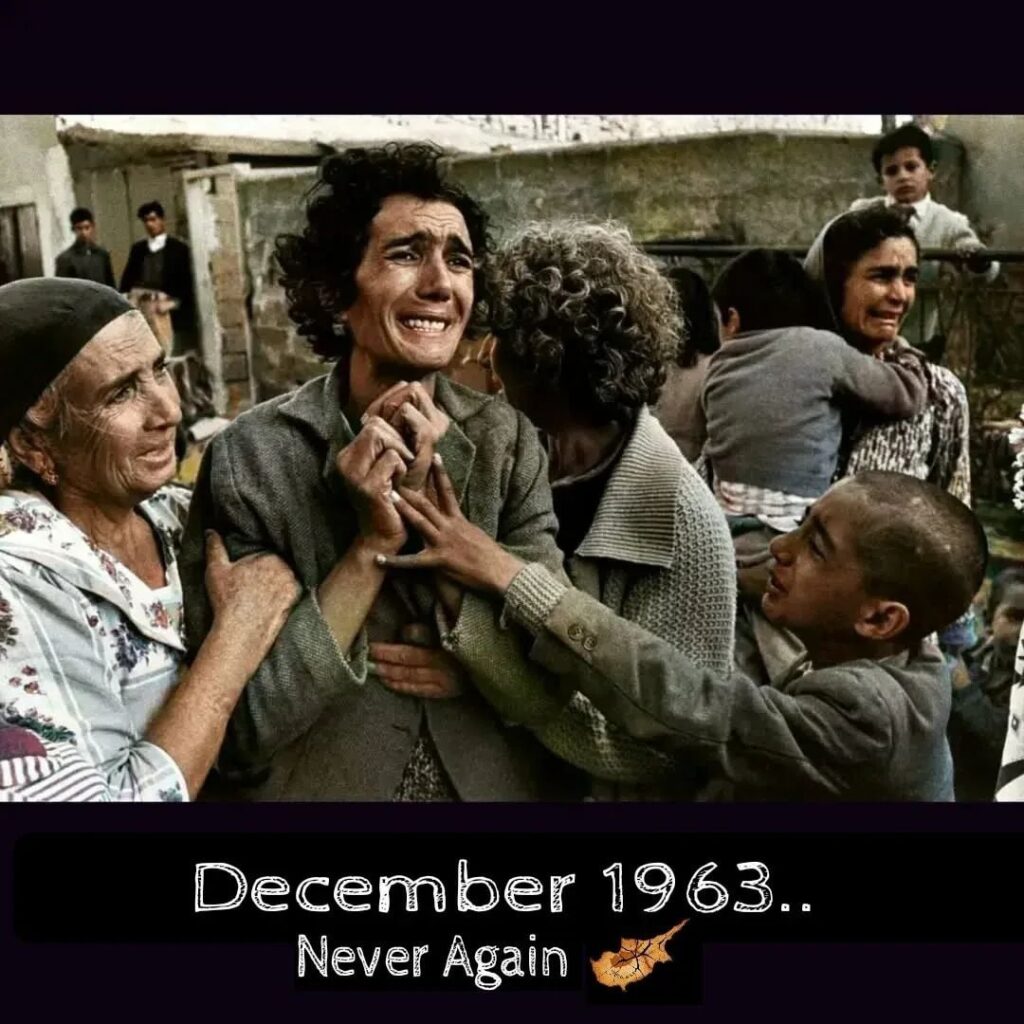
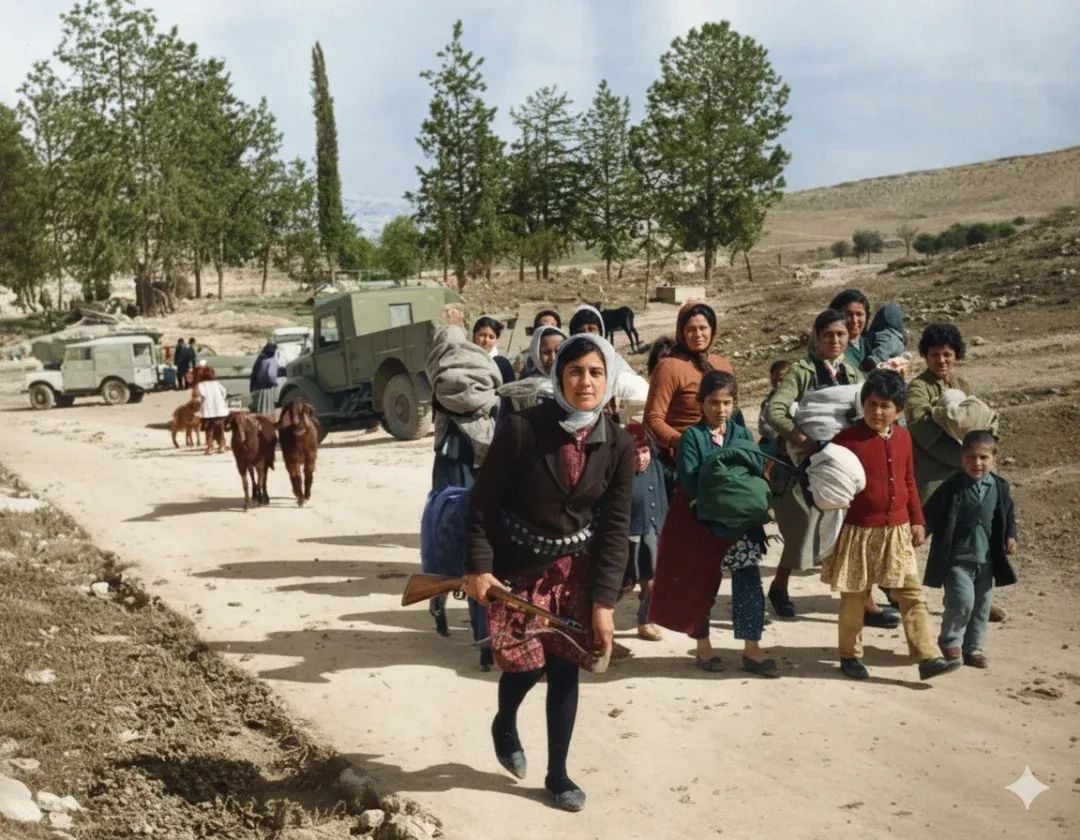
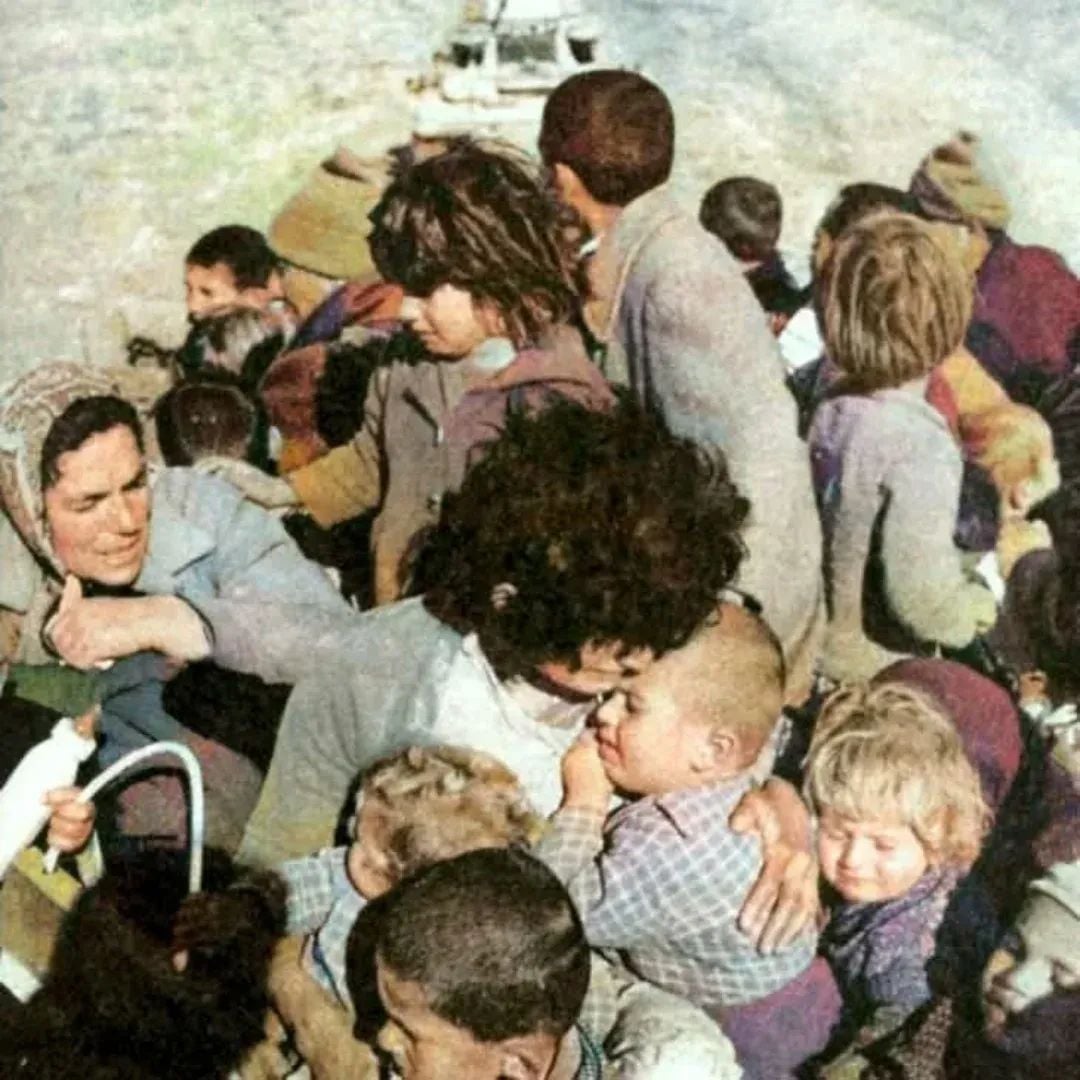
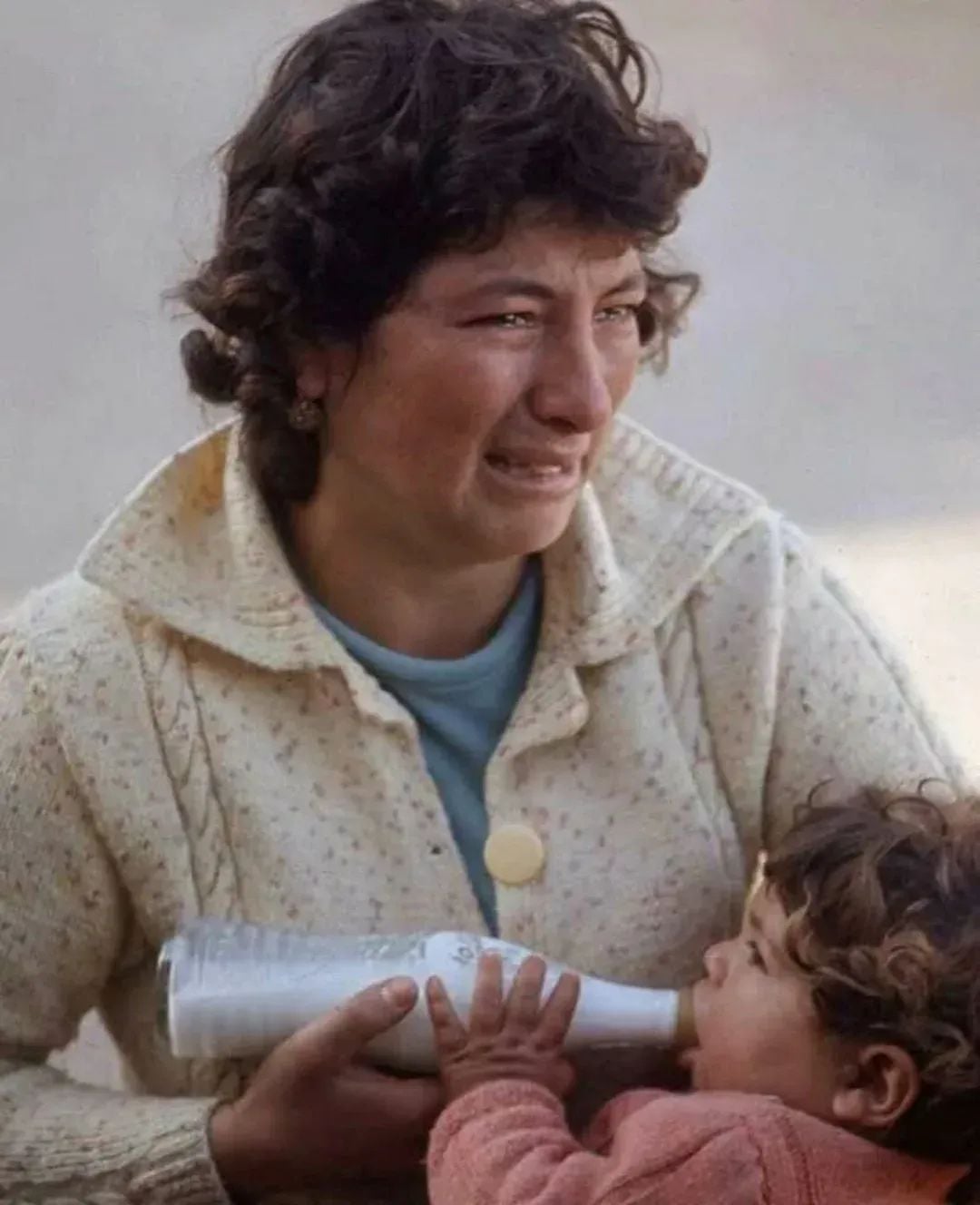
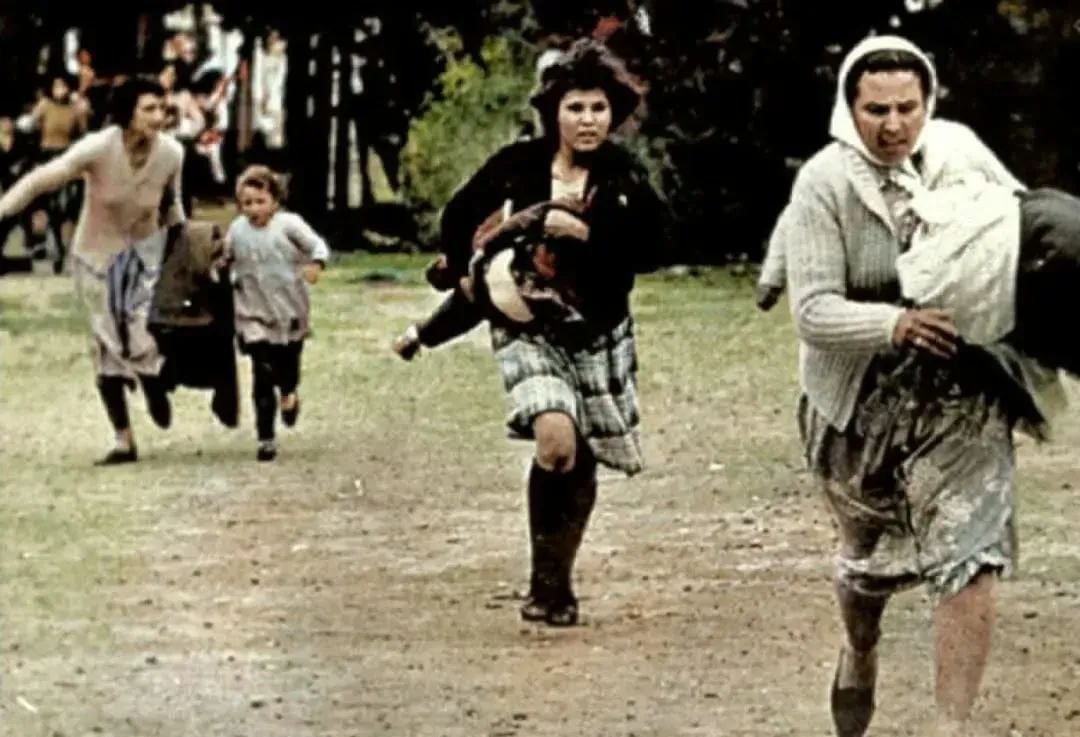
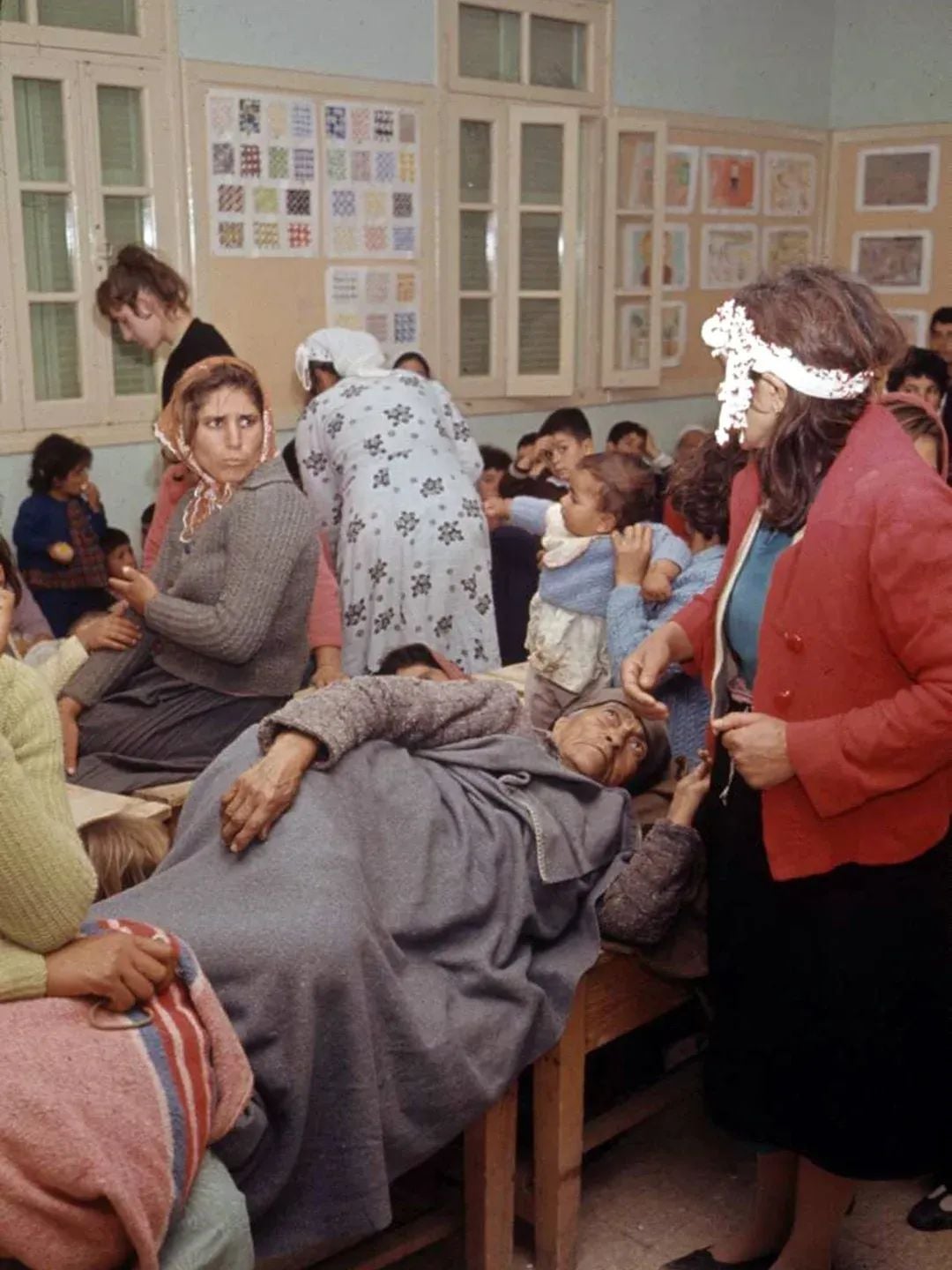
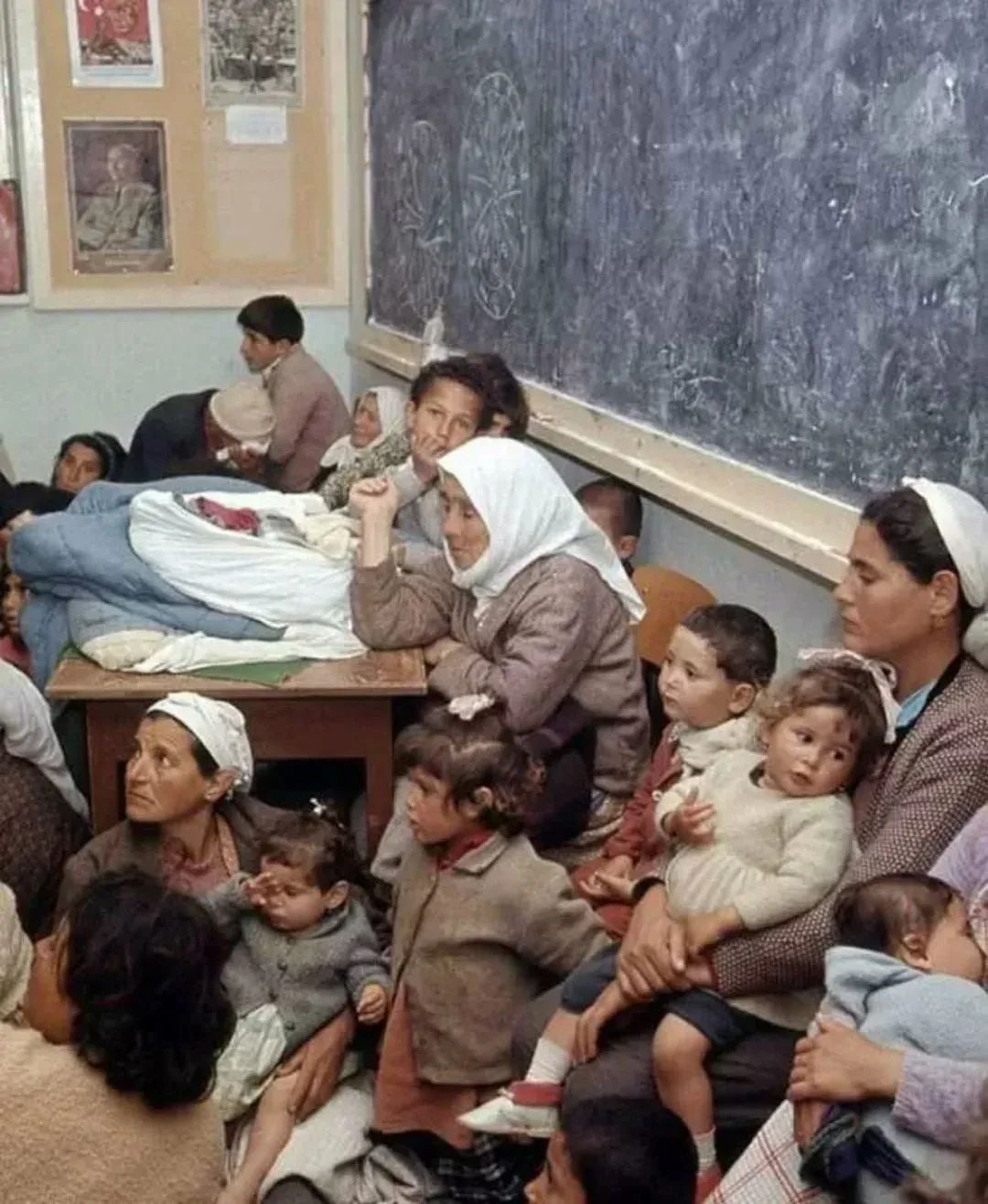
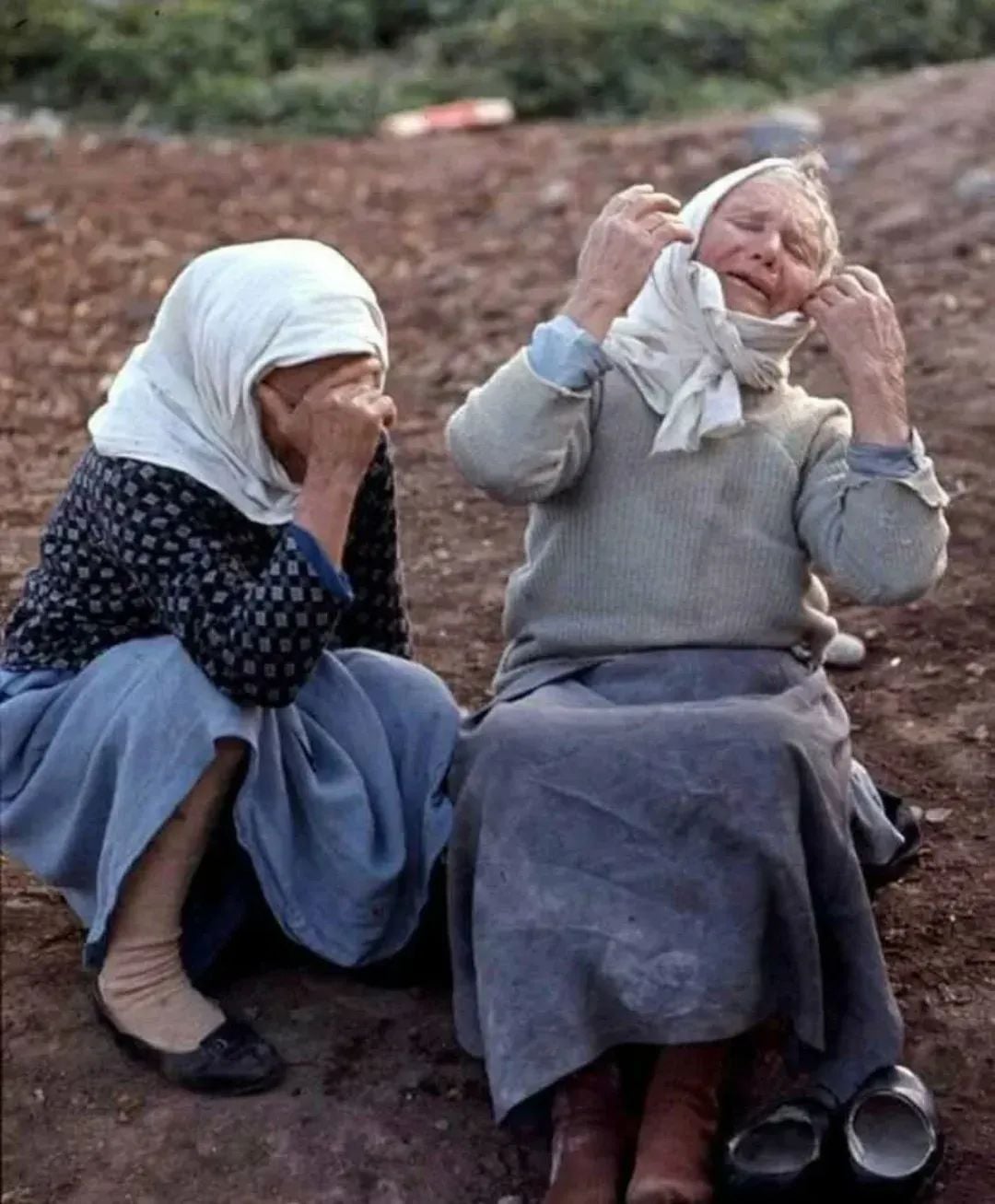
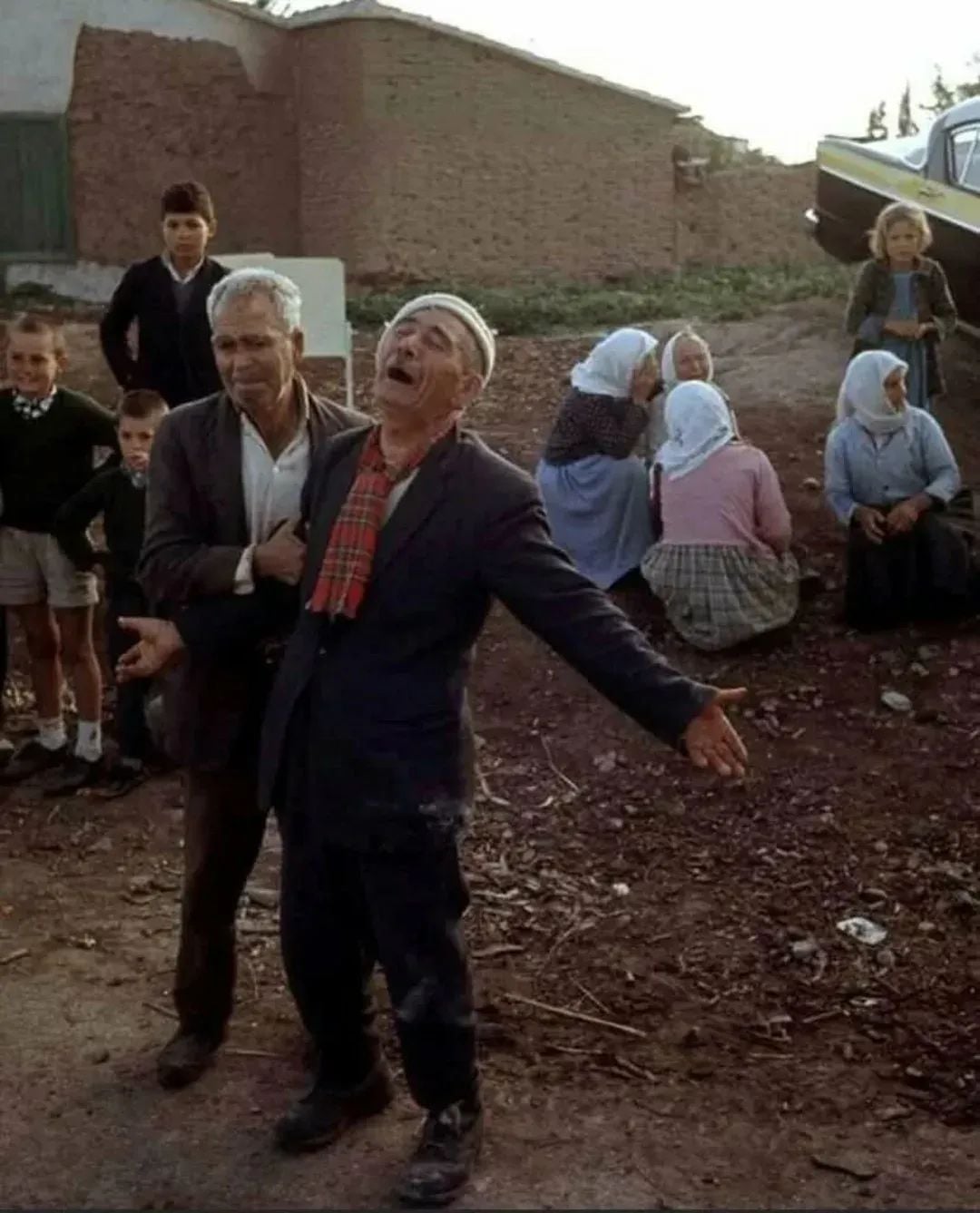
THE FIRST PHASE The first phase of the Cypriot Civil War is dated
here as December 21, 1963, to August 10, 1964. In the last days of
1963, the Republic collapsed after violence broke out in the streets
on December 21. Pro-enosis Greek Cypriot leaders were finally
relaunching what they saw as the redemptive armed struggle for union
with Greece. Entire Turkish Cypriot villages from across the island
were abandoned when they, or neighboring villages, were attacked.
Even when most Turkish Cypriots had retreated to armed enclaves
in early 1964, violence continued through siege warfare, economic
blockade, hostage taking, and firefights. Greek Cypriot assaults were
welcomed by TMT; they hoped the international community would
see the Turkish Cypriots as the victims, thereby strengthening their
argument for the geographical separation of the two communities
(although they downplayed the death toll for the benefit of morale).22
The nature of civil-war violence could generally be thought
to be more symmetrical than the scenes taking place in Cyprus in
1963/4 would suggest, but the outwardly one-sided combat is a
result of the Turkish Cypriots being a demographical minority
of 20 percent, their leaders expecting the violence in January
1964 but not in December 1963, and their secessionist aims. As
in most wars, ordinary people bore the cost, giving rise to an
element of ethnic cleansing within the civil war that was not
perpetrated solely by Greek Cypriot fighters but, perversely, by
the Turkish Cypriot community’s own leadership in the hopes
of gaining international sympathy. By August 10, 1964, about
600 Cypriots had lost their lives according to official counts,
mostly Turkish Cypriots, yet the real number could be as much
as twice that figure (which does not include foreign nationals).
In early 1963, the Greek Cypriot leadership set about showing
that the constitution was unworkable and that it favored the
demographical minority. TMT largely remained unchanged after
the signing of the Zurich-London Accords and independence,
but, with arms continuing to arrive in secret and only inferior arms
being turned in, EOKA splintered into several armed groups. One
was led by Vassos Lyssarides, a Panhellenist socialist and the per-
sonal physician of President Archbishop Makarios. Another was
more like a gang of thugs and was led by Nicos Sampson, a brutal
EOKA gunman. The largest, however, was under the command of
the Minister of the Interior Polycarpos Georgajis, who, with the
approval of President Archbishop Makarios, implemented a clan-
destine plan to abrogate the treaties and constitutional provisions
that prevented enosis and Greek Cypriot domination—the
so-called Akritas Plan. Akritas trained thousands of Greek Cypriots
in firearms use, while arms and materiel were smuggled from
Greece by far-right elements in the military and intelligence ser-
vices. By December 1963, the Greek Cypriots had fully trained
5,000 men, with another 5,000 in training.23
On November 30, 1963, Makarios proposed thirteen amend-
ments to the constitution that were aimed at removing or reducing
the Turkish Cypriot protections. The proposal was never intended
to succeed; its political utility lay in the pretext for more extreme
action that it created. On December 3, 1963, Akritas conducted a
false flag operation in Nicosia, blowing up the statue of the EOKA
hero Markos Drakos. Three days later, the Turkish Council of
Ministers in Ankara rejected the proposed constitutional changes.
On the same day, the Greek Chief of Staff advised the Greek
Defence Minister (who sent the report to the Foreign Minister) that
it was time for Greece to support Makarios’ proposals by providing
resources to the Akritas Organization, thereby supporting Greek
Cypriot forces against Turkish Cypriot forces. Meanwhile, the
Turkish Cypriot Vice President, Fazıl Küçük, promised to study and
reply to the proposed constitutional changes early in the new year.
Minister of the Interior Georgajis acted preemptively because
he did not want to wait for the Turkish Cypriots to establish their
defensive capability. On December 21 one of his paramilitary cells
initiated a conflict. It stopped a Turkish Cypriot couple on their
way home after a night out in Nicosia and demanded documenta-
tion, which the couple refused. When a Turkish Cypriot crowd
surrounded the patrol, it fired, and the couple were killed instantly.
Shooting spread throughout the capital after the funerals the follow-
ing night. Akritas members had cut telephone and telegraph lines to
the Turkish Cypriot areas and closed Nicosia international airport.
Sampson led his gang in a foray into the primarily Turkish Cypriot
suburb of Omorphita, indiscriminately killing Turkish Cypriots,
including women and children, and taking hundreds of hostages.
An American source puts the figure of casualties (mostly Turkish
Cypriots) at eighty-seven, including seventeen dead.25
Greek Cypriots encircled Nicosia’s Turkish Cypriot quarter,
which also included Armenian Cypriots, cutting off electricity,
water, and food supplies. Patrick estimated that over 100 Cypriots,
at least 79 of them Turkish, were killed in Nicosia alone during these
early days. The journalist Scott Gibbons claimed that he had talked
to the Turkish Cypriots: “They say about 300 of their people have
been killed, many of them women and children.” There were, he
continued, “dozens of dead and hundreds wounded … in houses
mortared and set on fire.” The Turkish Cypriot community was
clearly not prepared for the start of violence in December 1963
and Turkish Cypriot actions remained largely defensive, as the
British ambassador to Turkey advised London.
Source
https://www.reddit.com/gallery/1psil0r
Posted by Thickjuicynlong
6 Comments
>Greek Cypriot assaults were welcomed by TMT
Uhu stopped reading after this
What is this rubbish?
The fact that the state was paralysed because the tax bills could not pass in parliament due to the Turkish Cypriot MPs who did not vote for the undefined status of the municipalities.
Makarios did not have control over the armed groups operating on the Greek Cypriot side, which is why the Autumn episode of 1964 forced him to bring Grivas to Cyprus, because Giorgatzis was positive.
Makarios wanted to abolish the Guarantees and achieve the exercise of the right of self-determination by the UN General Assembly, which is why he opened the doors to the Third World, which had the majority of seats in the UN General Assembly, and to Khrushchev, so that NATO, which did not agree with the abolition of the guarantees, would not impose a peacekeeping force.
The fact that the first ethnic cleansing after Cyprus’ independence was directed against the Armenian Cypriots of the Armenian quarter of Nicosia in the old city, in the Arab Ahmet, where the TMT expelled them and confiscated their homes.
These are important points to note.
I came across this during my deep dive . Says its an official report of the incidents that took place.
Published by UK Gov
https://publications.parliament.uk/pa/cm200405/cmselect/cmfaff/113/113we45.htm#note107
These pictures shown above are they pictures of greek Cypriots or Turkish Cypriots or both?
Great read. Better from your previous two Posts and their wordings.
While it has a commentary narrative, the post seems to focus on the historical accuracy and the aspects of 63 and 64 that neither the propagandanists or the Cypriots talk about.
It would be an easier read if you made more spaces between paragraphs. It can be hard to read as it is and most will not read threw the end just by its structure.