
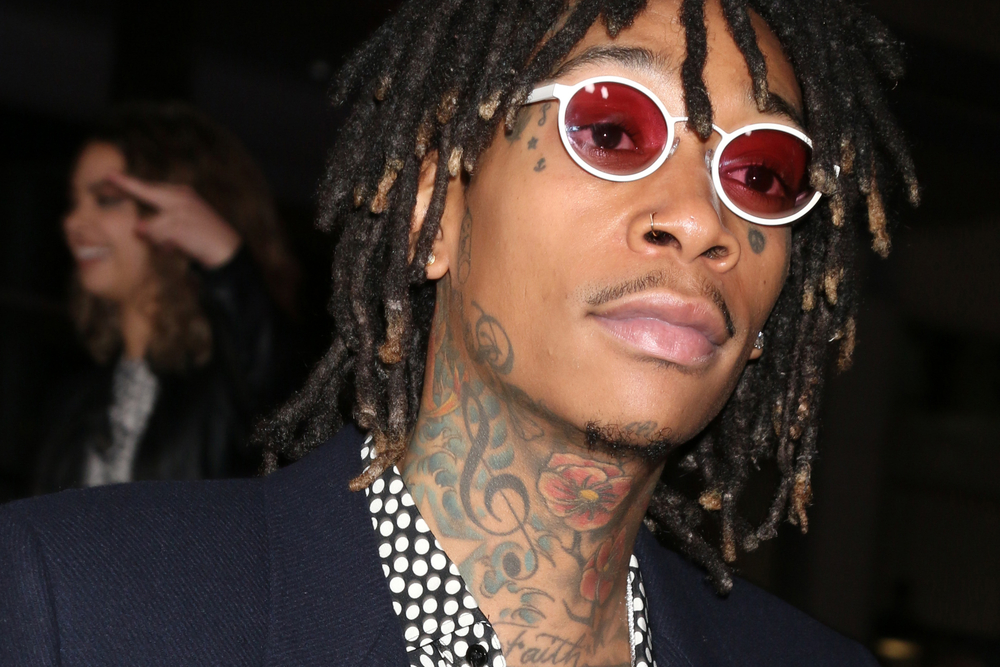
The rapper’s brush with international law could reshape his touring future
The hip-hop world watched with concern as one of its most recognizable figures confronted legal consequences thousands of miles from home. Wiz Khalifa, the Pittsburgh-born rapper known for chart-topping hits and his unabashed lifestyle, found himself entangled in an international legal matter that threatens to complicate his global career trajectory.
The incident unfolded during what should have been a routine festival appearance. Instead, it became a cautionary tale about the collision between American celebrity culture and foreign legal systems—a reminder that fame offers no immunity when crossing international borders.
The Festival That Changed Everything
The 2024 Beach Please! Festival in Romania marked a turning point for the rapper. Authorities detained Khalifa after discovering him in possession of substances classified under Romanian law as high-risk drugs intended for personal consumption. The charge, though straightforward in its language, carried weight that would reverberate long after the festival’s final performance.
Romanian prosecutors described the offense as possession without authorization, a violation that the country’s legal framework treats with notable severity. The case didn’t immediately resolve itself—instead, it lingered in the investigative phase, allowing Khalifa to continue his professional commitments while uncertainty loomed overhead.
For months, the matter remained unresolved, creating an uncomfortable limbo for the artist and his team. The extended timeline between arrest and sentencing provided temporary breathing room, yet the eventual outcome proved unavoidable.
A Nine-Month Sentence and Its Implications for Khalifa
When Romanian authorities finally delivered their verdict, the weight of international law became unmistakably clear. The court imposed a nine-month prison term, though immediate questions emerged about enforcement mechanisms. Would Romania pursue extradition? Could the sentence be served remotely? The answers remained frustratingly ambiguous.
Legal experts suggest that unless Romanian officials formally request extradition through diplomatic channels, Khalifa could potentially avoid serving time behind bars—provided he never returns to the country. This creates a peculiar situation where the rapper remains free to perform globally, except in the nation where the offense occurred.
The verdict underscores a fundamental reality of international travel: laws that seem relaxed or overlooked in one jurisdiction can carry serious consequences in another. What passes as commonplace behavior in certain American cities becomes criminal activity elsewhere, particularly in countries with stricter substance control policies.
Cultural Collision and Consequences
Khalifa‘s public persona has long been intertwined with marijuana consumption. The rapper has built part of his brand around this lifestyle, frequently appearing in public settings where cannabis use forms an integral part of the atmosphere. This openness, while accepted and even celebrated in many circles, proved incompatible with Romanian legal standards.
The disconnect between American hip-hop culture and Eastern European legal frameworks created the perfect storm. Khalifa, accustomed to environments where his habits faced minimal scrutiny, apparently underestimated the risks associated with international performance schedules.
The situation bears similarity to challenges faced by other prominent artists, including Snoop Dogg, who have navigated the complex terrain of maintaining their public images while traveling internationally. However, Khalifa’s case escalated beyond mere controversy into concrete legal ramifications.
What Comes Next
The immediate future appears to preclude any Romanian performances from Khalifa’s touring schedule. Fans in the region face disappointment, though the rapper’s team likely views this as a necessary sacrifice to preserve his freedom and career continuity.
The broader implications extend beyond one country’s borders. Other nations with similarly strict substance laws may scrutinize the rapper more carefully during future appearances. Promoters and booking agents must now factor legal risk assessment into their planning, potentially limiting opportunities in certain markets.
Lessons for the Industry
This case serves as an expensive education for artists who maintain international touring schedules. The assumption that celebrity status provides protection from local laws has been thoroughly debunked. Legal counsel, cultural research and heightened awareness of local regulations now become essential components of international performance planning.
The entertainment industry operates globally, but legal systems remain decidedly local. Khalifa’s experience demonstrates that success in one market doesn’t translate to immunity in another. Artists must adapt their behavior to match the legal landscape of each territory they enter, regardless of personal habits or brand identity.
As the dust settles on this Romanian chapter, Khalifa faces a career recalibration. His ability to navigate international waters just became significantly more complicated, requiring careful consideration before accepting any overseas engagement. The nine-month sentence, whether served or not, has already extracted its cost through reputation, opportunity and the stark reminder that borders matter—especially when the law is involved.
Source: Distractify